
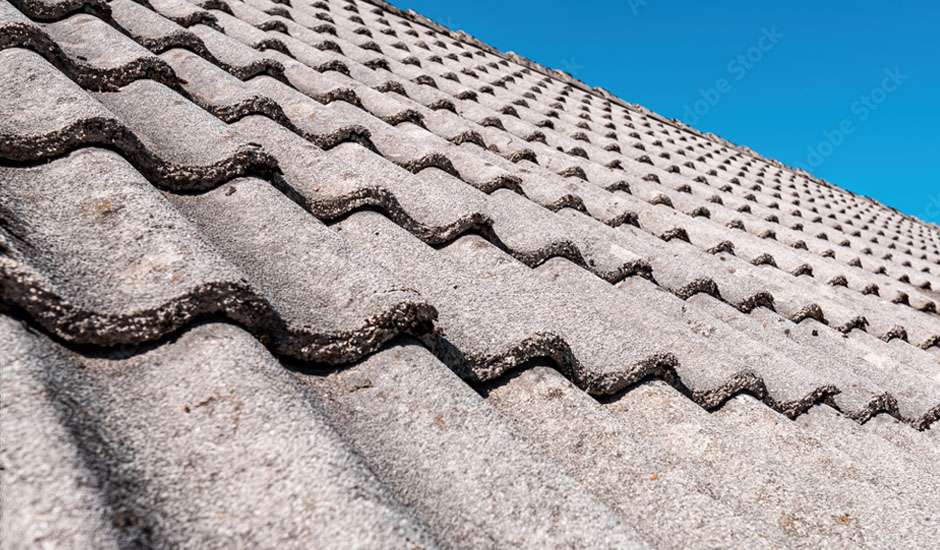
How Long Do Concrete Tile Roofs Last vs. Other Materials?
Probably one of the common concerns when determining the best roof material for your home is durability. After all, a roof is a major investment, so you want to know that you get the bang for your buck. Recently, one of the more popular options has been a concrete tile roof. But how does it stand beside other materials concerning durability? Continue reading to find out.
The Lifespan of Concrete Tile Roofs
First of all, concrete tile roofs boast extremely long life spans. If they’re well-installed and properly maintained, you can expect them to serve for anywhere between 50 to 100 years. On those grounds alone, it cements the position of concrete tiles among the longest-lived roofing materials available in the market today.
But what makes these concrete tiles so durable? It all lies in material. Concrete itself is really strong and resistant to a great number of elements that could wear other materials out. It can withstand strong winds and is resistant to fire. It neither rots nor gets eaten by insects, as with wooden materials.
Material costs for a concrete tile roof are between USD$ 2 and USD$ 4 per square foot, while installation costs range between USD$ 7 and USD$ 19 per square foot. That means you’re looking at approximately USD$ 10,500 to USD$ 28,500 for a 1,500-square-foot roof. While this is somewhat of an investment, it will do you good in the long run. (1)
But to really ensure a long-lasting concrete tile roof, premier-quality options such as Monier roof tiles are key. They’re designed to withstand the harshest of elements and can be made to suit the style you’ve got in mind.
Comparing Concrete Tiles to Other Roofing Materials
To really understand how concrete tile roofs measure up, let’s compare them to some other common roofing materials:
Asphalt Shingles
Composite asphalt shingles are the most popular roofing material in the US, used on nearly 90% of homes due to their affordability, durability, and ease of installation. However, their lifespan is much shorter than concrete tiles, typically lasting only up to 30 years. (2)
Wood Shingles
Wood shingles offer a classic, natural look that many homeowners love. They last a bit longer than asphalt, with a typical lifespan of 20 to 40 years. However, they require more maintenance and are more susceptible to fire and insect damage compared to concrete tiles.
Metal Roofs
Other durable options are metals, which last for 40-70 years. Though not as long as concrete tiles, metal roofs are lightweight and greatly resistant to weather damage. On the bright side, this material might just be the most energy-efficient. Because of their reflectivity of the sun’s UV and infrared radiation, metal roofs can reduce cooling costs by 10-25%. (3)
Clay Tiles
Clay tiles are perhaps the closest competitor to concrete tiles in terms of longevity. They can last 50 to 100+ years. However, clay tiles are often more expensive and can be more brittle than concrete.
Slate
If you’re looking for the ultimate in longevity, slate is hard to beat. A well-installed slate roof can last 75 to 200 years or even longer. However, slate is extremely heavy and expensive, making it impractical for many homes.
Factors That Affect the Lifespan of Concrete Tile Roofs
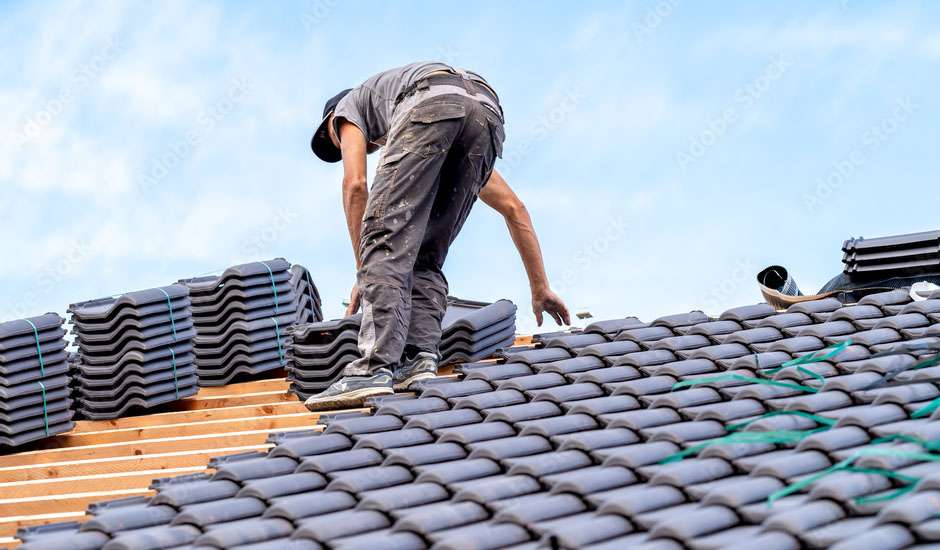
While concrete tile roofs are built to last, their actual lifespan can vary depending on several factors:
- Climate and weather conditions: Extreme weather can impact any roof’s lifespan. While concrete tiles are highly resistant to wind and rain, areas with frequent freeze-thaw cycles might see more wear and tear over time.
- Quality of installation: A roof is only as good as its installation. Poorly installed concrete tiles may not reach their full lifespan potential. So, it’s crucial to work with experienced professionals who know how to properly set these tiles in place.
- Maintenance and upkeep: Like any part of your home, a concrete tile roof needs some TLC to stay in top shape. Regular inspections and prompt repairs of any damaged tiles can help extend the life of your roof.
- Quality of the tiles: Not all concrete tiles are created equal. Higher quality tiles from reputable manufacturers are likely to last longer than cheaper alternatives.
With a little care and attention, your concrete tile roof can provide your home with reliable protection for years to come.
Is a Concrete Tile Roof Worth It?
Now, you might be thinking, “This all sounds great, but what about the cost?” The truth is that the upfront cost for a concrete tile roof is usually a bit higher compared to some of the other materials out there, such as asphalt shingles. But when factoring in the lifespan of the roof, at times, concrete tiles can be rather cost-effective in the long term.
Think of it in another way: should you replace your roof with an asphalt shingle roof, you may have to replace it two, even three, times within the same timeframe that one concrete tile roof would last. Once you calculate the cost of multiple replacements, suddenly that more expensive concrete tile roof starts looking like a pretty good deal!
Added to that, concrete tile roofs may provide other economic advantages. They work well as insulators, thereby reducing heating and cooling costs. They’re also fire-resistant, which may help lower home insurance costs in some regions.
Making a Decision
Concrete tile roofs have some really great advantages for many who want durability, long life, and good looks for their house. Yet, they also tend to be a bit heavy and sometimes a bit more involved than other materials to install.
If your home can handle the weight and you’re searching for longevity on the roof, then concrete tiles may be worth considering. Research further and get advice from roofing experts as to whether they’re suitable to cover your needs.
References
- “Concrete Tile Roofing (2024 Guide)”, Source: https://www.architecturaldigest.com/reviews/roofing/concrete-tile-roof
- “9 Types Of Roofing You Should Consider”, Source: https://www.forbes.com/home-improvement/roofing/types-of-roofing-materials/
- “Pros and cons of metal roofs for your home”, Source: https://www.statefarm.com/simple-insights/residence/metal-roof-pros-and-cons