
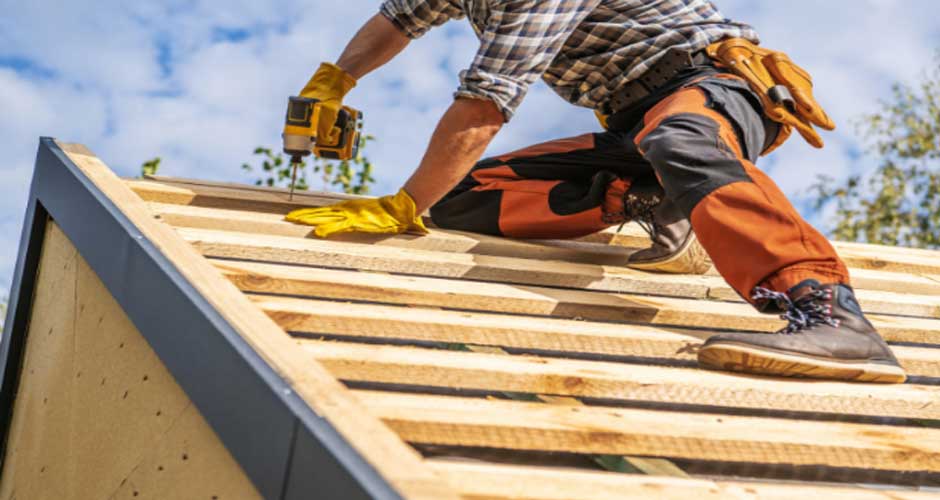
6 Things to Consider When Replacing Your Roof
Replacing your roof is a significant investment, and it’s essential to approach the project with a clear understanding of what’s involved. From selecting the right materials to considering the costs and finding a reputable roofing contractor in Corvallis, there are several factors to keep in mind. This guide will help you navigate the process and ensure your new roof meets your needs and expectations.
1. Material Options: Which is Right for You?
When it comes to roofing materials, there are numerous options, each with its own set of advantages and disadvantages, which is why consulting experienced residential roofers in Colorado can help you make the best choice for your home. Your choice will impact not only the look of your home but also the longevity and durability of the roof. Here are some popular materials to consider:
Asphalt Shingles
Asphalt shingles are the most common roofing material due to their affordability and ease of installation. They come in various colors and styles, offering versatility in design. Asphalt shingles typically last 15-30 years, depending on the quality and local climate.
Metal Roofing
Metal roofs are known for their durability and longevity, often lasting 40-70 years. They are resistant to extreme weather conditions, including high winds and heavy snow. Metal roofing is also energy-efficient, reflecting heat away from the home and potentially lowering cooling costs.
Wood Shingles and Shakes
Wood shingles and shakes provide a natural, rustic look that can enhance the aesthetic appeal of certain home styles. They usually last around 30 years but require regular maintenance to prevent issues like mold and rot. Cedar is a popular choice due to its resistance to insects and decay.
Slate Roofing
Slate is a premium roofing material known for its elegance and exceptional longevity, often lasting over 100 years. It’s fire-resistant and environmentally friendly. However, slate is heavy and requires a robust structural support system, and it can be costly to install and repair.
Synthetic Roofing Materials
Synthetic roofing materials, such as rubber, plastic, or polymer composites, mimic the appearance of natural materials like slate or wood but are often more affordable and easier to install. They typically offer good durability and can last 20-50 years.
2. Cost Considerations: Budgeting for Your New Roof
The cost of a roof replacement varies widely based on factors like material choice, roof size, and labor rates in your area. It’s crucial to budget accurately to avoid unexpected expenses. Here are some key cost components to consider:
Material Costs
Different materials come with different price tags. Asphalt shingles are generally the most affordable, while slate and metal roofing can be significantly more expensive. Synthetic materials fall somewhere in between.
Labor Costs
Labor costs can account for a significant portion of the total expense. Roofers typically charge per square (a 10×10 foot area), and rates vary by region and the complexity of the job. Ensure you get multiple quotes to compare prices.
Additional Expenses
Don’t forget to factor in the cost of removing and disposing of the old roof, which can add a few thousand dollars to the project. Also, consider potential repairs to the underlying structure if any damage is found during the removal process.
3. Timing and Weather: When to Schedule Your Roof Replacement
The timing of your roof replacement can impact both the cost and the quality of the installation. Roofing contractors are usually busiest during the late spring through early fall when the weather is most favorable. Here’s what you need to know about scheduling:
Ideal Weather Conditions
Roofing work requires dry conditions and moderate temperatures. Too hot, and the shingles might not seal properly; too cold, and the materials can become brittle and difficult to work with. Aim for mild, dry weather to ensure optimal installation.
Off-Season Benefits
Scheduling your roof replacement during the off-season (late fall or early spring) can sometimes result in lower costs, as contractors may offer discounts to fill their schedules. However, be mindful of weather conditions that could delay the project.
4. Choosing a Contractor: Finding a Reputable Professional
Selecting a reputable roofing contractor is crucial to the success of your roof replacement. A professional contractor will ensure quality workmanship and adherence to building codes. Here are some tips for finding the right contractor:
Research and Referrals
Start by asking friends, family, and neighbors for recommendations. Online reviews and ratings can also provide insight into a contractor’s reputation. Look for contractors with positive feedback and a history of satisfied customers.
Verify Credentials
Ensure the contractor is licensed, insured, and bonded. Licensing requirements vary by state, so check your local regulations. Insurance protects you from liability in case of accidents, and bonding provides financial protection if the contractor fails to complete the job.
Get Multiple Quotes
Obtain quotes from at least three different contractors to compare prices and services. Be wary of significantly low bids, as they may indicate subpar materials or workmanship. A detailed, written estimate should outline all costs and services included.
5. Warranty and Maintenance: Protecting Your Investment
A new roof is a significant investment, and it’s essential to protect it with a comprehensive warranty and regular maintenance. Here’s what to look for:
Manufacturer’s Warranty
Most roofing materials come with a manufacturer’s warranty that covers defects in the materials. The length and terms of the warranty vary by product, so read the fine print to understand what’s covered and for how long.
Workmanship Warranty
A workmanship warranty covers issues arising from the installation process. Reputable contractors typically offer a workmanship warranty in addition to the manufacturer’s warranty. Ensure you get this in writing and understand the terms.
Regular Maintenance
To extend the life of your new roof, perform regular maintenance. This includes inspecting the roof annually for damage, cleaning gutters to prevent water buildup, and removing debris like leaves and branches. Address minor issues promptly to prevent more significant problems down the line.
6. Local Building Codes and Permits: Ensuring Compliance
Roof replacements must comply with local building codes and regulations, which can vary significantly by location. It’s essential to ensure your project meets these requirements to avoid fines or issues with home insurance.
Understanding Local Codes
Local building codes dictate standards for roofing materials, installation methods, and safety practices. Familiarize yourself with these codes or ask your contractor to explain how they apply to your project.
Obtaining Permits
Most municipalities require a permit for roof replacements. The process for obtaining a permit can vary, but it generally involves submitting an application and paying a fee. Your contractor should handle this process, but confirm that the necessary permits are secured before work begins.
Inspection Requirements
Once the roof replacement is complete, a building inspector may need to review the work to ensure it meets code requirements. This inspection provides an added layer of protection, confirming that the job was done correctly and safely.
Conclusion: Making an Informed Decision
Replacing your roof is a major project that requires careful planning and consideration. By understanding the different material options, budgeting accurately, choosing the right time to schedule the work, selecting a reputable contractor, securing warranties, and ensuring compliance with local codes, you can make an informed decision that will protect your home for years to come.
Take the time to research and prepare, and don’t hesitate to seek professional advice when needed. A well-informed approach will help you navigate the complexities of roof replacement and achieve a successful outcome.