
The Role of Hardscaping in Enhancing Garden Landscaping
A well-designed garden is more than just plants and greenery; it incorporates various elements that create structure, functionality, and aesthetic appeal, which is why many homeowners invest in hardscapes knoxville tn. Hardscaping is crucial in achieving this balance by integrating non-living features such as walkways, patios, retaining walls, and decorative stonework into the landscape. These elements add dimension and practicality, making outdoor spaces more enjoyable and easier to maintain. We will explore how hardscaping enhances garden landscaping by improving accessibility, defining outdoor areas, managing drainage, and adding long-lasting beauty. When thoughtfully planned, hardscaping elements complement the surrounding greenery, creating a harmonious blend of nature and structure.
Ways hardscaping enhances garden landscaping
- Creating Defined Spaces for Functionality
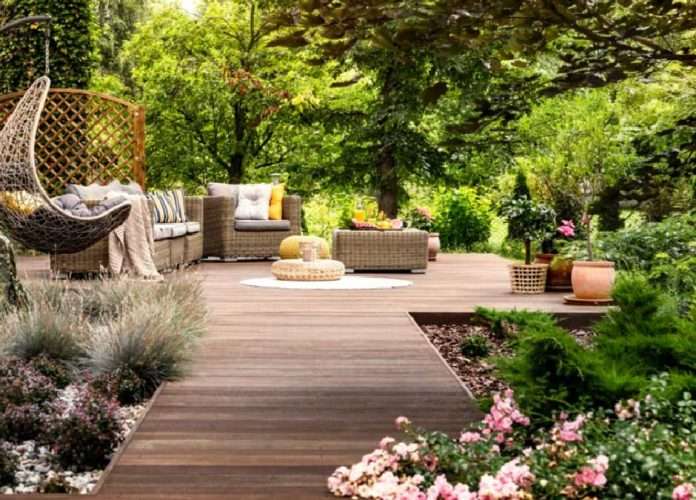
A garden without defined spaces can feel unorganized, making it difficult to enjoy the outdoor area fully. Hardscaping provides clear distinctions between different zones, transforming an open yard into a more functional and inviting space. Patios, decks, and pathways help segment relaxation, dining, or gardening areas, allowing each section to serve a unique purpose. This organization makes outdoor living more practical, ensuring that all parts of the landscape are utilized efficiently.
Using hardscape elements such as retaining walls or stone borders can also create elevation changes that add visual interest. A multi-level patio or raised garden bed enhances aesthetics and improves accessibility. Additionally, hardscaping makes it easier to transition between spaces, such as connecting a deck to a garden with a well-placed set of steps or a paved walkway. For those seeking professional assistance in redesigning their outdoor space, searching for a “landscaping garden near me” can provide access to skilled professionals who can bring creative hardscaping ideas to life. By incorporating these structures, the garden becomes more than just a collection of plants; it turns into an outdoor extension of the home.
- Improving Accessibility and Ease of Movement
A well-planned landscape should be easy to navigate, and hardscaping is essential in ensuring smooth movement throughout the garden. Pathways of stone, gravel, or brick create a clear route through green spaces, preventing foot traffic from damaging delicate plants and grass. These walkways preserve the garden’s integrity and make exploring more enjoyable.
Incorporating hardscape features like stepping stones, ramps, and wide pathways allows for greater accessibility, especially for individuals with mobility challenges. A well-designed hardscape ensures that all family members and visitors can move around comfortably, regardless of physical ability. In addition, non-slip surfaces and proper lighting can enhance safety, reducing the risk of trips and falls in wet or uneven areas. Hardscaping contributes to a garden’s convenience and longevity by providing durable, low-maintenance paths that withstand the elements.
- Enhancing Drainage and Soil Erosion Control
Hardscaping not only improves the appearance of a garden but also serves a functional purpose in managing water flow and preventing erosion. Properly installed retaining walls, permeable pavers, and gravel pathways help direct rainwater away from vulnerable areas, protecting plant beds and soil from excess moisture buildup. Heavy rains can wash away soil without these elements, leading to uneven terrain and weakened plant growth.
By integrating drainage solutions such as French drains or strategically placed stone channels, water can be redirected in a controlled manner, preventing pooling and runoff issues. Permeable pavers allow water to filter through the ground rather than running off the surface, reduce the risk of flooding and help maintain healthy soil. These hardscape features make the garden more resilient, preserving its structure and ensuring plants receive the appropriate amount of water without being overwhelmed by excess moisture.
- Increasing Durability and Reducing Maintenance
Unlike plants and grass, hardscape features require minimal maintenance, making them a long-lasting solution for enhancing outdoor spaces. Stone patios, brick pathways, and concrete retaining walls withstand weather changes without requiring frequent upkeep. This durability makes hardscaping an attractive option for homeowners who want to enjoy their gardens without spending excessive time on maintenance.
Hardscape elements also help reduce lawn maintenance by minimizing the grass that needs mowing, watering, and fertilizing. A well-designed patio or decorative rock bed eliminates the need for extensive lawn care while contributing to a visually appealing landscape. Additionally, hardscaping prevents soil compaction caused by foot traffic, ensuring that surrounding plant life remains healthy. By incorporating these low-maintenance features, gardens become more manageable, allowing homeowners to focus on enjoyment rather than upkeep.
- Enhancing Aesthetic Appeal with Textures and Materials
A garden’s visual appeal is not limited to plants alone; hardscaping introduces a variety of textures, colors, and materials that enhance the overall aesthetic. Whether incorporating natural stone, decorative bricks, or wooden structures, these elements add contrast and depth to the landscape. The choice of materials can influence the garden’s atmosphere, from a rustic retreat with weathered wood and gravel paths to a modern oasis with sleek concrete and geometric designs.
Combining hard and soft elements creates a dynamic landscape that feels balanced and intentional. For example, a stone pathway winding through a lush flower garden or a wooden pergola covered in climbing vines creates a striking contrast between man-made structures and natural beauty. Hardscaping also allows for creative focal points, such as fountains, fire pits, or sculptures, that add personality and charm to the outdoor space. Blending different textures and materials makes gardens visually rich and inviting.
- Increasing Property Value and Curb Appeal
Hardscaping is an investment that enhances a property’s functionality and value. A well-designed landscape with defined walkways, patios, and outdoor living areas makes a home more attractive to potential buyers. Many homebuyers look for properties with well-maintained outdoor spaces that offer additional usability beyond the interior living area.
A garden with hardscaping elements creates an inviting first impression, improving curb appeal and setting the home apart from others in the neighborhood. Features such as a stone entryway, decorative retaining walls, or a paved driveway contribute to a polished and well-maintained appearance. These enhancements make the property more enjoyable for current homeowners and increase its market appeal should they decide to sell in the future.
- Combining Hardscaping with Greenery for a Natural Balance
While hardscaping provides structure and durability, it is essential to integrate it harmoniously with greenery to maintain a natural aesthetic. Too much hardscape can make a garden feel rigid and uninviting, while too little structure can lead to a disorganized appearance. Finding the right balance between plant life and structural elements is key to creating a cohesive landscape.
Pairing hardscape features with soft landscaping elements, such as flower beds, shrubs, or vertical gardens, helps maintain an organic feel. A stone walkway with colorful flowers or a pergola covered in cascading vines creates an inviting blend of nature and structure. Water features such as ponds or fountains further enhance the connection between hard and soft elements, bringing movement and tranquility to the outdoor space. When designed thoughtfully, hardscaping and landscaping create a visually appealing and functional garden.
Hardscaping enhances garden landscaping by providing structure, functionality, and long-term durability. Defined spaces improve usability, while pathways enhance accessibility and movement throughout the garden. Drainage solutions and erosion control measures protect plant life, ensuring a healthy and sustainable outdoor environment. Hardscaping also reduces maintenance, making it easier for homeowners to enjoy their gardens without excessive upkeep. Aesthetically, different materials and textures add depth and character, creating a visually appealing landscape that blends seamlessly with greenery. Beyond aesthetics, well-planned hardscaping increases property value and curb appeal, making it a worthwhile investment. When combined with natural elements, hardscaping transforms outdoor spaces into inviting, functional, and enduring environments that can be enjoyed for years.