
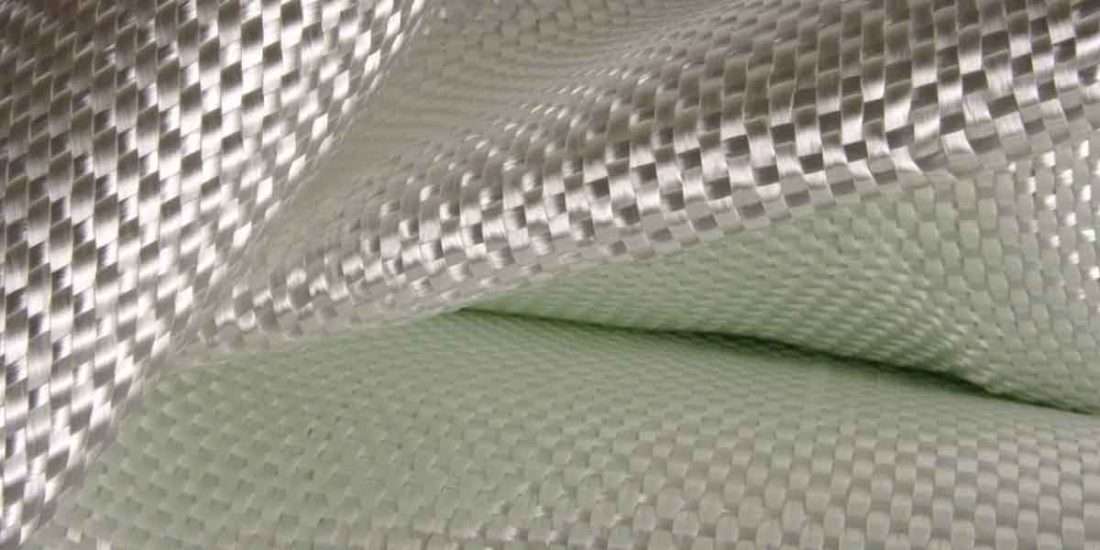
Why Fabric Fiberglass Is a Smart Choice for Waterproofing and Leak Prevention
Fabric fiberglass has emerged as one of the most dependable materials in current waterproofing and leak prevention because it can provide strength, flexibility and long term performance in a system. The same is the situation with property owners, builders and maintenance professionals; they are all confronted with the same dilemma of ensuring that moisture does not harm the building and this dilemma is ever-increasing due to the age of the building and because weather patterns have become less predictable. This material is made by affixing layered fabric with resin creating a formidable but flexible barrier that covers surfaces more effectively than the traditional coating can. Its increasing popularity is not merely a trend but an indication of its performance in the real world environment.
Material Properties
Among the most important factors that make this material outstanding is the fact that it balances rigidity and flexibility enabling it to allow structural movement without cracking. When used properly, the fabric layers into one reinforced surface which can not be torn, punctured, or water can penetrate. This is of particular essence in the parts of the structure like the roofs, foundations, and basements where the surfaces can be pushed or pulled by change in temperature or change in load.
The other property of importance is how it interacts with resins to form a smooth membrane. The bonded layer is incorporated into the underlying structure, not applied to it, making it upscale on top of a structure, unlike the simple surface-coating, which is applied over it. The tight connection provides a more reliable seal, which prevents a water intrusion to find secret routes via weak areas. With time, this relationship does not change a lot, and this is the biggest benefit in the case of long term leak prevention.
Water Resistance
Waterproofing fabrics fiberglass is water resistant because of the manner in which the fibers are interlocked using liquid resins to create a solid shield. After being cured this layer is so impervious to the ingress of water, that the heavy rain or standing water will not penetrate it. This is particularly effective in flat roofs, decks or underground walls where moisture may accumulate or collect over time.
In addition to the mere resistance, this barrier also does not allow the migration of moisture through minute cracks which can hardly be seen by the naked eye. Water can be very tenacious and in fact, it can create a path out even through the tiniest holes. This material stops those concealed routes by coating surfaces with a continuous reinforced layer and therefore prevents the inside of a building from being damp and unprotected.
Durability
Another significant benefit of this material that could make it an intelligent choice in terms of waterproofing undertakings is durability. It becomes hard enough to bear foot traffic, impact and harsh weather without losing its protective properties once cured. This strength translates to less repairs during the time frame and high possibility of avoiding unexpected leakages in the event that the surface is spoiled.
It is also impervious to other types of destruction like rot, rust and ultraviolet destruction which easily undermine other types of waterproofing products. The reinforced layer does not wear off even after years of exposure and keeps on doing its task. This durability is a major factor that makes numerous professionals resort to use this type of design in critical sections of a building.
Installation Process
Another field where this material will be useful is the application process. It can be placed on a large variety of surfaces such as concrete, wood, and metal, so it can be used in both new construction and in repairing works. The canvas is placed in place, and covered with resin that enables it to fit into the shape of the surface beneath.
Its capacity to bend to complicated designs also implies the possibility of bending it around corners, around drains and around joints without forming weak areas. When the resin dries up the whole surface turns into one continuous seal as opposed to a mass of overlapping joints. Part of this smooth surface will go a long way to ensure there is no leakage to begin with.
Maintenance Needs
Maintenance once installed is also not high as compared to most other waterproofing processes. The hardened surface is not hard to check and any signs of wear and damage are not hard to notice before they turn into serious issues. This enables property owners to solve minor inconveniences at an early age other than experiencing the expensive water damages in the future.
They are also easy to repair whenever they are needed. Fabric and resin may be applied to the surface of old material, and in this way complete protection to a system is regained without dismantling the whole system. This is one of the capabilities that it has to renew and strengthen the barrier, which contributes to its overall value and makes it a viable option in the case of a long term building care.
Conformability To Structures
The other benefit of this system is the compatibility it has with other building materials. It may be used together with other elements like fiberglass insulation without any chemical reaction or performance problems. This fit guarantees that waterproofing does not affect thermal performance or stability.
It is also applicable in retrofitting older buildings when the substrates are uneven or worn off due to old age since it bonds to most surfaces. Fabric fiberglass does not require an exceptionally smooth base, but rather it is made to fit the available conditions. It becomes simpler to modernize the old facilities with new moisture barriers.
Cost Effectiveness
Although the initial outlay can be greater than some cheap coatings, the long term benefits can be very large. The low cost of maintenance and durability translates to fewer repair procedures, less idle time and the possibility of costly water based damage is minimal. These savings may be huge over the lifespan of a building.
Moreover, this waterproofing solution has a longer life cycle, which means that one does not have to apply it too often. The benefits which are financial in nature are easily evident when analyzed as a long term investment as opposed to a short term remedy. This trade-off in terms of initial expenses and future performance is what makes it a desirable alternative to most projects.
Environmental Considerations
Another factor that is currently being put into consideration by many builders and property owners is the environmental impact. Since such a system takes such a long time to wear out, it means that the quantity of material that is replaced and disposed of gradually is reduced. The implications of the reduced replacements are that there is less waste and reduced use of resources in the production of new products.
Certain resin systems may also be made less harmful in terms of emissions hence they are less harmful to apply and improve indoor air quality. Together with the long construction period of the reinforced layer, it helps to make the process of building maintenance and protection more sustainable.
Conclusion
The identification of the appropriate waterproofing solution is critical in defending any structure against the expensive consequences of leakage and damage by moisture. The fabric fiberglass is very strong and flexible and it has a long term reliability thus has a lot of protection that most of the traditional methods cannot offer. It conforms to surfaces of various types, it wears out, and forms a smooth layer that ensures that water remains where it belongs.
All these taken in combination, one can understand why this material still continues to earn its share of trust in home and business environments. Whether it is easier maintenance or better durability and environmental advantages, it offers a balance of it all to any person that is serious about ensuring that their property remains dry and safe.