
Small Space Food Production: Maximizing Harvests in Limited Areas
Limited space doesn’t have to mean limited food production. Plenty of people grow meaningful amounts of fresh food in apartments, on balconies, in small yards, or even indoors with nothing but a sunny window or grow lights. The challenge isn’t whether it’s possible—it clearly is—but rather figuring out which approaches actually work in confined spaces and which ones just waste time and money.
The traditional backyard garden model doesn’t translate well to small spaces. Someone with a tiny balcony can’t just scale down a sprawling vegetable patch and expect proportional results. Small space growing requires different thinking about what to grow, how to grow it, and what “success” actually looks like. The methods that work best in limited areas often look nothing like conventional gardening.
Understanding these differences helps avoid the disappointment of attempting traditional gardening techniques in spaces where they can’t possibly work. Small space food production succeeds when it embraces methods specifically suited to limited square footage rather than trying to miniaturize approaches designed for large gardens.
Vertical Growing Changes Everything
The most obvious way to maximize limited space is growing up instead of out. Vertical growing can multiply productive area dramatically—a four-square-foot footprint that goes six feet tall provides far more growing space than the same four square feet of horizontal garden bed.
Trellises, wall-mounted planters, hanging systems, and tower gardens all exploit vertical space that would otherwise go unused. Vining plants that naturally grow upward—tomatoes, cucumbers, beans, peas—work particularly well in vertical systems. Even plants that don’t naturally climb can be trained or grown in stacked arrangements that use height efficiently.
The catch is that vertical systems need more attention than ground-level gardens. They dry out faster, require more secure mounting, and can be harder to maintain at height. But for someone with five square feet of balcony space trying to grow real amounts of food, going vertical is often the only viable approach.
Hydroponic tower systems take this concept further by stacking many plants in a single vertical column with integrated water and nutrient delivery. These towers can fit dozens of plants in a footprint smaller than a single tomato plant would occupy in soil. For urban growers dealing with severe space constraints, exploring the Best Hydroponic System options designed specifically for vertical growing can transform what’s possible in limited areas.
Container Growing With Strategy
Containers offer flexibility that in-ground gardens can’t match, especially in rentals or spaces with poor soil. But successful container growing in small spaces requires strategic choices about what gets grown and how containers get arranged.
Size matters more than people expect. A tomato plant in a two-gallon pot will struggle and produce poorly. The same plant in a ten-gallon container can produce prolifically. Undersized containers are probably the most common mistake in small space growing—trying to cram too many plants into containers that can’t support adequate root systems.
The solution often means growing fewer plants in appropriately sized containers rather than many plants in containers too small to support them. Three properly sized tomato plants will produce more than eight undersized ones, while taking up less space and requiring less maintenance.
Container selection also affects results. Self-watering containers reduce maintenance and water waste. Dark containers heat up in sun and can damage roots. Drainage holes are non-negotiable. These details matter more in small spaces where every container needs to pull its weight in terms of production.
Choosing High-Value Crops
Not all vegetables make sense for small space growing. Some take too long to mature, produce too little for the space they occupy, or simply aren’t practical in containers. Strategic crop selection makes the difference between meaningful harvests and disappointing yields.
Leafy greens and herbs provide excellent returns in small spaces. They mature quickly, many can be harvested continuously, and they produce meaningful amounts from small plantings. A few square feet of basil, lettuce, arugula, or chard can supply a household’s needs throughout the growing season.
Cherry tomatoes produce heavily from single plants that can be grown in large containers or vertical systems. Bush varieties of cucumbers, peppers, and beans work better than sprawling types. Radishes mature in weeks and can be succession planted for continuous harvest.
What generally doesn’t work well in small spaces: corn (too much space for too little return), pumpkins and winter squash (massive plants), large melons (similar problem), and most root vegetables that need deep soil and yield relatively little per square foot.
The calculation involves space occupied versus harvest volume versus cost savings. Growing herbs makes tremendous financial sense because store-bought herbs are expensive and home-grown production is easy. Growing potatoes in containers makes less sense because they’re cheap at stores and need considerable space for modest yields.
Intensive Planting Techniques
Small spaces demand more from every square inch. Intensive planting methods—square foot gardening, intercropping, succession planting—maximize production from limited areas by eliminating wasted space and keeping gardens continuously productive.
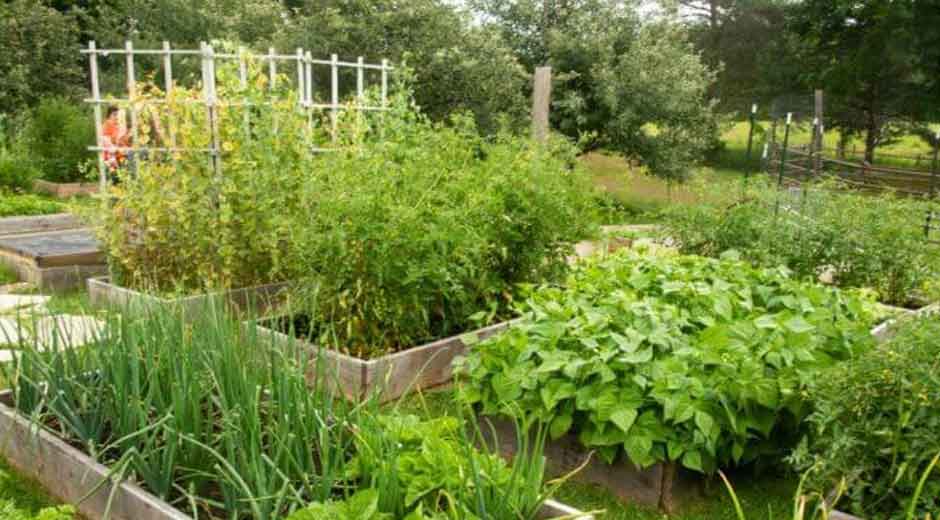
Square foot gardening divides space into one-foot squares and plants each square densely with appropriate crops. Instead of rows with paths between them, plants fill available space based on mature size. A square foot might hold sixteen radishes, nine spinach plants, four lettuce heads, or one tomato—whatever fits appropriately.
Intercropping combines plants with different growth habits and timing in the same space. Fast-maturing crops like lettuce grow between slower crops like tomatoes, getting harvested before the larger plants need the space. Shade-tolerant crops grow under taller plants, utilizing space that would otherwise be unproductive.
Succession planting means seeding new crops every few weeks rather than all at once. This provides continuous harvest instead of getting overwhelmed with produce all at once followed by nothing. For small space growers, succession planting also means always having something productive growing rather than empty containers waiting for the next season.
Indoor Growing Realities
Indoor food production expands possibilities for people with no outdoor space at all, but it comes with limitations that need honest acknowledgment. Growing indoors requires artificial lighting for most food crops, which means upfront costs and ongoing electricity use. The plants that work best indoors are also limited to those that don’t need intense light or produce large root systems.
Leafy greens, herbs, and microgreens work well indoors. Small fruiting plants like cherry tomatoes or peppers can succeed with adequate lighting. Most root vegetables, squash, melons, and large plants won’t produce well indoors in typical home setups.
The economics of indoor growing depend heavily on electricity costs and what’s being grown. Herbs that cost $3 per tiny package at stores can justify grow light electricity. Lettuce that costs $2 per head probably doesn’t, at least not financially—though there’s value in ultra-fresh greens that can’t be bought.
Indoor growing makes most sense for expensive crops that are consumed regularly and that genuinely grow well under artificial light. Trying to replicate an outdoor garden indoors usually leads to disappointing results and high energy bills.
Time and Maintenance Considerations
Small space gardens can actually require more intensive maintenance than larger gardens. Container plants need more frequent watering than in-ground plants. Vertical systems need checking and adjustment. Intensive planting means less room for error when pests or diseases appear.
The time commitment varies by method. A few self-watering containers of herbs might need ten minutes weekly. A hydroponic tower system might need daily checks and weekly nutrient management. Multiple containers with various crops could need thirty minutes daily during peak growing season.
Being realistic about available time prevents overcommitting to systems that can’t be maintained consistently. A small, well-maintained garden produces far more than an ambitious setup that gets neglected. Starting small and expanding as skills develop makes more sense than installing elaborate systems that quickly become burdensome.
What Success Actually Looks Like
Success in small space food production rarely means complete self-sufficiency. The goal is more often supplementing purchased food with fresh, high-value crops that justify the effort. Fresh herbs year-round, salad greens, cherry tomatoes, peppers—these additions meaningfully improve meals without requiring massive space or effort.
Setting appropriate expectations prevents disappointment. A balcony garden won’t eliminate grocery shopping. It can provide fresh additions that improve food quality and offset some grocery costs while offering the satisfaction of growing food at home. That’s valuable even if it’s not total food independence.
The best small space food production systems are those that match available space, time, and goals realistically. Whether that means a few containers of herbs, a vertical hydroponic tower, or an intensive square-foot garden depends entirely on individual circumstances. But all these approaches can produce meaningful results when properly matched to the space and consistently maintained.