
Top Fire Rated Building Materials for High-Performance Construction
Fire safety is no longer a secondary consideration in modern construction. With stricter regulations, increased urban density, and growing awareness of building resilience, selecting the right fire-rated materials has become essential for architects, builders, and developers.
High-performance construction today demands materials that not only resist fire but also deliver durability, sustainability, and structural integrity.
Today, we explore the top fire resistant building materials in Melbourne used in contemporary construction and how they contribute to safer, more efficient buildings.
What Are Fire-Rated Building Materials?
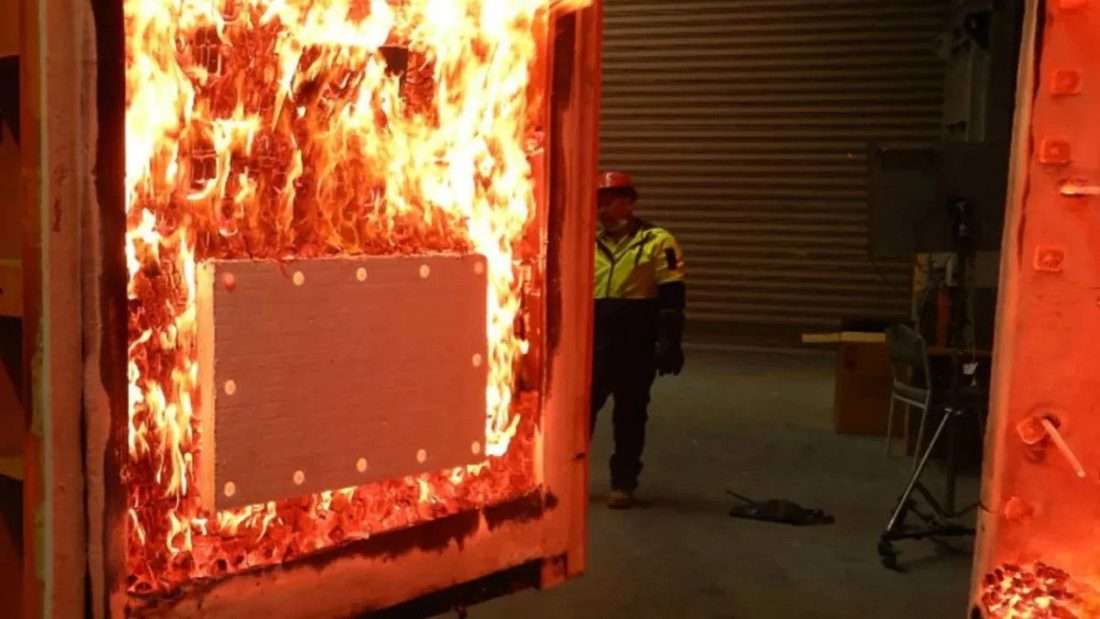
Fire-rated building materials are designed to withstand high temperatures and slow the spread of flames, smoke, and heat. These materials are tested under stringent standards to determine their fire resistance levels, often measured in minutes or hours (for example, 60, 90, or 120 minutes of resistance).
In Australia, materials are evaluated under standards such as AS1530.4, ensuring they meet required Fire Resistance Levels (FRL) for structural integrity, insulation, and integrity during a fire event.
1. Magnesium Oxide (MgO) Boards
Magnesium Oxide (MgO) boards have emerged as one of the most advanced fire resistant building materials in modern construction. These boards are non-combustible and engineered to perform under extreme temperatures.
Key Benefits:
- High fire resistance with minimal flame spread.
- Resistant to mould, bacteria, and termites.
- Water-resistant and dimensionally stable.
- Lightweight yet structurally strong.
MgO boards are widely used in walls, ceilings, flooring systems, and external cladding. Their composition of non-organic minerals and fibre mesh enhances durability while maintaining fire resistance.
Additionally, they are considered environmentally friendly due to lower carbon emissions during manufacturing and the absence of toxic substances like asbestos or formaldehyde.
2. Fire-Resistant Plasterboard
Fire-resistant plasterboard has been a staple in construction for decades, particularly for internal wall and ceiling systems. It is typically made from gypsum with additives that improve its fire performance.
Key Benefits:
- Cost-effective and widely available.
- Easy to install and finish.
- Suitable for residential and light commercial use.
However, traditional plasterboard often requires multiple layers to achieve higher fire ratings, especially in demanding applications. While it offers basic fire protection, it may not deliver the same level of durability or multi-performance benefits as newer materials.
3. Fire-Rated Cladding Systems
Fire-rated cladding plays a crucial role in protecting the external envelope of a building. These systems are designed to prevent fire from spreading across façades, particularly in high-rise and industrial structures.
Key Benefits:
- Enhanced fire resistance for exterior walls
- Suitable for boundary walls and industrial buildings
- Can achieve fire ratings up to 120 minutes
Modern cladding systems often combine fire resistant boards with steel or other non-combustible materials to create a complete fire-rated assembly.
4. Fire-Resistant Flooring and Decking
Flooring systems are often overlooked in fire safety planning, but they play a critical role in maintaining structural integrity during a fire.
Key Benefits:
- Prevent fire penetration between floors.
- Maintain load-bearing capacity.
- Suitable for residential, commercial, and industrial applications.
Fire-resistant flooring materials include specialised boards and composite systems designed to withstand high temperatures while maintaining strength and stability. These systems are commonly used in multi-storey buildings and high-risk environments.
5. Cementitious Fireproofing Materials
Cement-based fireproofing materials have been used for decades to protect structural steel and concrete elements. These materials are typically applied as coatings or sprays.
Key Benefits:
- High resistance to extreme heat.
- Cost-effective for large-scale projects.
- Suitable for structural fire protection.
Lightweight cementitious materials, often incorporating vermiculite, provide a balance between performance and weight, making them more practical than traditional dense concrete solutions.
6. Intumescent Coatings
Intumescent coatings are advanced fire protection solutions that expand when exposed to heat. This expansion forms an insulating layer that protects the underlying structure.
Key Benefits:
- Expands under heat to slow temperature rise.
- Ideal for protecting steel structures.
- Minimal impact on architectural aesthetics.
These coatings are commonly used in commercial and industrial buildings where maintaining the structural integrity of steel is critical during a fire.
How To Choose the Right Fire-Rated Material?
Selecting the right fire-resistant material depends on several factors:
1. Application Area
Different parts of a building require different solutions. For example:
- Walls and partitions need high FRL ratings.
- External façades require weather-resistant fire protection.
- Floors must maintain structural integrity under load.
2. Fire Rating Requirements
The required fire resistance level will vary depending on building type, occupancy, and local regulations.
3. Durability and Maintenance
Materials that resist moisture, mould, and pests can significantly reduce long-term maintenance costs.
4. Sustainability
Modern construction increasingly prioritises environmentally friendly materials that reduce carbon emissions and avoid harmful chemicals.
What Is The Future of Fire-Resistant Construction?
Advancements in material science are transforming the way buildings are designed for fire safety. High-performance materials now offer multi-functional benefits, combining fire resistance with acoustic insulation, moisture protection, and environmental sustainability.
Innovative solutions such as MgO boards and advanced cladding systems are replacing traditional materials in many applications, offering superior performance with fewer layers and reduced construction time.
Closing Thoughts
Fire-rated building materials are essential for ensuring safety, compliance, and long-term performance in modern construction. From traditional plasterboard to advanced MgO boards and intumescent coatings, each material offers unique advantages depending on the application.
When you understand the strengths and limitations of each option, builders and developers can make informed decisions that enhance both safety and efficiency.
As construction standards continue to evolve, investing in high-performance fire-resistant materials is not just a regulatory requirement; it is a critical step toward building safer, more resilient structures for the future.