
Attic Insulation Tips That Reduce Drafts and Improve Comfort
Uneven room temperatures and nonstop HVAC cycling often point to one overlooked area of the home. In many houses, especially older or draft-prone ones, attic insulation and air leaks are the main drivers of comfort problems.
When insulation depth, coverage, and air sealing work together, rooms stay more consistent, heating and cooling systems run less, and comfort improves year-round. Understanding how attic insulation actually works helps homeowners avoid wasted upgrades and focus on what makes the biggest difference.
What Is Attic Insulation and Why Does It Matter?
Attic insulation slows heat transfer between your attic and living space, helping rooms stay comfortable and reducing HVAC strain.
Because heat naturally rises and escapes through the ceiling, the attic is one of the largest sources of energy loss in a home. Insulation works best when it forms a continuous, even layer that limits heat gain in summer and heat loss in winter.
Well-performing attic insulation helps by:
- Reducing temperature swings between rooms
- Improving comfort on upper floors
- Helping HVAC systems maintain set temperatures with less effort
Even small gaps or thin areas can undermine performance, which is why coverage matters as much as insulation type.
What R-Value Should Attic Insulation Have?
The right attic insulation R-value depends on your climate zone and attic layout, with consistent coverage being more important than peak depth.
R-value measures resistance to heat flow, but higher numbers only help when insulation is installed evenly. Most homes perform better when insulation reaches the recommended range for the local climate and maintains that depth across the entire attic floor.
For real-world performance:
- Match insulation thickness to the material used
- Keep depth consistent across all areas
- Adjust for attic features like ducts or mechanical equipment
A deep pile in one spot cannot compensate for thin or missing insulation elsewhere.
How Can You Check Attic Insulation Coverage?
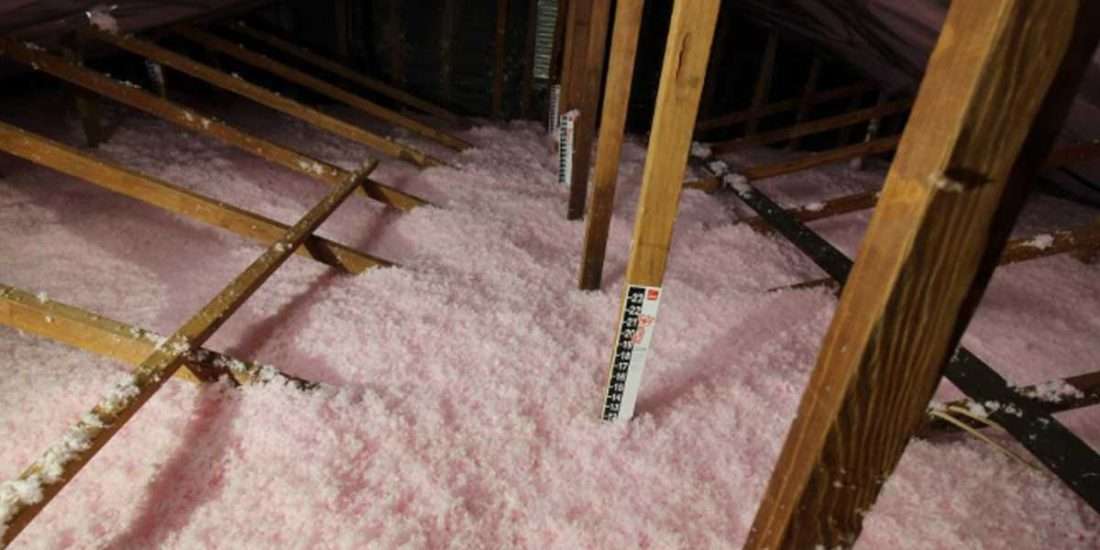
You can check attic insulation by measuring depth in multiple areas and looking for gaps, compression, or bare spots.
Start by measuring insulation thickness in several locations, not just one. The lowest readings usually reveal where comfort problems begin. Then look for signs that reduce effectiveness, such as flattened insulation, exposed drywall, or disturbed areas near edges and penetrations.
This quick check helps determine whether air sealing, a top-off, or replacement is the most effective next step.
Which Blown-In Attic Insulation Works Best?
Blown-in fiberglass and cellulose both perform well when installed evenly and kept clear of ventilation paths.
Blown-in insulation works especially well in attics with irregular spacing, wiring, or obstructions. Performance depends less on the material itself and more on maintaining consistent depth and protecting airflow.
Key factors that matter most:
- Even distribution across the attic
- Clear ventilation baffles
- Proper depth markers during installation
When coverage is consistent, blown-in insulation can significantly reduce drafts and temperature imbalance.
When Do Fiberglass Attic Insulation Batts Work Best?
Fiberglass insulation batts work best in open joist bays with standard spacing and clear cavities.
Batts perform well when they fit snugly without compression and fill the cavity. They tend to fail when gaps are left at edges or when material is pressed down to fit around obstacles.
Batts are most effective when:
- Joist spacing is uniform
- Surfaces are clean and dry
- The attic remains accessible for proper placement
In complex or cluttered attics, blown-in insulation often delivers more reliable results.
Why Is Attic Air Sealing So Important?
Attic air sealing blocks airflow, insulation cannot stop it, and often improves comfort faster than adding insulation alone.
Air leaks allow conditioned air to escape and outside air to enter, reducing the effectiveness of even high R-value insulation. Common leak points include top plates, wiring, and plumbing penetrations, open chases, and attic hatches.
Sealing these areas before adding insulation:
- Improves comfort quickly
- Reduces energy waste
- Allows insulation to perform as intended
Homes with older construction or previous disturbances often see the biggest gains from proper air sealing.
When Should Attic Insulation Be Replaced?
Attic insulation should be replaced when it is wet, contaminated, heavily compressed, or damaged.
Insulation in poor condition cannot support effective air sealing or even coverage. In some cases, removal and reset provide better long-term results than adding more material on top.
Common signs that replacement is needed:
- Moisture damage or water staining
- Strong odors or contamination
- Flattened or matted insulation
- Debris from pests or previous work
Replacing compromised insulation restores the attic so new material can be installed evenly and stay effective.
What Is the Best Order for Attic Insulation Upgrades?
The most effective sequence is inspection, air sealing, insulation installation, and then verification.
Following the right order prevents common mistakes and wasted effort.
A clear upgrade path:
- Inspect insulation depth and condition
- Identify and seal air leaks
- Decide whether to top off or replace
- Protect ventilation paths and clearances
- Install insulation evenly
- Recheck attic hatch sealing
- Monitor comfort improvements over time
Skipping steps often leads to ongoing drafts and uneven temperatures.
Final Thoughts and Practical Next Step
Attic insulation delivers the best results when air leaks are sealed first, and insulation is installed evenly to the appropriate R-value. Homes with older construction, previous disturbances, or comfort issues often benefit from a professional evaluation to identify weak points before making changes.
For homeowners researching attic insulation in Fountain Hills, a local specialist can help assess insulation condition, air leakage, and contamination risks. Whether you’re looking for residential insulation in Fountain Hills or attic-specific upgrades, expert guidance ensures improvements are safe, effective, and energy-efficient.
Attic Construction is a insulation contractor in Fountain Hills, AZ, specializing in attic insulation and rodent control for homeowners.