
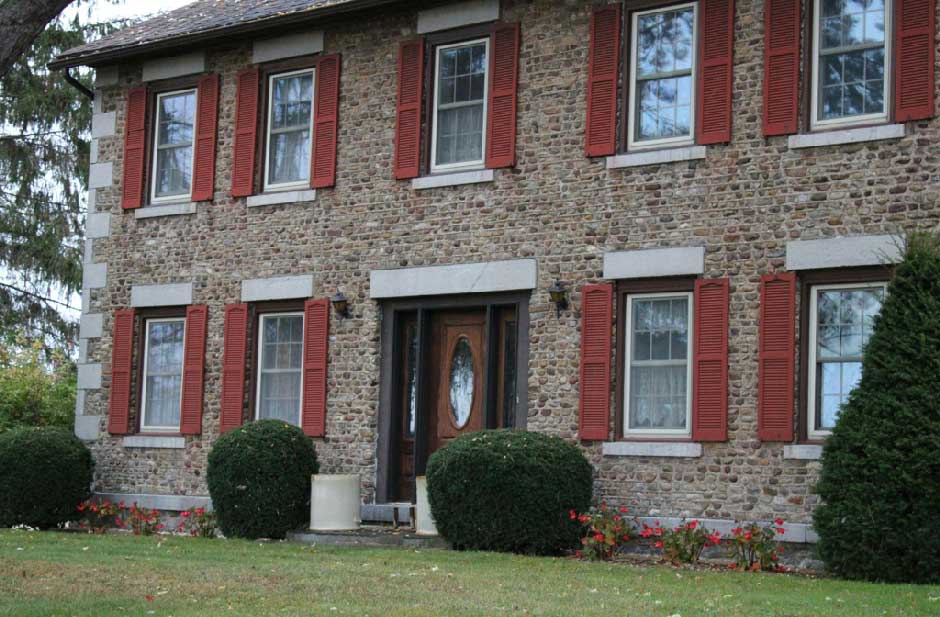
Brick by Brick: The Repair Boom Quietly Transforming Long Island’s Homes and Downtowns
Long Island is not experiencing a skyline-altering construction frenzy. There are no glass towers redefining its horizon. Instead, a quieter and more deliberate transformation is unfolding at street level. Chimneys are being rebuilt. Storefront lintels are reinforced. Brownstone steps are carefully reset. Across Nassau and Suffolk Counties, the steady rise in masonry repair long island projects is reshaping communities in ways that are subtle but lasting.
At the forefront of this movement is Island Stone & Masonry Restoration, a trusted specialist serving residential and commercial clients throughout the region. As aging buildings confront harsher climate cycles, rising property values, and tighter insurance scrutiny, restoration has become both a structural necessity and a financial strategy. From waterfront estates to postwar ranch homes and historic village storefronts, Long Island is reinforcing itself brick by brick.
Post-Storm Lessons Are Fueling Preventative Repairs
The impact of Hurricane Sandy lingers well beyond the immediate rebuilding that followed. Even homes spared catastrophic flooding often suffered subtle structural stress such as mortar erosion, chimney destabilization, and minor foundation shifting. The storm changed the psychology of property maintenance across the island.
In coastal communities such as Long Beach, homeowners now treat masonry inspections as routine rather than reactive. Repointing mortar joints and resealing foundation walls before visible deterioration appears has become increasingly common. What was once deferred maintenance is now a preventative strategy.
This proactive approach is driving consistent demand for skilled masons. Rather than waiting for cracks to widen or bricks to loosen, property owners are investing early, preserving structural integrity and avoiding costlier repairs down the line.
Mid-Century Housing Is Reaching Structural Maturity
Much of Long Island’s suburban landscape was built between the 1950s and 1970s. These brick ranch homes and split-level houses have reached an age where foundational components naturally require attention. Mortar joints weaken. Steel lintels corrode. Chimney crowns deteriorate under decades of freeze-thaw cycles.
In neighborhoods across Huntington and Smithtown, homeowners are encountering hairline cracks along garage headers and foundation seams. While often cosmetic at first, these imperfections can compromise structural stability if ignored.
Instead of concealing brick façades beneath synthetic siding, many residents are choosing to restore original materials. This preservation-minded approach is strengthening structural longevity while maintaining architectural character.
Downtown Revivals Begin with Structural Integrity
Village centers across Long Island are experiencing renewed energy. In vibrant hubs such as Patchogue and Rockville Centre, new restaurants and boutiques are attracting steady foot traffic.
Yet before aesthetic upgrades or signage refreshes occur, structural repairs often take priority. Aging brick façades conceal deteriorated mortar joints and rusting steel supports. Restoration crews stabilize parapet walls, rebuild compromised corners, and reinforce storefront openings.
The transformation unfolds incrementally. One rehabilitated building sets a visual standard, prompting neighboring property owners to invest as well. Over time, careful masonry repair strengthens entire downtown corridors, without erasing their historic character.
Historic Preservation Is Elevating Craft Standards
Historic districts on Long Island are playing a central role in the repair boom. In maritime communities such as Sag Harbor, preservation boards require historically appropriate materials and craftsmanship for visible repairs.
This regulatory oversight has elevated expectations for masonry work. Contractors must match original brick dimensions, color variations, and mortar composition. Lime-based mortars are often specified to maintain structural compatibility with older brickwork.
The emphasis on authenticity fosters a deeper respect for skilled trades. Restoration is no longer a quick patch; it is a technical and aesthetic process that safeguards architectural heritage.
Insurance and Flood Regulations Are Raising the Stakes
Flood risk assessments across Long Island have evolved significantly. Updated designations from the Federal Emergency Management Agency influence insurance premiums and property evaluations.
In South Shore neighborhoods, visible masonry deterioration can complicate underwriting reviews. Cracked foundations or unstable chimneys may trigger higher premiums or required remediation before policy renewal.
As a result, homeowners are addressing structural issues preemptively. Masonry repair is increasingly viewed as risk mitigation, protecting not only the building but also long-term financial stability.
Climate Variability Is Accelerating Wear and Tear
Long Island’s weather patterns have grown less predictable. Temperature swings i.e. warm winter days followed by sudden freezes, intensify freeze-thaw cycles within brick and mortar. Moisture trapped inside small fissures expands when frozen, gradually widening cracks.
According to guidance from the New York State Energy Research and Development Authority, maintaining a durable building envelope is essential to long-term energy performance. Masonry deterioration can undermine insulation effectiveness and allow moisture intrusion.
Across both inland and coastal communities, chimney rebuilds and foundation waterproofing projects are becoming more frequent. Climate variability has transformed minor maintenance concerns into strategic repair priorities.
Rising Property Values Are Incentivizing Structural Investment
In high-demand enclaves such as Garden City and Port Washington, exterior condition heavily influences buyer perception. A home with freshly restored brickwork conveys attentive ownership and reduced future maintenance risk.
Real estate professionals increasingly advise sellers to address masonry issues before listing. Repointed façades and stabilized retaining walls enhance curb appeal while reinforcing buyer confidence.
Rather than cosmetic shortcuts, many homeowners are opting for foundational improvements that support long-term value. The repair boom is closely intertwined with market competitiveness.
Outdoor Living Spaces Are Being Rebuilt for Longevity
Outdoor living is central to Long Island’s suburban culture, particularly in areas such as East Hampton. Patios, walkways, and retaining walls endure heavy use and constant exposure to the elements.
Instead of replacing aging stonework with lower-cost alternatives, homeowners are increasingly choosing restoration. Resetting bluestone pavers, reinforcing retaining walls, and improving drainage systems extend structural life while preserving aesthetic continuity.
This approach reflects a broader sustainability mindset. Repairing existing masonry reduces waste and retains the craftsmanship embedded in original materials.
Skilled Trades Are Experiencing a Renaissance
The surge in masonry repair has revitalized demand for specialized craftsmanship. Tuckpointing, chimney rebuilding, stone carving, and structural anchoring require experience and precision.
Organizations such as the National Fire Protection Association emphasize the importance of properly maintained chimneys and non-combustible materials in residential safety.
As demand rises, skilled masons are regaining prominence in the local construction landscape. The repair boom is not only transforming buildings, but reshaping the labor market by valuing expertise over expedience.
A Cultural Shift Toward Preservation Over Replacement
Perhaps the most profound change is philosophical. For decades, replacement often seemed easier than restoration. Synthetic siding covered aging brick. Concrete slabs replaced stone steps.
Today, homeowners increasingly recognize the long-term benefits of preserving original materials. Authentic brickwork and stone foundations carry architectural character that cannot be replicated by modern substitutes.
This cultural shift reinforces the broader transformation unfolding across Long Island. Repair represents stewardship, a commitment to durability and heritage.
Conclusion: Quiet Reinforcement, Enduring Impact
Long Island’s masonry repair boom may lack the spectacle of new construction cranes, but its impact is far-reaching. Across neighborhoods and downtown corridors, restoration is strengthening the region’s architectural backbone.
Storm exposure, aging housing stock, regulatory pressures, and rising property values have converged to create a moment where repair is strategic rather than reactive. Each rebuilt chimney, stabilized façade, and reinforced foundation contributes to a more resilient built environment.
Brick by brick, Long Island is investing in longevity. The transformation may be incremental, but its results will endure, shaping homes, downtowns, and community identity for decades to come.