
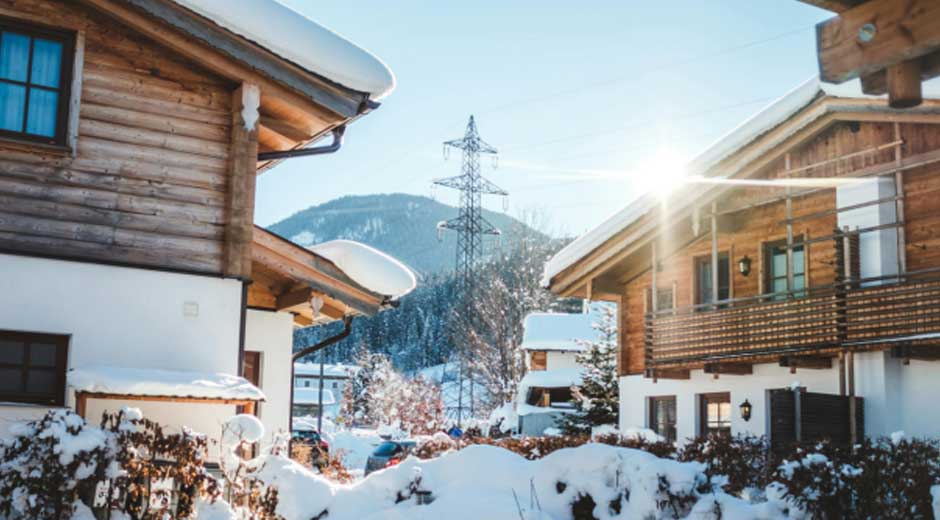
Your Ultimate Guide for a Winter-Ready Home
Winter – the season of jingle bells and holiday cheer. We all wait for the festivities to begin, right? However, with winter comes the need to make essential preparations so that your home is ready to withstand the season’s challenges. While the festive season fills us with joy, the colder months can bring freezing temperatures, heavy snow, and harsh winds—especially in places like Nassau, NY, where winters are notoriously unforgiving. Preparing your home for winter isn’t just about keeping it warm; it’s about safeguarding your family’s comfort, health, and safety. From plumbing inspections to checking smoke detectors, this ultimate guide will help you make your home winter-ready, ensuring you can enjoy a worry-free season filled with warmth and celebration.
1. Inspect and Winterize Your Plumbing System
Freezing temperatures can be a plumbing nightmare, especially in Nassau’s frigid winters. Pipes that aren’t adequately protected can freeze and burst and you really don’t want to experience that headache amidst all the celebrations. This mishap can lead to costly repairs and even water damage. The best way to avoid these issues is to hire a professional plumber to inspect your system. Experts know where to look for vulnerabilities, such as exposed pipes in unheated spaces like basements, attics, or crawl spaces.
Adding pipe insulation is a common preventive measure that keeps your plumbing safe during freezing weather. Another essential task is draining outdoor hoses and shutting off exterior water valves to prevent any residual water from freezing and expanding. While some homeowners might consider DIY solutions, it’s important to remember that plumbing issues require specialized knowledge. Hiring a professional Nassau plumbing company ensures the job is done correctly and saves you from potential headaches later.
2. Seal Doors and Windows to Keep the Heat In
Have you ever considered how important your door and windows are in maintaining indoor warmth? No, it’s not about leaving the window or door open during frost season. Even the smallest gaps or cracks can let in chilly drafts, making your heating system work harder and driving up energy costs. Therefore, make sure you conduct a thorough inspection of all doors and windows in your home to identify any potential air leaks.
Weatherstripping is an easy and cost-effective solution for sealing gaps around doors and windows. Caulking is a more durable option for larger cracks. If your windows are outdated, upgrading to energy-efficient models can be a wise investment –it will improve your home’s ability to retain heat. Window coverings, such as thermal curtains, also provide an additional layer of insulation and keep the cold out.
3. Service Your Heating System
A functional heating system is the holy grail of winter. Before the first cold snap, schedule a professional maintenance check for your furnace or heating unit. Technicians will clean and inspect the system, ensuring all components are working efficiently.
Dirty or clogged filters can reduce your system’s efficiency and increase energy consumption. Replacing filters every 1-3 months ensures proper airflow and keeps your home warm without overworking the system. Regular maintenance extends the lifespan of your heating system and minimizes the risk of unexpected breakdowns during the coldest days of winter.
4. Clean and Inspect Your Fireplace and Chimney
A cozy fire in the fireplace is one of winter’s greatest pleasures, but it also requires proper maintenance to ensure safety. A dirty or blocked chimney can lead to carbon monoxide buildup or even chimney fires. Schedule a professional chimney sweep to remove soot, creosote, and debris.
While cleaning, check for any structural damage to the chimney, such as cracks or loose bricks. A chimney cap is a smart addition to prevent debris, animals, or snow from entering the flue. For those using wood-burning fireplaces, ensure your wood is seasoned and dry, as wet wood produces more smoke and buildup.
5. Prepare Your Roof and Gutters
Your roof and gutters bear the brunt of winter weather, so they need to be prepared to handle it. Have you recently inspected the roof for missing, loose, or damaged shingles? No? Then, it’s about time you do this. A damaged roof could allow water to seep in. Snow and ice can quickly exploit weak spots, leading to leaks and structural damage.
Gutters are just as important. They should be cleared of leaves, twigs, and debris to ensure proper drainage. Blocked gutters can cause ice dams, where melted snow refreezes at the roof’s edge, forcing water under the shingles. Installing gutter guards is an excellent way to keep debris out and maintain proper flow. Ultimately, a well-prepared roof and gutter system will protect your home from winter’s harsh elements.
6. Insulate Your Home for Maximum Warmth
Proper insulation is the foundation of a cozy and energy-efficient home during winter. Without it, heat escapes, leaving your home cold and driving up energy bills. First, look up. That means starting with your attic, as heat often escapes through the roof. Adding or replacing insulation in this area can make a significant difference.
Walls and basements are other key areas to focus on. Check for any cold spots, and consider using spray foam or fiberglass insulation to seal gaps. Don’t forget about the floors, especially if you have a crawl space underneath. Area rugs and carpeting can also help retain warmth and add a layer of comfort. Well-insulated homes aren’t just warmer; they are also more cost-efficient to heat during the coldest months.
7. Reverse Your Ceiling Fans
Did you know ceiling fans aren’t just for summer? Most fans have a reverse switch that changes the direction of the blades. By setting the blades to rotate clockwise at a low speed, warm air that naturally rises to the ceiling is pushed back down into the room.
This simple adjustment can make a noticeable difference in how warm a room feels, reducing the workload on your heating system. It’s an easy, cost-effective way to improve heat distribution and keep your home cozy throughout the season.
8. Check Smoke and Carbon Monoxide Detectors
As heating systems, fireplaces, and generators are used more frequently during winter, the risk of fire or carbon monoxide poisoning increases. Test all smoke and carbon monoxide detectors to ensure they are working properly. Replace batteries and consider installing additional units in key areas, such as near bedrooms and on each floor of the home.
Carbon monoxide is particularly dangerous because it is odorless and colorless. A properly functioning detector is the only way to identify its presence. This small step can save lives and provide peace of mind during the colder months.
Winter preparation is about more than just staying warm; it’s about creating a safe, comfortable environment where you and your loved ones can enjoy the festive season without any mishaps placing a damper. With your home winter-ready, you can focus on enjoying the season’s joys—whether it’s relaxing by the fire, building snowmen with the kids, or simply savoring the warmth of your cozy, secure space.