
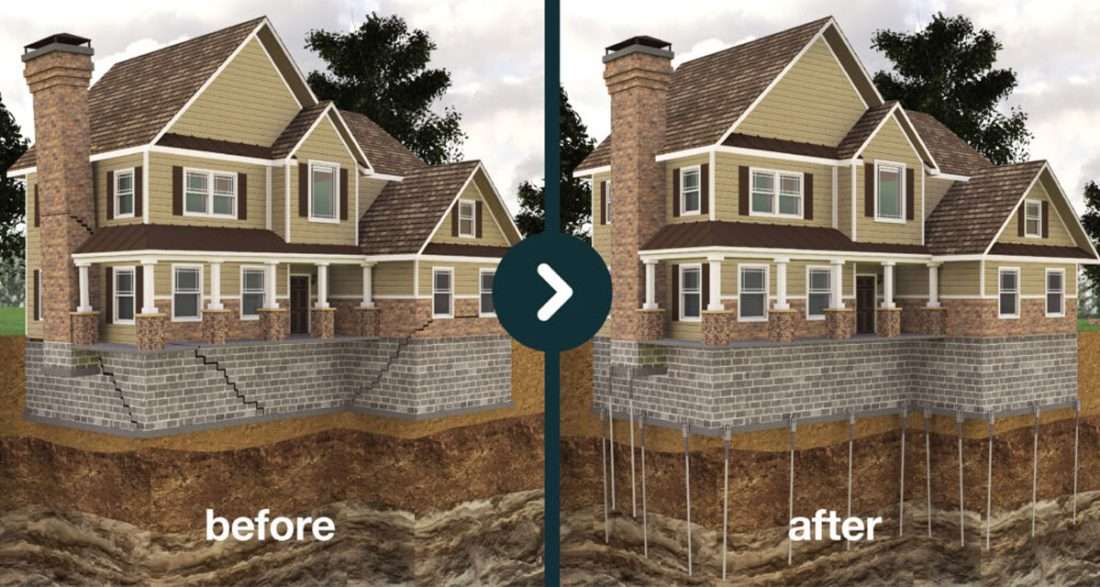
Why Some Homes Develop Foundation Problems Faster Than Others
A foundation is what you can count on in a home’s structure, which is a very important element; still, many homeowners do not pay it attention until they see cracks, uneven floors, or moisture issues. While all homes do some degree of settling as they age, what is seen is some properties have much quicker and more severe foundation issues. In many cases the rate and scale of foundation damage are tied to the home’s moisture management.
Water may appear to present no danger at first, but poor drainage, soil shift, roof runoff, and neglect of maintenance will over time weaken the structure that supports a home. By being aware of these causes, homeowners may put in the work to protect their investment and also avoid large-scale structural repairs down the road.
The Relationship Between Soil and Foundation Stability
In a home’s soil there is constant change in response to moisture. Also, it is noted that some soil types, which have high clay content in particular, expand when they get wet and shrink during dry spells. In that process the soil movement puts out pressure on and around the foundation, which in time may cause cracks and structural shifts.
Homes built on expansive soils see great damage as they cycle between swelling and shrinking, which puts stress on concrete and basement walls. Over time what may at first be small shifts turn into great instability of the entire structure.
In regions that see inconsistent rainfall patterns, extensive droughts, which are followed by heavy storms, are an issue. Dry soil, which shrinks and forms gaps under the foundations, and then very quick saturated ground, which is a result of sudden rain, which in turn causes quick expansion. This cycle, which is repeated, wears out the foundations and also puts us at great risk of damage.
Poor Drainage Around the Home
Drainage issues are the primary cause of foundation failure. In homes that have water that accumulates at the base, the nearby soil takes in that extra moisture and, as a result, becomes unstable.
Improper land grading is an issue that is seen a great deal. It is expected that the land slopes away from the home, which helps the water to drain away from the structure. But when, in fact, landscaping or construction has created low spots near the foundation, what is found is rainwater will pool against the exterior walls for large periods of time.
Standing water causes an increase in hydrostatic pressure, which in turn puts stress on foundations in homes that have basements or crawl spaces. Over time this pressure causes moisture to push through small cracks and in turn weakens the structure of the concrete.
Drainage systems, which include French drains, swales, and properly placed downspout extensions, are a solution for directing water away from at-risk areas. Also very important is the maintenance of these systems, which in turn will reduce long-term moisture issues.
Roof Runoff and Water Concentration
Roof design plays a large role in water control. In storm events, thousands of gallons of rain may fall from a roof, and to avoid foundation issues, proper runoff management is key.
Regular roof and drainage maintenance helps reduce these risks. Homeowners often focus on interior repairs while overlooking the importance of keeping roof drainage systems functioning correctly. Working with professionals such as Bethel Park best roof cleaners can help maintain roof surfaces and drainage performance while preventing debris buildup that interferes with water flow.
Although value is seen in gutter cleaning, it should be presented as only one element of a greater moisture control plan. For effective foundation protection, there is a need for proper grading, drainage design, and a routine of external maintenance.
The Impact of Tree Roots and Landscaping
Landscaping decisions also affect foundation stability. It is seen that large trees when placed too near a home are reported to have absorbed great amounts of moisture from the nearby soil. Also, in dry seasons it is reported that tree roots remove enough water, which in turn causes soil to shrink away from sections of the foundation.
Unequal moisture distribution results in different rates of settlement, which in turn causes some parts of the foundation to move more than others. This unbalance may produce wall cracks, sticking doors, and sloping floors.
In some cases it is seen what plants and also how landscaping is done along with hardscape elements like retaining walls, as well as the amount of compacted soil, all of which may not be intended but do end up in water pooling near the home. Also issues like large flower beds, which have built-up mulch, which may look pretty but in fact don’t allow for proper water flow, or which have very heavy and complex retaining walls, which actually work against natural drainage patterns.
Homeowners should pay close attention to which plants are used and how the area is landscaped to prevent water from pooling around the home’s structure.
Seasonal Weather Changes and Foundation Stress
Climate is a key player in the development of foundation issues. In areas that see large numbers of freeze-thaw cycles, which are typical in many regions, it is seen that homes there experience more stress. Water, which gets into the soil, freezes and takes up more volume, which puts pressure on structures, and also when it thaws out, it can leave the soil in a different state, which in turn affects foundations.
Heavy rain, melt from snow, and extended humidity are causes of long-term moisture issues. Also, in very dry climates there is great soil shrinkage and settlement.
Due to the fact that there is no control over the weather, preventive maintenance takes on greater importance. Homeowners who pay attention to drainage and who repair small issues as they appear are also the ones who see large structural problems being prevented.
Preventative Maintenance Strategies
Foundation issues don’t just pop up over night. They develop slowly over years of unmanaged moisture exposure and soil movement. Proactive maintenance is key to reducing the chance of large-scale damage.
Homeowners should do a regular check of their property for signs of drainage issues, which include standing water, soil erosion, or cracks at the foundation. Also, outlets from downspouts should be directed a few feet away from the home, and landscaping should be done to direct water out.
Maintain even soil moisture around the home at all times. Also, during long dry spells, give the foundation area a light watering, which in clay-rich soils will help to prevent extensive shrinkage.
Professional checks may bring up small issues before they grow to be large structural issues. Fixing a few cracks, drainage issues, and roof runout problems at first is very often a lot more affordable than rehabilitating a damaged foundation.
Final Thoughts
Some home structures experience issues at a faster rate, which is a result of varying soil types, drainage quality, roof runoff management, landscape choices, and environmental exposure. Also, it is what is seen over and over again that moisture control is the key element in achieving long-term structural stability.
Through the study of how water interacts with the soil under a home, owners are able to take a proactive role in protecting their foundation. Proper drainage, well-thought-out landscaping, roof maintenance, and regular inspections all work together to reduce foundation stress and to avoid large-scale repairs in the future.