
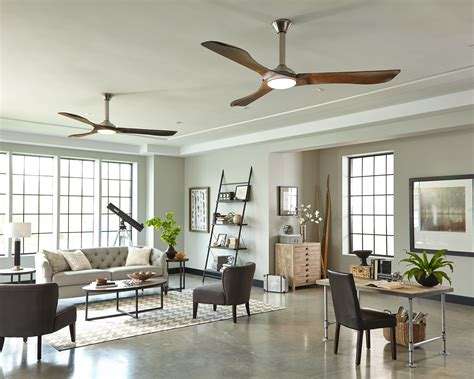
What is the average lifespan of a ceiling fan?
You probably want one straight answer, not a fuzzy “it depends.” Here it is: for most homes, a ceiling fan’s practical lifespan is usually about 10 to 14 years, and a well-made fan that is cleaned, balanced, and installed correctly can often last 15 years or longer. A very cheap fan, or one that runs in a dusty, humid, or poorly installed setup, may start giving you trouble much sooner. That range is a realistic everyday estimate based on current ENERGY STAR lifetime assumptions, official efficiency guidance, and manufacturer warranty/support information rather than wishful marketing talk.
If you want a simple “average” number to remember, 12 years is a useful middle-of-the-road expectation for a normal household fan. Why 12? Because ENERGY STAR says certified fan/light units can save money over a 14-year lifetime, while real-world consumer experience and manufacturer support pages show that dust, wobble, bad installation, electronics failure, and heavy use often pull actual household life below the best-case scenario. So 12 years is a sensible planning number for you, while 10 to 14 years is the safer range. That is the number to use when deciding whether to repair, clean, rebalance, or replace.
That matters because a ceiling fan often fades slowly, not all at once. One month it hums a little. Then it wobbles. Then one speed stops working. Then the light kit flickers. Before long, you are standing under it wondering, “Is this still worth fixing?” That is exactly where knowing the typical lifespan helps. It gives you a practical line between normal maintenance and a fan that is simply getting old.
What “lifespan” really means for you
A ceiling fan does not usually “expire” on one exact date. In real life, lifespan means the period during which the fan still does the job you bought it for: moving air smoothly, running at all speeds, staying reasonably quiet, and feeling safe overhead. Once it becomes noisy, shaky, weak, or unreliable, the fan may still technically spin, but its useful life is already fading.
The official side of the story focuses on efficiency and product classes. The U.S. Department of Energy defines what counts as a ceiling fan for regulation, and the current rules still treat ceiling fans as a distinct efficiency category. ENERGY STAR goes a step further and uses a 14-year lifetime for savings estimates on certified fan/light units. That does not mean every fan will definitely reach 14 years, but it is a strong benchmark for what a good modern fan is expected to deliver under normal use.
Manufacturers also give you a clue. For example, Hunter’s support materials still highlight a limited lifetime warranty on the motor for qualifying models. That does not guarantee every electronic part, remote receiver, capacitor, or light component will last forever, but it tells you the motor itself is expected to be a long-lived core component when the fan is properly installed and used. In plain language: the motor often lasts longer than the small parts around it.
Table 1: A friendly real-world lifespan guide for ceiling fans
Fan situation
Typical life
Main reason
What you should do
Cheap fan, dusty room, heavy daily use
7 to 10 years
Faster wear on electronics and moving parts
Inspect yearly after year 5
Average home fan with normal care
10 to 14 years
Typical household pattern
Clean and tighten every few months
Better-quality fan with good maintenance
15+ years
Stronger motor, better balance, less neglect
Replace parts before failure spreads
7 signs your fan is nearing the end
Key takeaway: the age of the fan matters, but the symptoms matter more. A 13-year-old fan that runs smoothly can still be fine. A 6-year-old fan that wobbles, hums, overheats, and loses speeds may already be on the way out.
Persistent wobble. A little movement can happen, but steady shaking usually points to blade imbalance, loose hardware, warped blades, or mounting trouble. Dust buildup alone can throw the balance off.
New noise. Clicking, grinding, or humming that was not there before often means wear, looseness, or an electrical issue.
Weak airflow at normal speed. If the fan spins but the room no longer feels better, the motor, capacitor, or blade setup may be slipping.
One speed stops working. This is a classic sign that the controls or internal components are aging.
Flickering light kit or unreliable remote. The motor may be fine while the electronics are not.
Warm housing or burning smell. That is not a “wait and see” moment. Turn it off and inspect it.
You are fixing it over and over. Once the repair cycle becomes annoying, the fan may be telling you its useful life is over.
Why some ceiling fans last much longer than others
Think of ceiling-fan lifespan like the lifespan of a pair of shoes. Two people can buy almost the same pair, but one uses them gently, keeps them dry, and cleans them. The other wears them in the rain, drags them, and never checks the soles. Same product family, very different result.
Here are the biggest factors that push a ceiling fan toward the short end or the long end of the lifespan range:
1. Build quality
A fan with a better motor, better blade brackets, and better electronics usually lasts longer. A very low-cost fan can still work fine, but it often has less margin for dust, humidity, vibration, and long hours.
2. Installation quality
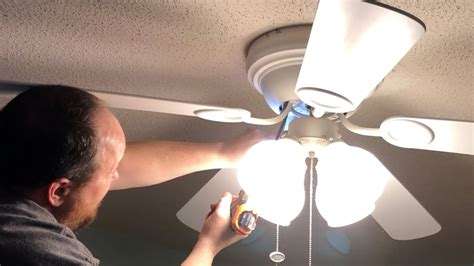
This is huge. A ceiling fan is not just a light fixture with blades. It creates vibration and movement, so the support box and mounting matter. A poor installation can create wobble, extra strain, noise, and safety concerns. Even Wikipedia’s safety summary points out that ceiling fans place extra stresses on the box and mounting system, and official code language exists precisely because of that.
3. Dust and dirt
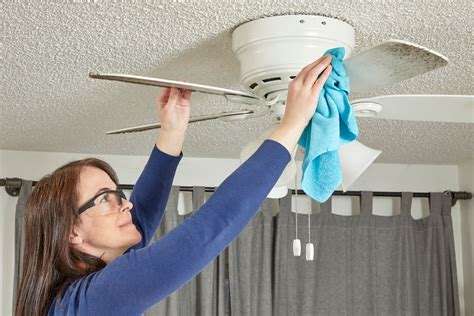
Dust is not just ugly. It changes blade weight. Hunter’s guidance notes that uneven dust buildup is one of the most common causes of wobble. That means a “lazy cleaning habit” can turn into real mechanical stress over time.
4. Humidity and location
A fan in a dry bedroom has an easier life than a fan in a humid patio, sticky kitchen, or damp coastal room. Moisture, grease, and outdoor exposure can shorten the life of finishes, electronics, screws, and bearings.
5. How many hours you run it
This sounds obvious, but it matters. A fan that runs all day for most of the year is using up its life faster than a guest-room fan that spins only a few evenings a month.
6. Seasonal settings
Using the right direction helps you get more comfort from the same fan. Hunter’s guidance says summer direction should be counterclockwise for a cooling downdraft, while winter direction should be clockwise to circulate warm air. Using the fan the smart way does not magically add years, but it helps you get better performance from the fan you already own.
Table 2: What shortens life fastest in everyday homes
Problem
What it does
How serious
Fast fix
Dusty blades
Throws off balance and spreads dust
Medium
Wipe every 1 to 3 months
Loose mounting or screws
Causes wobble and strain
High
Tighten and rebalance promptly
Humid or greasy location
Ages finishes and electronics faster
High
Use location-rated fan
Constant heavy daily use
Adds wear hours quickly
Medium
Inspect earlier in life cycle
Three everyday scenarios that make the lifespan question easier
Scenario 1: Your bedroom fan is 11 years old. It still spins, but it has started humming on medium speed and the remote misses commands. In this case, you are right in the “watch it carefully” zone. The motor may still be okay, but the controls could be aging. A small repair may buy you time. If the fan was cheap to begin with, replacement may be more sensible.
Scenario 2: Your living-room fan is 6 years old and wobbles badly. That does not automatically mean the fan’s life is over. It may simply need cleaning, screw tightening, blade balancing, or a mounting check. This is one of the biggest mistakes people make: they replace a fan that mainly needs maintenance.
Scenario 3: Your patio fan is 8 years old near humidity and dust. Outdoor or damp-location fans have a tougher job. Eight years in a harsh setting can feel older than twelve years in a mild indoor room. Here, corrosion, moisture damage, and electronics wear deserve a closer look.
Notice the pattern? Age alone is not the whole story. You have to combine age + symptoms + environment.
Two simple formulas you can actually use
Most articles stop at “clean it regularly.” Useful, yes, but too vague. Here are two practical formulas that help you decide what to do.
Formula 1: Your replacement planning age
Replacement planning age = purchase year + 12
This is your “start paying attention” date, not a forced replacement date. If you bought your fan in 2015, your replacement planning age starts in 2027. From that point, you should inspect it more seriously each year, especially if it is noisy, wobbly, or used heavily.
Why 12? Because it sits neatly inside the realistic 10-to-14-year window. It keeps you from replacing too early, but it also stops you from ignoring warning signs forever.
Formula 2: Repair-or-replace rule
If repair cost is more than 30% of a comparable new fan price, replacement is usually the smarter move.
Example: a similar new fan costs $180. If the likely repair will cost more than $54, replacement is often better, especially if the old fan is already around 10 years old. This is not a legal rule. It is a household decision shortcut that saves time and frustration.
Why does this work? Because older fans can develop a second or third issue soon after the first repair. Spending heavily on an aging fan can feel like patching an old phone battery: it may work for a bit, but the overall experience is still declining.
How to make your ceiling fan last longer without overthinking it
You do not need a complicated maintenance routine. You need a small, repeatable habit. Think of it like brushing your teeth: quick care beats rare panic.
Dust the blades every 1 to 3 months. In a dusty home, do it more often. This helps airflow and reduces balance problems. Hunter specifically points to uneven dust as a wobble trigger.
Check the screws and brackets. If a fan starts clicking or shaking, look for looseness early.
Use the correct seasonal direction. Summer: counterclockwise. Winter: clockwise, on low speed.
Use the right fan for the location. Bathroom, patio, kitchen, and outdoor spaces need the proper rating.
Do not ignore early symptoms. Small wobble, hum, or remote failure is easier to deal with than a long-neglected problem.
Table 3: Easy upkeep schedule for longer fan life
Task
How often
Time needed
Payoff
Dust blades
Every 1 to 3 months
5 to 10 min
Better balance and cleaner air movement
Tighten visible hardware
Every 6 months
10 min
Less wobble and noise
Check direction setting
Twice a year
1 min
Better comfort in summer and winter
Full inspection after age 10
Yearly
15 min
Catch issues before failure
Three common mistakes people make
Mistake story 1: someone sees wobble and assumes the motor is dying. But the fan is simply dirty, and one blade bracket is slightly loose. Result: unnecessary replacement.
Mistake story 2: someone keeps using a fan with a new grinding sound because “it still works.” A small issue becomes a bigger repair, and the fan finally fails at the worst time: the hottest week of the year.
Mistake story 3: someone installs a fan where a basic light fixture used to be and never checks whether the support box is fan-rated. The fan works, but the mounting stress is wrong from day one. That shortens trust, comfort, and sometimes safety.
The lesson is simple: do not treat every symptom as total failure, and do not treat every symptom as harmless either. A ceiling fan is happiest when you respond early and calmly.
Should you repair or replace?
Here is a good plain-English rule. Repair when the fan is younger, the issue is small, and the airflow is still strong. Replace when the fan is older, the issue keeps returning, or the cost of putting it right starts creeping up.
You should lean toward repair when:
the fan is under about 8 years old,
the problem is dirt, balance, screws, or a simple control issue,
the motor still sounds healthy,
the fan matches your room and you otherwise like it.
You should lean toward replacement when:
the fan is around 10 to 14 years old or more,
you have repeated wobble, humming, unreliable speeds, and light/remote glitches together,
a repair is expensive compared with a new fan,
you want better efficiency, quieter performance, or a better fit for the room.
Consumer Reports’ current ceiling-fan testing is helpful here because it compares models on air flow, noise, and adjustability. That matters in real life. A replacement should not just be “new”; it should be a fan that feels better to live with every day.
Six practical links worth opening
ENERGY STAR ceiling fans — a practical place to see why certified fan/light units are marketed as more efficient and how the 14-year lifetime savings estimate is framed.
U.S. Department of Energy ceiling fan page — useful if you want the official definition of a ceiling fan and the current regulatory context. :
Current eCFR section on ceiling fans — helpful when you want the current legal wording and up-to-date federal rule status.
Hunter lifetime warranty page — useful for seeing how a major manufacturer describes motor coverage versus other parts.
Hunter wobble troubleshooting guide — a practical reference for one of the biggest signs that a fan needs maintenance rather than blind replacement.
Consumer Reports ceiling fan reviews — helpful if you are comparing replacement models based on airflow, noise, and adjustability.
So, what is the average lifespan of a ceiling fan?
For everyday use, the best answer is this: most ceiling fans give you about 10 to 14 years of useful service, and 12 years is a smart planning average. Better fans can last longer. Poor installation, dust, humidity, and neglect can pull that number down. The motor may outlast the electronics. The fan may still spin after its best years are over. And a wobble does not always mean the fan is done.
If your fan is under 8 years old, give maintenance a fair chance. If it is around 10 to 14 years old and collecting problems, start comparing it with a new model. If it is quiet, stable, and still moving air well, you may have more time than you think.
The real skill is not memorizing one perfect number. It is learning to read the clues: age, noise, wobble, airflow, location, and repair cost. Once you do that, you will know whether your fan needs a cloth, a screwdriver, a balancing kit, or a proper goodbye.