
Ways to Improve Water Consumption Management in Your Home
Water is an essential resource for our daily lives, yet many households overlook the importance of conserving it. With rising utility costs and growing environmental concerns, finding ways to monitor and reduce usage effectively has never been more crucial. Implementing smarter practices can lead to lower bills and contribute to a more sustainable lifestyle.
Here are some ways you can conserve water and improve your consumption habits:
Monitor Your Usage
The first step toward efficient use is understanding how much you’re actually using. Monitoring consumption regularly can help you pinpoint areas where excessive use occurs. Consider keeping a log of your monthly water bill and tracking any changes over time. By paying attention to these patterns, you can identify habits that may lead to higher usage and take action to address them. Simple habits, like taking shorter showers or being mindful of water during chores, can lead to significant savings.
Fix Leaks Promptly
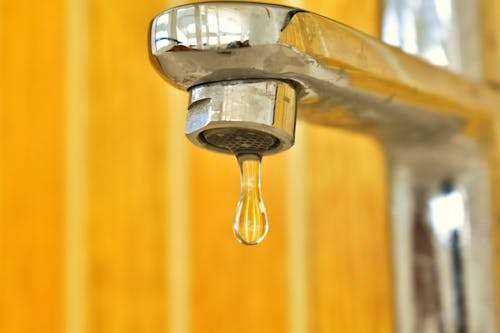
Leaks can be deceptive; a small drip may seem insignificant but can lead to substantial loss over time. It’s vital to inspect faucets, pipes, and toilets regularly to catch leaks early. If you notice any signs of moisture or hear dripping sounds, take action immediately. Repairing leaks not only conserves water but also helps maintain the integrity of your plumbing system, ultimately saving you money on repairs down the line.
Implement Smart Meters
Technology has transformed how we manage resources, including water consumption. Smart meters provide real-time insights into usage patterns. They allow you to track your water flow and detect leaks quickly, potentially saving you money and preventing damage. With devices such as the Bluebot home water meters, you can access detailed reports about your daily and monthly usage. This data empowers you to make informed decisions and adjust your habits, ensuring you only use what you truly need.
Use Water-Efficient Fixtures
One of the simplest ways to decrease water use is to upgrade to water-efficient fixtures. Installing low-flow showerheads, faucets, and toilets can significantly reduce the amount of water you use without compromising performance. These fixtures are designed to provide the same level of comfort and functionality while minimizing waste. By making this small investment, you can enjoy savings on your utility bills and contribute to overall conservation efforts.
Collect Rainwater
Rainwater harvesting is an effective strategy for reducing reliance on municipal supplies. Installing barrels or tanks to collect rainwater allows you to use this resource for irrigation, car washing, or other non-potable applications. This practice not only conserves treated water but also reduces runoff and erosion. With proper setup, harvesting rainwater can supplement your needs and help maintain your garden or landscaping throughout drier months.
Be Mindful of Watering Practices
When it comes to gardening and lawn care, being mindful of your watering practices can make a significant difference in overall usage. One effective strategy is to irrigate your plants in the early morning or late evening when temperatures are cooler. This approach minimizes evaporation, ensuring that more water reaches the roots where it’s needed most. Also, consider using a drip irrigation system to deliver water directly to the plants, which is more efficient than traditional methods. Grouping plants with similar needs can also optimize your gardening routine, reducing waste and promoting healthier growth.
Utilize Native Plants in Landscaping
Choosing native plants for your landscaping can greatly reduce your needs. These plants are naturally adapted to the local climate and typically require less water, fertilizer, and maintenance than non-native species. By incorporating native flora, you can create a beautiful garden that thrives with minimal irrigation. Research local plant varieties that flourish in your area, and consider drought-resistant options. This conserves water and supports local wildlife, promoting biodiversity and enhancing the natural beauty of your surroundings.
Shorten Showers
Long, leisurely showers can be a guilty pleasure, but they contribute significantly to water waste. Setting a timer for your showers can help you stay conscious of your usage and encourage shorter, more efficient bathing practices. Even cutting down by just a few minutes can lead to considerable savings over time. You might also consider installing a shower timer or using a low-flow showerhead to maintain a satisfying shower experience while conserving water. This small change in habit can positively impact your bills and environmental footprint.
Run Full Loads in Appliances
Dishwashers and washing machines are designed to use a set amount of water regardless of the load size. Always wait until these appliances are full before running them to maximize efficiency. This reduces the total number of cycles you need and helps conserve water and energy. If you must wash smaller loads, check for settings allowing for less use, ensuring you’re not wasting resources. By making this practice a routine, you can significantly reduce your household’s usage.
Educate Your Household
Water conservation is a collective effort that involves everyone in the household. Educating family members about the importance of saving water can foster a culture of conservation at home. Share information about simple practices that can make a difference, like turning off the tap while brushing teeth or reporting leaks immediately. Engaging everyone in discussions about use and encouraging them to adopt mindful habits can lead to lasting changes. Consider creating a fun challenge to see who can come up with the most creative ways to save water, making it a family project.
Review Your Bill Regularly
Taking the time to review your bill each month can reveal valuable insights into your consumption patterns. Look for unusual spikes that may indicate leaks or changes in usage habits. This practice allows you to catch issues early and address them promptly. Many utility companies provide online tools to help track and analyze your usage, making it easier to identify trends. By staying informed about your expenses, you can adjust your habits and save money on your bills.
Managing water consumption in your home is not just about reducing bills. It’s about making a positive impact on the environment. By monitoring usage, fixing leaks, and adopting efficient practices, you can contribute to a more sustainable future. Embracing technologies like smart meters improves your ability to track and manage your usage effectively. Remember, even small changes can lead to significant savings and benefits. Start implementing these strategies today to create a more resource-conscious household.