
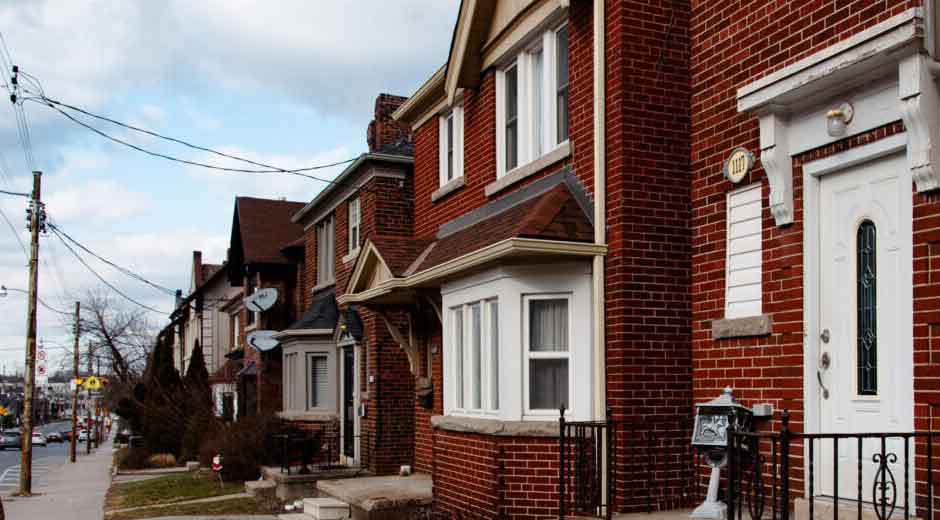
Turning Vintage Homes into Income Properties – A Canadian Property Management Perspective
Across Canada, vintage homes are often admired for their architectural beauty and historical significance—but increasingly, they are also being recognized as valuable income-generating assets. For investors and property managers, transforming these properties into successful rental units offers the opportunity to blend heritage preservation with financial return. Yet the process is more nuanced than with modern structures, requiring careful planning, compliance with regulations, and a deep respect for the building’s original character.
This article offers insight into how Canadian property managers are approaching vintage home conversions, highlighting strategies for success and the challenges unique to heritage structures.
Embracing the Potential of Historic Homes
Vintage properties, often located in well-established neighborhoods, offer unique advantages. Their proximity to downtown cores, transit, and cultural landmarks enhances their appeal to long-term tenants. Architecturally, features like high ceilings, original woodwork, and divided floor plans lend themselves naturally to multi-unit configurations or stylish short-term rentals.
What sets these homes apart is their market differentiation. Tenants frequently seek out rentals with charm and character—qualities new builds may lack. For the right buyer or property manager, these homes can command competitive rents and strong appreciation if thoughtfully modernized and well-maintained.
Step 1: Evaluate Structural and Regulatory Viability
Before converting a vintage home into an income property, a full property assessment is essential. Many older homes were built before modern codes existed, meaning upgrades are often necessary. Key systems—plumbing, wiring, roofing, insulation—should be evaluated for both safety and functionality.
Equally important is understanding local zoning laws and whether the home is located in a designated heritage district. These designations can impose restrictions on exterior changes or multi-unit conversions. A consultation with local building officials and heritage planners is often a necessary first step.
Step 2: Restore with Purpose, Modernize with Care
Modernizing vintage homes requires a thoughtful balance between preservation and performance. The goal is to retain original features where possible, while ensuring the home meets current standards for safety, comfort, and efficiency. This often involves working with contractors experienced in heritage restoration.
Only where relevant, careful upgrades may include:
- Electrical rewiring and panel upgrades
- Enhanced insulation while preserving plaster or millwork
- Discreet HVAC installation
- Restored wood windows or replicas using heritage-appropriate materials
Grants or incentives may be available through municipal or provincial programs to support these efforts, particularly in designated conservation areas.
Step 3: Tailor the Property to Modern Rental Needs
Once upgrades are complete, the property must be configured to suit today’s rental market. Whether it’s creating separate entrances, adding in-law suites, or redesigning interior layouts, flexibility is key. Property managers often find success in segmenting large spaces into self-contained units while maintaining cohesive aesthetics across the building.
Marketing should emphasize the unique qualities of the home—original fireplaces, handcrafted trim, stained glass—alongside practical amenities like in-suite laundry, modern kitchens, and energy-efficient systems. These properties tend to attract tenants who value both lifestyle and location, including professionals, downsizers, or short-term renters looking for a distinctive experience.
Step 4: Plan for Maintenance and Long-Term Care
Older homes require ongoing attention. Without regular inspections and upkeep, even well-renovated properties can quickly fall into disrepair. To protect both the asset and its income potential, property managers should implement a proactive maintenance schedule.
At minimum, inspections should cover roofing, drainage, foundation stability, moisture control, and mechanical systems. Partnering with professionals who understand the construction styles and materials of earlier periods can prevent unnecessary or inappropriate repairs.
Conclusion: Preserving Heritage, Creating Value
Turning vintage homes into income properties is not a shortcut to passive income—it’s a long-term investment in both history and community. From a Canadian property management perspective, these projects require more planning and customization than standard rental properties, but the rewards can be considerable. Not only do they offer steady income and appreciation, they contribute to the preservation of the architectural legacy that defines many of Canada’s most beloved neighborhoods.
By combining restoration with modern real estate strategy, investors and managers can unlock new value from old homes—ensuring they remain vital, lived-in spaces for generations to come.