
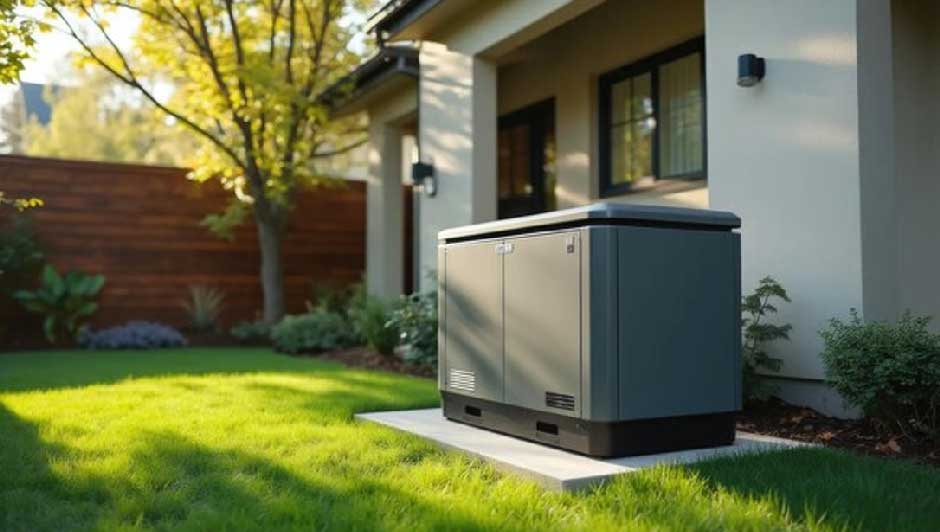
The Problems That May Appear in the Average Home Backup Generator
Backup generators at home are very important in case power goes out, but like any other machines, after some time, they may be burdened with problems. Knowing common problems will help homeowners properly maintain their generator and ensure it’s ready when needed.
If you have any issues or concerns, a simple search term like “Generac service near me” will put you in touch with certified technicians who will be able to help diagnose your problem and complete the necessary repairs. Here are some of the more common issues with an average home backup generator:
Fuel Issues
Fuel-related problems are probably the most common issues associated with backup generators. This could be running out of fuel, using the wrong kind of fuel, or deterioration in the quality of fuel over a period of time. For example, gasoline could degrade and develop varnish when stored for periods, which would eventually cause fuel lines or carburetors to clog.
From time to time, check the level of fuel and change the fuel after some months. This is very critical in those generators relying on gasoline. Consider the addition of a fuel stabilizer to help extend the life of the fuel and prevent any deterioration in quality.
Battery Problems
Many backup generators use batteries to start the engine. If the battery is old or has not been maintained, it may fail to start the generator when needed. Corrosion on battery terminals can also lead to poor connections. Check the battery regularly for corrosion and ensure that it is charged. Most manufacturers recommend replacing the battery every 2-3 years, depending on usage.
Oil Leaks
Oil leaks can occur due to worn gaskets or seals, and they can lead to decreased performance and potential engine damage. If oil levels drop too low, it can cause the generator to shut down unexpectedly. Regularly inspect the generator for oil leaks and check oil levels before starting it. If you notice any leaks, make sure to have them repaired by a professional.
Overloading
Generators can only handle a certain amount of load. If the load exceeds the generator’s capacity, it can cause overheating or even damage the generator. For instance, running too many appliances simultaneously during a power outage can overload the system. Understand the generator’s capacity and only connect essential appliances. Use a load management system or transfer switch to ensure that the generator is not overloaded.
Cooling System Failures
Generators generate heat during operation, and if the cooling system fails (for example, if the cooling fan is not functioning), it can lead to overheating. Overheating can damage the engine and other components. Regularly check the cooling system and ensure that air vents are not blocked. Clean any debris from the generator’s exterior, especially around the cooling fan and intake vents.
Electrical Issues
Wiring problems, including frayed or damaged wires, can lead to electrical failures or short circuits. Corrosion in connections can also hinder performance. Inspect the wiring regularly and look for signs of wear or corrosion. It’s crucial to have any electrical issues repaired by a qualified technician to prevent safety hazards.
Control Panel Malfunctions
The control panel is crucial for monitoring the generator’s performance and settings. If it malfunctions, it can lead to incorrect readings, failure to start, or improper operation.
Regularly test the control panel during routine maintenance and consult the user manual for troubleshooting tips. If problems persist, seek professional assistance.
Lack of Maintenance
Perhaps the most significant issue that can affect a backup generator is the lack of regular maintenance. Neglecting to service the generator can lead to various problems, including performance issues and unexpected failures. Follow the manufacturer’s maintenance schedule, which typically includes regular oil changes, filter replacements, and inspections. Keeping a maintenance log can help track service intervals.
Backup generators are invaluable for ensuring power during outages, but they can experience various problems if not properly maintained. By understanding these issues, homeowners can take proactive steps to ensure their generators remain in good working condition.