
The Most Overlooked Areas on Your Roof That May Be Leaking
Water damage from a leaking roof can transform from a minor nuisance into a catastrophic problem within weeks or even days. While obvious signs like water stains on ceilings immediately grab attention, numerous leak-prone areas often go unnoticed until significant damage occurs.
One proactive step homeowners can take is working with experienced professionals. Services like https://americanqualityremodeling.com/roofing/leaks/ specialize in detecting and addressing leaks in even the hardest-to-spot areas, saving time and money on future repairs.
Understanding Your Roof’s Anatomy
Modern residential roofs are complex systems comprising multiple layers and components working together to protect your home. The outermost layer typically consists of shingles or other roofing materials, underlayment beneath them, and a network of flashings that direct water away from vulnerable areas. This intricate system depends heavily on proper installation and regular maintenance.
Different roofing materials present unique challenges when it comes to leak detection. Asphalt shingles may show obvious signs of wear through granule loss and curling edges, while metal roofs might develop subtle separations at seams that are harder to spot. Clay or concrete tiles can crack without immediate evidence of leakage, making regular inspections crucial regardless of the roofing material.
Primary Leak-Prone Areas
Flashing Components
The most frequently overlooked source of roof leaks lies in deteriorating flashing components. These thin metal barriers are critical in waterproofing transitions and changes in your roof plane. When properly installed, flashing diverts water from vulnerable areas where different roof sections meet or objects penetrate the roof surface.
Over time, temperature fluctuations cause metal flashing to expand and contract, eventually leading to cracks or separations. Exposure to UV rays and harsh weather conditions can accelerate this deterioration, particularly in areas with extreme seasonal changes. Most roofing experts recommend inspecting flashing components biannually and planning for replacement every 10-15 years, even if no obvious issues are apparent.
Chimney Systems
Chimneys represent one of the most complex challenges in maintaining roof integrity. These immense structures create multiple potential entry points for water, with various components that must work together seamlessly to prevent leaks. The interaction between brick or stone masonry and roofing materials creates particular vulnerability where the two systems meet.
Common chimney-related leaks often stem from deteriorated mortar joints and cracked chimney crowns. Water can penetrate these minor imperfections, freeze during cold weather, and expand, creating progressively larger openings. Additionally, the flashing around chimneys requires special attention due to its complex installation requirements. The step flashing and counter flashing must be adequately overlapped and sealed to prevent water intrusion.
Roof Penetrations
Modern homes typically feature numerous roof penetrations for ventilation, plumbing, and other essential systems. Each penetration creates a potential weak point in your roof’s water-resistant barrier. Vent pipes, in particular, often develop leaks where rubber boots or metal collars meet the roof surface. These components can crack or separate over time, creating subtle entry points for water that may go unnoticed for extended periods.
Skylights present their own unique set of challenges. While they add natural light and aesthetic appeal to interior spaces, their installation requires precise measurements and careful integration with the surrounding roofing material. Even minor installation errors can lead to significant problems over time. Condensation issues often complicate skylight leak diagnosis, as interior moisture may be mistaken for external leaking.
Valley Vulnerabilities
Roof valleys – the V-shaped intersections where two roof planes meet – channel substantial amounts of water during every rainfall. These critical drainage paths require proper sealing and regular maintenance to function effectively. The increased water volume flowing through valleys makes them particularly susceptible to wear and erosion over time.
Heavy debris accumulation in valleys can force water under shingles and eventually compromise the underlayment. Pine needles and leaves tend to collect in these areas, creating dams that prevent proper drainage and trap moisture against roofing materials. In regions with heavy snowfall, ice dams frequently form in valleys first, creating additional stress on these vulnerable areas.
Secondary Problem Areas
Ventilation System
Poor attic ventilation often creates conditions that mimic roof leaks and can accelerate the deterioration of roofing materials. When warm, moist air becomes trapped in your attic space, it makes a perfect environment for condensation to form on the underside of your roof deck. This moisture accumulation can lead to wood rot, mold growth, and damaged insulation – problems many homeowners mistakenly attribute to external leaks.
The relationship between ventilation and roof performance extends beyond moisture control. Excessive heat buildup in poorly ventilated attics can cook shingles from below, significantly reducing lifespan. Proper ventilation requires a balanced intake and exhaust vents system, working together to create consistent airflow throughout the attic space.
Gutter System Issues
While technically external to the roof, gutter systems protect your home from water damage. Compromised gutters can force water back under shingles or allow it to pool around your home’s foundation. During heavy rainfall, clogged or damaged gutters often cause water to cascade down exterior walls, potentially infiltrating the building envelope.
Modern gutter systems incorporate various components to prevent backup and ensure proper drainage. However, these features require regular maintenance to function effectively. Downspout configurations deserve particular attention, as improper installation or damage can direct water toward vulnerable areas of your roof or foundation.
Shingle Concerns
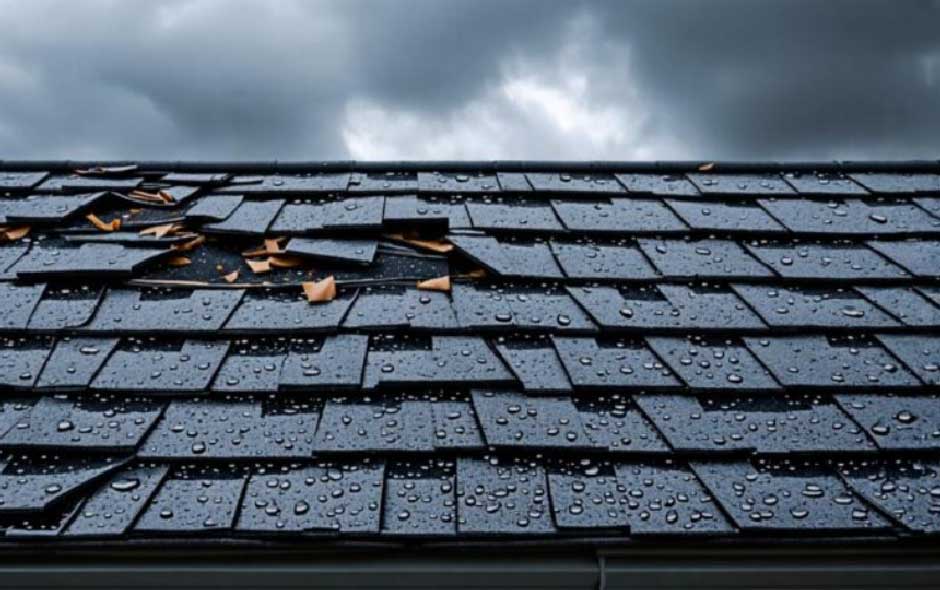
Even minor shingle damage can develop into significant leaks if addressed. The signs of deterioration often appear gradually, making them easy to overlook during casual observation. Granule loss, while seemingly cosmetic, actually indicates the erosion of your shingles’ protective layer. As this erosion progresses, the underlying material becomes increasingly vulnerable to UV damage and water penetration.
Curling or buckling shingles present another frequently overlooked warning sign. This distortion often begins at shingle edges, where exposure to elements is most significant. Wind damage can initiate this process, creating small lifts and allowing water to penetrate beneath the shingle surface. In areas with considerable temperature fluctuations, thermal cycling accelerates this deterioration process.
Detection Methods
Attic Inspection
The attic space provides the first line of defense in early leak detection. Regular attic inspections can reveal problems before they manifest as visible damage in living spaces. The optimal time for these inspections is during or immediately following rainfall when active leaks are most apparent.
During attic inspections, pay particular attention to areas around chimneys, vents, and other roof penetrations. Use a powerful flashlight to examine roof sheathing for dark spots, which may indicate water damage. The presence of mold or mildew often signals ongoing moisture issues that require immediate attention. Remember to check insulation for signs of compression or discoloration, as these can indicate water infiltration from above.
Professional Assessment
Professional roof inspections offer insights and detection capabilities beyond typical homeowner maintenance. Licensed inspectors utilize specialized equipment like infrared cameras to identify moisture intrusion that remains invisible to the naked eye. These comprehensive evaluations often reveal developing issues before they escalate into costly repairs.
Experts systematically examine every potential vulnerability in your roofing system during professional inspections. They assess the condition of materials, evaluate installation quality, and identify areas requiring immediate attention. Most importantly, they provide detailed documentation of their findings, creating a valuable record for future maintenance planning and potential insurance claims.
Preventive Measures
Preventing roof leaks demands a proactive approach to maintenance and monitoring. Creating a comprehensive maintenance schedule represents the first step toward avoiding severe water damage. This schedule should account for seasonal challenges specific to your region, from heavy snow loads in winter to intense UV exposure during the summer months.
Digital monitoring solutions have revolutionized leak prevention strategies. Smart moisture sensors can now alert homeowners to problems before visible damage occurs. While these technologies shouldn’t replace physical inspections, they provide additional protection against unexpected water damage.
Emergency Response Plan
Water penetration requires immediate action to prevent extensive damage to your home’s structure and contents. Establishing an emergency response plan before you need it can save precious time when leaks occur. This plan should include temporary containment measures, such as tarping procedures and the location of emergency repair materials.
Maintaining a list of qualified roofing professionals who offer emergency services proves invaluable during crises. Document their contact information and your insurance carrier’s claims department number in an easily accessible location. Photographs and videos of your roof’s condition during regular maintenance can provide valuable documentation if emergency repairs become necessary.
Cost Implications
Addressing roof leaks promptly almost always proves more economical than deferring repairs. Minor repairs typically cost between $150 and $400, while extensive water damage can cost thousands. Insurance coverage for roof leaks often depends on the cause and your maintenance history, making regular inspections and documentation particularly important.
Early detection and repair of roof leaks protect your home’s structure and financial investment. Properties with well-maintained roofs typically command higher resale values and face fewer complications during home inspections. The cost of preventive maintenance represents a fraction of potential repair expenses, making regular roof care a sound investment in your home’s future.
Remember, your roof represents your home’s first defense against the elements. Understanding its vulnerabilities, implementing regular inspections, and maintaining a proactive approach to maintenance will help ensure its longevity and effectiveness. When in doubt about roofing issues, consulting with qualified professionals can prevent minor concerns from developing into significant problems.