
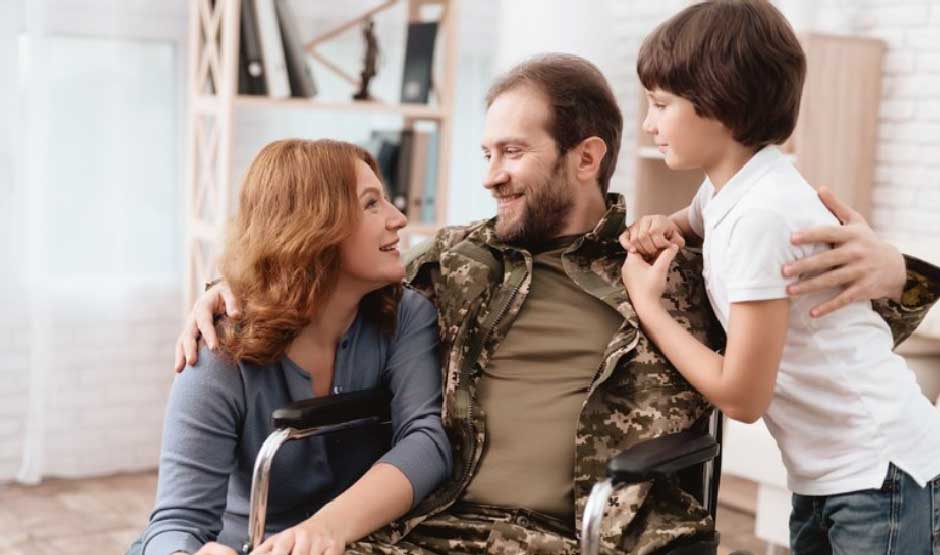
Supporting A Loved One After A Brain Injury: 5 Practical Tips For Families
When someone you care about experiences a brain injury, life can change in an instant. Everyday tasks become more difficult, emotions run high, and the future feels uncertain. Families often struggle with how to help, balancing their own feelings while supporting their loved one’s recovery.
The road ahead may seem daunting, but the good news is there are simple and effective ways to provide support. From understanding their new needs to ensuring they receive proper care, small actions can make a big difference.
Let’s explore five practical tips to help you manage this challenging time together.
1. Educate Yourself About the Injury
When a loved one suffers a serious injury, it’s natural to want to help right away. But the first step to providing meaningful support is understanding what they’re going through. Injuries like these can affect memory, behavior, and communication. So, learning about these changes helps set realistic expectations and offers better care.
It’s also important to understand the cause of the injury. Sometimes, injuries can be work-related, involving heavy machinery, such as crane accidents, forklift crashes, or electrocution. These situations can complicate recovery, as they may involve legal or compensation issues. In such cases, working with a skilled traumatic brain injury attorney can be crucial.
These professionals understand the legal and medical complexities of such injuries and ensure your loved one receives the care and compensation they deserve. Whether you’re dealing with insurance companies or navigating workers’ compensation claims, a trusted lawyer can help you manage these challenges. They’ll guide you through the process so you can focus on your loved one’s recovery.
2. Be Patient with the Recovery Process
Healing takes time, and it’s rarely a straightforward process. There will be good days and bad days, and it’s crucial to remain patient. Recovery from head injuries can be unpredictable. Sometimes, progress comes slowly, and it’s easy to feel frustrated or helpless. However, your patience and understanding can be some of the most powerful tools in your loved one’s recovery.
It’s also important to be flexible. As the recovery journey unfolds, you may need to adjust your expectations and daily routines. Let them take small steps forward without pressure and understand that setbacks are a natural part of healing.
3.Build a Strong Support Network
Supporting a loved one after a serious injury isn’t something you have to do alone. It’s essential to build a network of people who can share the load—whether it’s friends, family members, or healthcare professionals. This team approach can help prevent burnout and ensure that your loved one receives consistent care.
Support groups are also a great resource. They provide a place for both you and your loved one to connect with others going through similar experiences. Families often find comfort in hearing from others who have faced the same challenges and found ways to cope. It also helps to have professionals who can answer your questions and guide you through the more complex aspects of recovery.
4. Focus on Emotional Healing, Too
An injury doesn’t just affect the body; it impacts the mind and emotions as well. Your loved one may experience frustration, sadness, or anxiety during their recovery, and that’s perfectly normal. Offering emotional support is just as important as helping with their physical rehabilitation.
Encourage open communication. Let them express their feelings without judgment. Sometimes, just listening can be the best way to help. And don’t forget to take care of your own emotional health, too. It’s easy to get overwhelmed when someone you love is hurting, but finding time to recharge can help you stay strong for them.
Consider professional counseling for your loved one and yourself if needed. Therapy can provide tools for managing stress, depression, or anxiety that often come with long-term recovery. In the long run, addressing emotional health can greatly improve overall well-being.
5. Create a Safe and Comfortable Environment
After such an injury, adapting to the home environment can make a significant difference in your loved one’s recovery. Simple changes can help them move around safely. This could include removing trip hazards, installing grab bars, or ensuring proper lighting. A calm, organized space can also reduce anxiety and promote healing.
Additionally, consider their emotional needs. Surround them with familiar objects, photos, and anything that brings comfort. A safe, supportive environment can provide physical and emotional security. This approach will make the recovery process smoother for everyone involved.
Conclusion
Supporting a loved one after a serious injury requires patience, knowledge, and understanding. It’s a challenging journey, but with the right resources and support, you can make a positive difference in their recovery. While it may not always be easy, knowing that you’re helping them through this difficult time can be one of the most rewarding things you do.