
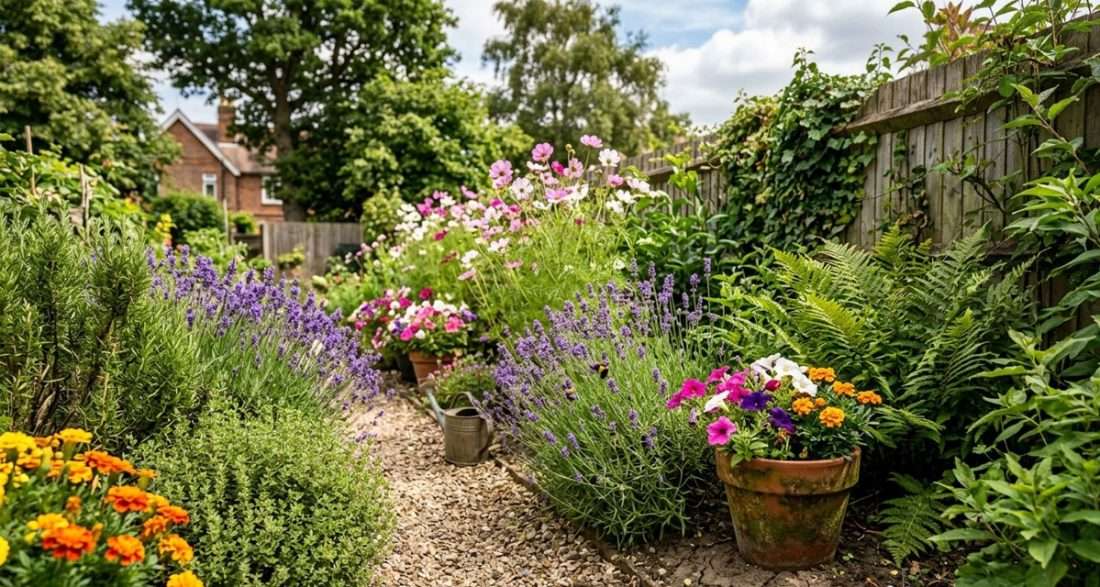
Summer is the ultimate test of a gardener’s resolve
Summer is the ultimate test of a gardener’s resolve. In the radiant warmth of June and July, our backyards explode into a vibrant tapestry of emerald leaves, dazzling blossoms, and the first sweet promises of harvest. But as the thermometer ticks upward, that idyllic summer dream can quickly devolve into a grueling battle against scorching heat, relentless weeds, parched soil, and opportunistic pests.
Many passionate gardeners find themselves trapped in an exhausting cycle: spending grueling weekend marathons sweating under a blinding afternoon sun, trying to make up for a week of neglect, only to find their plants stressed and their own energy depleted.
What if you could break free from this exhausting cycle and achieve your most beautiful, productive garden yet?
Enter The 3-Hour Gardening Rule for Summer Success. This simple, time-tested framework shifts your gardening from a reactive, exhausting chore to a proactive, highly efficient ritual. By dedicating just three hours a week—strategically broken down and properly timed—you can outsmart the summer heat, optimize plant health, and still have plenty of time to sit back in a lawn chair and enjoy the fruits of your labor.
Here is how to break down your three hours for maximum summer success.
Hour 1: The Golden Hour (Watering & Deep Hydration)
Suggested Schedule: Three 20-minute sessions per week (Early Morning)
Watering is the single most critical task of the summer, but it is also the most frequently mismanaged. Standing under the blazing 2:00 PM sun with a garden hose nozzle set to “mist” does more harm than good; the water evaporates before it ever reaches the roots, and wet leaves in the midday heat can lead to sun-scorch and fungal diseases.
Instead, allocate your first hour of the week to The Golden Hour—specifically, twenty minutes on three alternating mornings (e.g., Monday, Wednesday, and Friday) between 6:00 AM and 8:00 AM.
During this cool window, evaporation rates are at their lowest, allowing every drop of water to sink deep into the earth. Your goal during these 20-minute sessions is not a superficial sprinkle, but a deep, focused soak at the base of the plants. Deep watering encourages roots to grow downward into the cooler, moisture-retaining layers of the soil, making them dramatically more drought-resilient.
Pro-Tip from Premier Nursery : If you use drip irrigation or soaker hoses, this hour is spent checking the lines for leaks, adjusting timers, and manually spot-watering heavy feeders like tomatoes, peppers, and hydrangeas that demand extra hydration during fruit and flower production.
Hour 2: The Editing Hour (Weeding, Pruning, & Pest Patrol)
Suggested Schedule: Two 30-minute sessions per week (Late Evening)
Once your watering routine is locked in, your second hour is dedicated to maintenance, aesthetics, and plant health. We call this The Editing Hour. Split this into two 30-minute sessions in the late evening when the sun dips low, the shadows lengthen, and the air begins to cool.
- Weed Mitigation (20 Minutes): Weeds are the ultimate resource thieves. They aggressively compete with your prized perennials and vegetables for water, soil nutrients, and sunlight. Spending just 10 minutes per session pulling young weeds before they go to seed will completely break their reproductive cycle. Because the soil is already damp from your morning watering sessions, they will slide out, roots and all, with minimal effort.
- Pruning & Deadheading (20 Minutes): Walk through your garden with a sharp pair of bypass pruners. Remove spent blooms (deadheading) from flowering annuals like marigolds, petunias, and zinnias to trick the plant into sending its energy into a fresh wave of blossoms rather than seed production. Snip away yellowing or diseased lower leaves on your tomato plants to improve air circulation and prevent soil-borne fungi from splashing upward.
- Pest Scout (20 Minutes): Spend the final minutes looking under leaves. Summer is prime time for aphids, hornworms, and Japanese beetles. Catching an insect invasion early means you can easily manage it by hand-picking or applying a quick spray of organic neem oil, saving you from a catastrophic infestation later in the season.
Hour 3: The Nourishment & Protection Hour (Mulching & Feeding)
Suggested Schedule: One 60-minute weekend block (Early Morning or Overcast Day)
The final hour of the week is your big-picture strategy block. It’s a single, 60-minute session typically tackled on Saturday or Sunday morning. This hour focuses on long-term vitality, feeding your plants’ hunger and shielding them from the harsh environmental elements.
- The Power of Mulch (30 Minutes): If water is the lifeblood of the summer garden, mulch is its shield. Spend half of this hour checking your mulch layers. A 2-to-3-inch blanket of shredded bark, clean straw, or compost acts as an insulating barrier. It keeps soil temperatures up to 10 degrees cooler, suppresses new weed seeds from germinating, and reduces soil water evaporation by up to 70%. If you see bare dirt, top it off immediately.
- Targeted Summer Feeding (30 Minutes): Plants are heavy consumers in the summer as they rush to produce flowers, fruit, and foliage. However, high-nitrogen chemical fertilizers can cause a sudden flush of tender growth that burns easily in the summer heat. Instead, spend the remaining 30 minutes applying a diluted, organic liquid fertilizer (like fish emulsion or seaweed extract) to your containers and heavy-fruiting crops. This provides a gentle, easily digestible nutrient boost that sustains them without causing stress.
Why the 3-Hour Rule Works: The Power of Consistency
The magic of the 3-Hour Gardening Rule doesn’t come from a secret green-thumb technique; it comes from the psychological and biological power of consistency.
When you garden in small, deliberate increments, you disrupt problems before they start. A weed pulled at two days old is a minor inconvenience; a weed ignored for three weeks requires a shovel and an aching back. An aphid colony discovered on Tuesday can be wiped away with a thumb; an aphid colony left unchecked until next month can destroy an entire crop.
Furthermore, breaking your gardening down into three highly manageable hours protects you from burnout. Gardening should never feel like a punishment. By stepping out into the garden during the coolest, most beautiful parts of the summer days, you reconnect with the genuine joy of nurturing living things.
Summer Success Starts at the Nursery
As you adopt the 3-Hour Rule this summer, remember that you don’t have to grow alone. Whether you need high-quality organic mulch to lock in that morning moisture, premium lightweight pruners that make your editing hour a breeze, or heat-tolerant summer annuals to fill in any unexpected gaps, our nursery team is always here to help.
Stop by this week to stock up on your summer essentials, grab a couple of bags of fresh compost, and chat with our staff about what’s thriving in your neighborhood. Let’s make this summer your most beautiful, relaxing, and successful growing season yet!