Protecting the Harvest: How Modern Steel Barns Prevent Moisture and Crop Loss
Canada’s agricultural sector plays a vital role in feeding both the nation and the world. With vast landscapes and diverse climates, Canadian farmers face unique challenges, particularly when it comes to protecting crops from environmental threats such as moisture. As such, the importance of effectively protecting harvests cannot be overstated.
The challenges posed by moisture can lead to significant crop loss, affecting the livelihood of farmers and food supply chains. Fortunately, advancements in building technologies have paved the way for more effective solutions. Key among these is the utilization of agricultural steel buildings, which are increasingly being recognized for their ability to safeguard crops efficiently.
Why Modern Steel Barns Excel
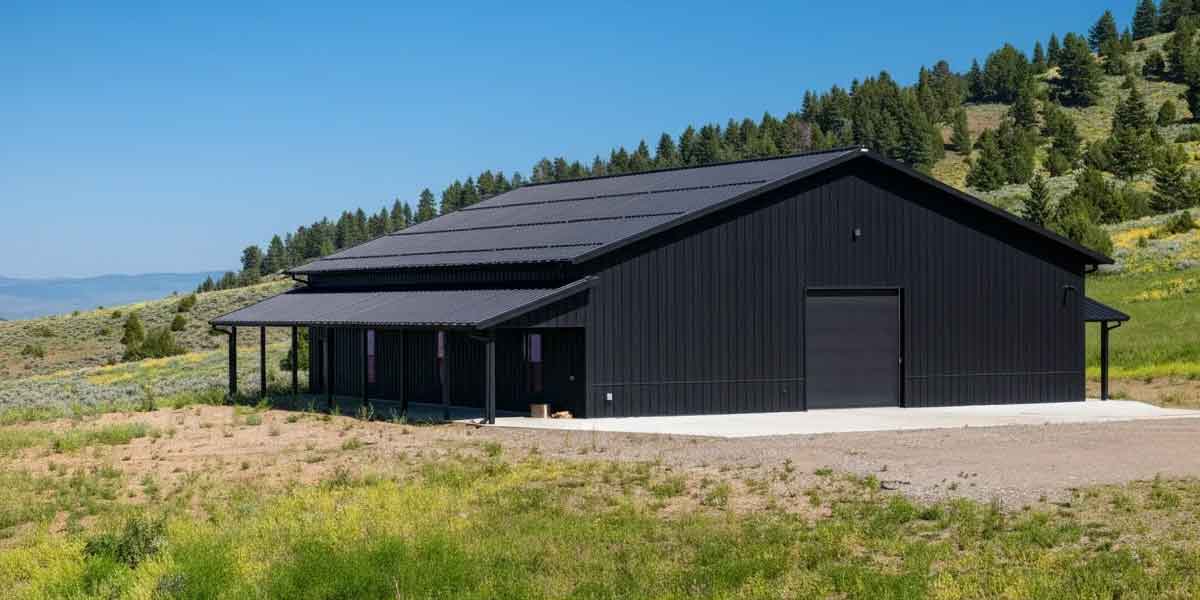
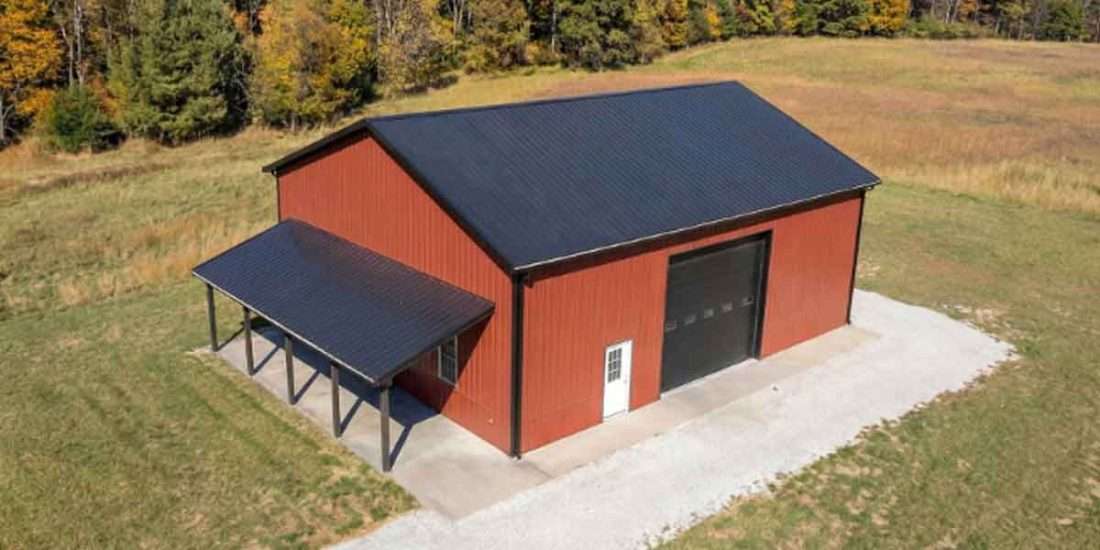
Modern steel barns offer numerous advantages over traditional wooden barns, primarily due to their resistance to moisture and structural integrity.
Durability and Longevity
Steel is inherently more durable than wood, resisting warping, rotting, and pest infiltration. Unlike wood, steel does not absorb moisture, thereby effectively minimizing the risk of mold and rot, which are common in more humid climates.
This robustness means that agricultural steel buildings are less susceptible to the issues that commonly cause crop loss, thereby providing farmers with a reliable storage solution over the long term.
Advanced Weather Resistance
Steel barns are designed to withstand extreme weather conditions, whether it’s heavy rains, strong winds, or heavy snowfall. Their structural design includes advanced systems for ventilation and insulation that can regulate internal temperature and humidity levels, keeping stored produce at optimal conditions.
Technological Innovations in Steel Barns
Beyond their inherent durability, modern steel barns incorporate advanced technologies to further enhance their protective capabilities. Key innovations include:
Advanced Insulation Techniques
Innovations in insulation allow steel barns to maintain consistent internal climates, which is transformative for protecting sensitive crops from moisture and fungi. Enhanced thermal regulation reduces the risk of condensation, which is a main facilitator of moisture damage.
Smart Ventilation Systems
Modern steel barns can be fitted with state-of-the-art ventilation systems that ensure adequate air circulation, crucial for moisture control. These systems can often be automated to respond to external weather changes, providing proactive protection against increased humidity.
Moisture Monitoring Technology
Utilizing IoT-enabled devices, farmers can monitor moisture levels inside barns in real-time. Alerts and data analytics allow for quick responses to potential moisture issues, ensuring crops remain dry and safe.
Economic and Environmental Benefits
The use of steel barns not only provides protective benefits but also offers substantial economic and environmental advantages.
Cost Efficiency
While the initial investment in steel barns may be higher than traditional barns, the long-term savings are significant. Reduced maintenance and greater crop preservation mean lower repair costs and less frequent replacement of damaged goods. Over time, the investment pays for itself.
Environmental Sustainability
Steel is one of the most recyclable materials available. Utilizing steel in barn construction aligns with sustainable building practices. The durability and longevity of steel reduce the need for regular material replacement, thereby minimizing waste.
The Future of Agricultural Storage
As the global demand for food rises alongside increasing climate uncertainties, the need for advanced, durable storage solutions becomes more pressing. The integration of technology in agricultural steel buildings positions them as the future of agricultural storage solutions.
Farmers are continually exploring new ways to integrate technology and sustainable practices into their operations. Steel barns provide a robust foundation upon which future innovations can build. With support from industry partners and government bodies like Agriculture and Agri-Food Canada (AAFC), the potential for further advancements in this field is immense.
The preservation of the harvest is critical for both economic viability and food security. Modern steel barns have proven to be an invaluable asset in protecting crops from moisture damage, offering durability, climate control, and technological enhancements that reduce the risks associated with traditional storage methods.
For Canadian farmers facing the dual challenges of climate change and global market demands, agricultural farm buildings provide not only a practical solution but a wise investment in the future of their operations.
As the agricultural industry continues to evolve, embracing modern technology and materials will be key in protecting our harvests and ensuring a sustainable future for generations to come.