
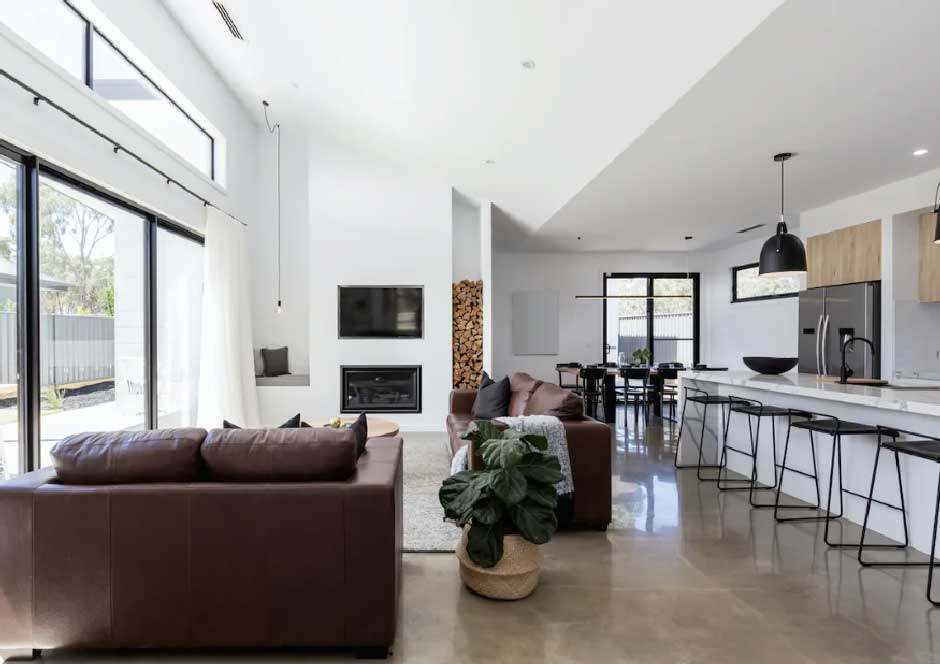
Painting Concrete Surfaces Indoors: What You Need to Know Before You Start
Painting interior concrete surfaces can transform dull, cold floors and walls into sleek, inviting spaces. While concrete offers durability, it also has unique characteristics that require special preparation and awareness before applying paint. Understanding these considerations helps you avoid costly mistakes and ensures your project lasts for years to come. Many homeowners turn to trusted professionals, such as Northwest Arkansas painters, for guidance and high-quality results.
Assessing the Surface Condition
Before painting, it’s essential to evaluate the current state of your concrete. Cracks, chips, or moisture problems should be addressed before applying any coating. Left unresolved, these issues can lead to peeling, bubbling, or uneven coverage. For indoor spaces such as basements or converted garages, proper repairs and sealing lay the foundation for long-term success.
Moisture Matters
Concrete is porous, meaning it naturally absorbs and releases moisture. Indoors, trapped water vapor can cause paint failure if not accounted for. A simple moisture test, often performed by taping a plastic sheet to the floor, can reveal whether excess dampness is present. If condensation appears underneath the sheet after 24 hours, further waterproofing or dehumidification measures are necessary before proceeding.
Choosing the Right Paint for Concrete
Not all paints are created equal. When it comes to indoor concrete, epoxy-based paints and specialized masonry coatings are often recommended for use. These products are designed to adhere to rough, porous surfaces and provide resistance to scuffs, stains, and chemicals. Using a regular wall paint on concrete will likely result in flaking and disappointment. Consulting experienced professionals, such as Northwest Arkansas painters, ensures you select coatings that fit both your surface type and your lifestyle needs.
Considering Design and Aesthetics
Painting concrete doesn’t just serve a protective purpose; it also presents an opportunity to enhance the design. Light concrete colours can brighten basements or utility rooms, making them feel more welcoming, while bold hues add personality to studios and recreation areas. Some homeowners opt for stenciling or faux finishes to further enhance the look. Since concrete tends to have a coarse texture, choosing finishes with a subtle sheen can soften the overall appearance while hiding imperfections.
Preparation Beyond Cleaning
Many people think sweeping and mopping are enough before painting concrete, but the surface often needs more. Old coatings or sealers may need to be stripped, and degreasers may be necessary if the surface has absorbed oils. Etching solutions, usually mild acids, are sometimes recommended to open up pores in the concrete, allowing the paint to bond securely. Skipping these steps risks uneven absorption and early paint failure.
Ventilation and Safety Considerations
Even indoors, painting concrete can involve strong-smelling products, such as epoxy or solvent-based coatings. Proper ventilation is crucial for protecting health and improving drying conditions. Fans, open windows, and protective gear such as respirators and gloves should be part of your setup. Families with children or pets may want to plan painting projects during times when they can minimize exposure to potential hazards.
Durability and Maintenance
Once applied correctly, painted concrete can last for years; however, regular maintenance is also part of the equation. Regular sweeping, prompt cleaning of spills, and occasional touch-ups will keep the finish looking fresh. In high-traffic areas, applying a clear protective topcoat can provide an extra layer of protection against wear and tear. For large or frequently used indoor surfaces, many homeowners find that professional expertise from Northwest Arkansas painters offers lasting peace of mind and quality assurance.
When to Call the Experts
DIY painting can be rewarding, but concrete’s unique properties sometimes make professional help a better choice. Uneven surfaces, persistent moisture problems, or a desire for specialty finishes may require skills and tools that exceed those of the average homeowner. Professionals not only deliver consistent results but also save time and reduce the risk of costly errors.
Conclusion
Painting indoor concrete surfaces is more than a cosmetic update; it’s a process that blends preparation, safety, and design to create a lasting finish. With the right products, proper planning, and, when necessary, the expertise of seasoned painters, your concrete floors and walls can become both durable and visually appealing.