
How to Choose the Right Fence for a Family Home
Choosing the right fence for a family home involves more than visual appeal. It’s a decision that shapes privacy, safety, and the feel of your outdoor space. Families often want a fence that supports their lifestyle, whether that means keeping pets secure, creating a safe play area for children, or setting a boundary that feels both welcoming and private.
Every home has different needs, depending on layout, lot size, and neighborhood culture. One family may value privacy above all else, while another is more focused on visibility and open views. Climate, maintenance preferences, and long-term costs also influence the direction you take. Click here to explore different fencing options.
Selecting the right material is part of the conversation but so is design. Together, these choices help define how your outdoor space functions.
Start with Safety and Privacy Needs
Parents of young children often rank safety as their priority. A fence that is sturdy, climb-resistant, and without large gaps can give peace of mind when kids are playing outside.
Privacy plays a big part, too. In suburban neighborhoods where homes are close together, a solid fence can create a more secluded backyard experience. For families who entertain often, this sense of personal space can be just as important as keeping pets inside the perimeter.
The height and structure of the fence make a big difference in how secure it feels. Solid panels block visibility and reduce outside noise.
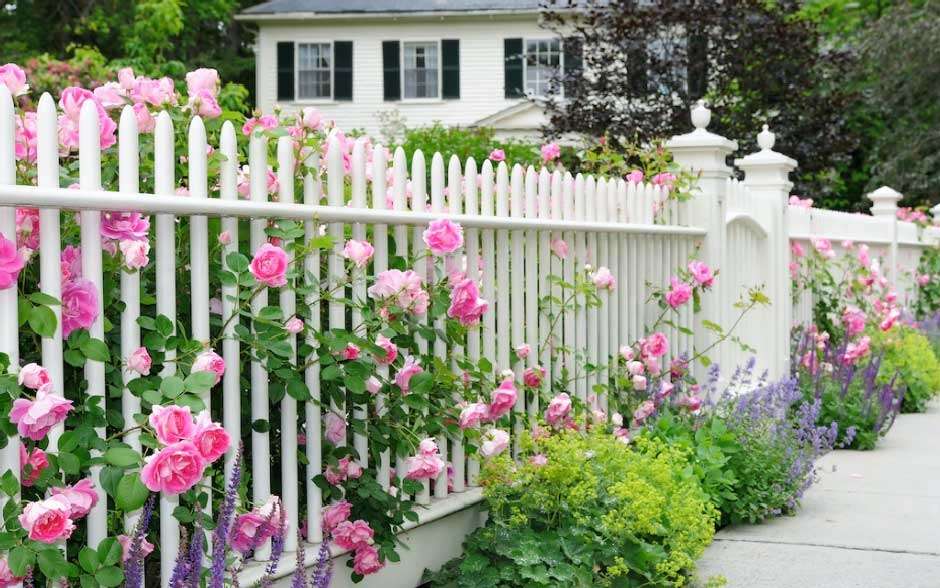
On the other hand, open designs like picket fences offer less privacy but add character to the property and encourage a neighborly atmosphere. Each household must weigh these elements against what matters most to their lifestyle.
Consider the Character of Your Home and Neighborhood
Architectural style can influence what type of fencing feels natural on your property. A craftsman-style home may pair well with painted wood fences, while a modern house might lean toward sleek, low-profile options.
Color, line style, and spacing all contribute to how a fence complements your home’s design.
Local zoning rules and HOA restrictions can also affect your options. Some communities have height limits or material guidelines. It’s wise to check these details early in the process to avoid headaches later.
Matching the style of neighboring fences can help your yard feel cohesive within the surrounding area while still giving you room to personalize.
Choosing the Right Material
Material selection is a decision that impacts maintenance, lifespan, and budget. Each option comes with its own set of strengths, and it helps to understand them in context. Families who want a low-maintenance yard often consider vinyl fencing. It resists rot, insects, and weather damage. It’s also easy to clean with soap and water.
Vinyl options come in a range of finishes and colors, including styles that mimic painted wood. This gives homeowners the charm of traditional design without the upkeep. Those who appreciate a more classic look may still prefer wood fences. They offer a warm, timeless feel that fits well with a number of home styles. Wood can be painted or stained to suit personal taste, and repairs are usually simple.
However, wood does require more attention over time. Weather exposure can lead to warping or fading, and regular sealing or painting is often necessary.
For a more modern or industrial aesthetic, an aluminum fence offers durability and visual appeal. It works well for yards with slopes since the material adapts to uneven terrain. Unlike iron, aluminum doesn’t rust, which makes it a good long-term choice in areas with high rainfall.
This type of fence can be shaped into ornate designs or kept clean and simple depending on the look you’re after.
Some families consider chain link fencing for practical reasons. It’s budget-friendly and quick to install. While it may not offer much in terms of privacy, chain link serves its purpose in containing pets or sectioning off parts of the yard. With the addition of privacy slats or landscaping, it can become more visually appealing.
Think Long-Term Maintenance and Cost
Initial cost is only one part of the equation. It helps to consider how much time and money you’re willing to invest in upkeep. Wood needs the most attention, while vinyl and aluminum usually require very little. Chain link falls somewhere in the middle; it’s easy to clean but may rust if not properly coated.
Repairs are another topic for thought. Wood may split or warp, but replacing a single board is simple. With vinyl, sections may need to be ordered to match if damaged. Aluminum is less likely to bend or break, but scratches may be noticeable. Chain link is strong but can become stretched or develop sharp edges over time.
Cost also relates to how long the fence will last. A wood fence may last 15 to 20 years with care, while vinyl and aluminum options can exceed 30 years. If the goal is to install it once and forget about it, low-maintenance materials make more sense in the long run.
Don’t Forget Curb Appeal
While function often drives the decision, appearance matters too. The fence is one of the first things visitors see. A beautiful, well-placed fence can add charm to your yard and increase property value. It frames your home and sets the tone for how the space feels.
Some materials look better when paired with certain types of landscaping. A white vinyl fence may pop against green hedges, while a cedar wood fence adds texture behind flowering plants. Metal fences, especially black aluminum, provide contrast and elegance in formal garden designs.
Color, texture, and scale all influence visual appeal. Even a simple design can feel elevated with the right touches, such as decorative caps or post trim. These small choices help the fence feel more intentional and connected to the rest of the home.
Design for Your Lifestyle
Families use their yards in different ways. Some treat the backyard as an extension of the living room, with outdoor seating, play areas, and a fire pit. Others focus more on gardening or open space for running and sports. The right fence should reflect how your family plans to use the yard.
Height and layout can affect this. Taller fences create quiet zones for private gatherings. Shorter fences define a space without blocking views. Split fencing can also work well, using taller panels around patios and shorter ones alongside yards or gardens. This allows for function and form to coexist without compromise.
Pets are another consideration. Dogs need a fence that’s tall and secure at the bottom. Cats may require more enclosed solutions, or at least fences without footholds. Knowing how your animals behave outdoors will shape what’s appropriate for your home.
Installation and Placement
Once the material and design are chosen, attention turns to placement. It’s important to know where property lines fall and how the fence will interact with landscaping or existing structures. Strategic placement can help maximize yard space and minimize disruption.
It’s also worth thinking about how gates will be used. Wide gates may be helpful for yard equipment or future projects. Smaller gates can create footpaths and improve access without interrupting the fence’s flow.
The balance between function and layout should support your daily routines without creating obstacles.
Family Fencing
Choosing a fence for a family home is both a practical decision and a personal one. It blends design, function, and lifestyle into one structure. Every family has its own rhythm and priorities. The right fence supports that rhythm, helping you feel more at ease and at home in your outdoor space.
Whether the focus is on safety, style, or simple boundaries, taking time to match materials and layout to your family’s needs will result in a space that works better every day. A thoughtful fence isn’t just about where the property ends. It’s about how you live inside those lines.