
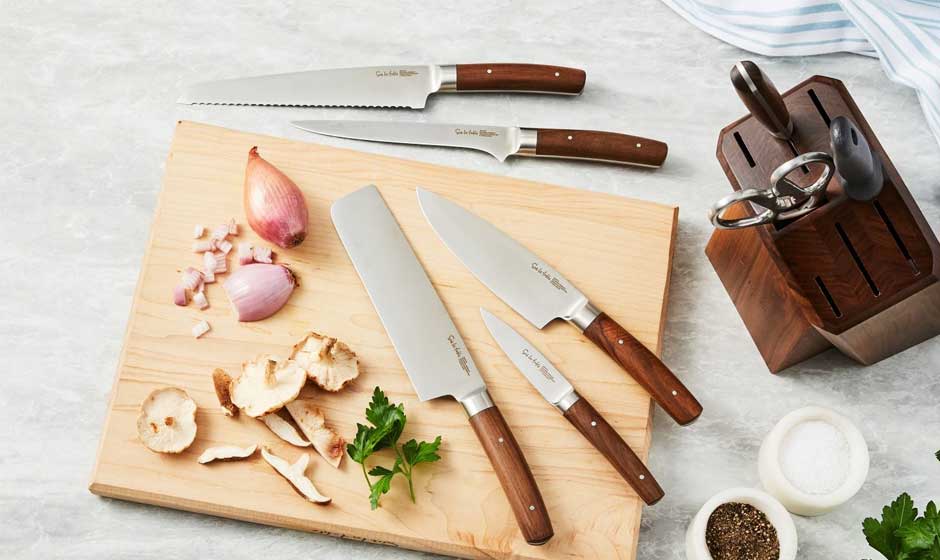
How to Choose the Best Knife for Your Kitchen
When it comes to knives and culinary tools, one of the most important purchases you will make as a cook is the chef knife set. Whether you are an aspiring home cook, a seasoned professional, or just looking to upgrade your kitchen gear, choosing the right knife can make a world of difference in your cooking experience. The right knife enhances precision, safety, and comfort, ultimately improving the efficiency and quality of your dishes.
In this article, we’ll guide you through the key factors to consider when choosing a kitchen chef’s knife. Whether you’re cutting, chopping, mincing, or slicing, the correct knife can help elevate your culinary skills to new heights.
Understand the Different Types of Chef’s Knives
Before diving into specifics, it’s important to understand that not all chef knives are created equal. There are several variations, each with its unique features. Here are the most common types:
- Traditional Western Chef’s Knife (French Knife): Typically, 8 inches long with a wide, curved blade that allows for a rocking motion when chopping. This knife is versatile and commonly used in Western kitchens.
- Japanese Santorum Knife: Shorter than the Western chef’s knife, usually between 5 to 7 inches. Its flat blade and slight curve make it great for cutting, chopping, and mincing. This knife is ideal for those who prefer a light and precise cutting tool.
- Japanese Gyuto Knife: Similar to a Western chef’s knife but thinner and lighter. It excels in tasks like chopping, dicing, and slicing. It’s great for delicate cutting but still robust for heavier tasks.
- Damascus Knives: Damascus Blades are famous for their distinctive, layered patterns in the blade, created by forging different types of steel together.
Knowing the differences between these knives will help you choose the one that best fits your needs.
Blade Material: Stainless Steel, Carbon Steel, or Ceramic?
The blade material is perhaps the most important factor in determining the quality, durability, and performance of a chef’s knife. Each material has its advantages and disadvantages:
- Stainless Steel: The most common and versatile material. Stainless steel knives are resistant to rust and corrosion, making them easy to maintain. However, they can lose their sharpness over time, especially if they are not properly cared for.
- Carbon Steel: Offers superior sharpness and edge retention. Carbon steel knives can be honed to a razor-sharp edge, but they require more maintenance as they are prone to rust and staining. If you choose a carbon steel knife, be prepared for regular oiling to maintain its condition.
- Damascus Steel: Known for its sharpness and premium customized design. Damascus steel knives are sharp and durable and beautiful and well known for their full set of kitchen knives.
When choosing a blade material, consider your level of expertise and willingness to maintain the knife.
Blade Length: Finding the Right Size for Your Needs
Chef knives come in various sizes, usually ranging from 6 to 12 inches. The length you choose depends on your personal preference and the tasks you’ll be performing.
- 6-7 Inch Knives: These smaller knives are perfect for cooks who prefer a lightweight and more manoeuvrable tool. Ideal for precision cutting, dicing vegetables, and performing intricate tasks.
- 8-Inch Knives: This is the most common size for a standard chef’s knife. It offers a balance of size and control, making it versatile enough for a wide range of tasks.
- 10-12 Inch Knives: Larger knives are great for heavy-duty tasks, such as chopping large cuts of meat or working with larger vegetables like squash. However, they can be difficult to control for smaller tasks, so they’re typically used by experienced cooks.
Handle Design: Comfort and Grip Are Key
The handle of a chef’s knife plays a crucial role in how it feels during use. A comfortable and ergonomic handle ensures a secure grip, allowing you to work more efficiently and with less fatigue. Here are some factors to consider when selecting the handle:
- Material: Handles can be made from wood, plastic, or composite materials. Wooden handles, often made from hardwoods like walnut, offer a classic and aesthetic appeal. However, they require more care to maintain. Plastic handles are durable, lightweight, and easy to clean but may not offer the same tactile feedback as wood. Composite handles combine the best of both, offering durability and comfort.
- Shape and Grip: The shape of the handle should fit comfortably in your hand. Test the grip before purchasing; the handle should feel natural when holding the knife in a working position. Knives with contoured handles are often better for long-term use.
- Tang: The tang refers to the portion of the blade that extends into the handle. A full tang provides more balance, strength, and control compared to a partial tang. For serious cooking, a full tang is often preferred for its stability.
Weight and Balance: Finding the Right Weight for You
The weight and balance of a knife significantly affect how it feels during use. A knife that’s too heavy may tire your hand quickly, while one that’s too light may lack the control needed for precision cuts. The ideal weight depends on your personal preference and cutting style.
- Heavier Knives: Offer more force with each cut and can be useful for tasks like cutting through dense meats or large vegetables. However, they require more strength and precision in handling.
- Lighter Knives: Provide better control and are easier to manoeuvre. These are ideal for detailed tasks like filleting fish or dicing herbs.
It’s important to find a knife that feels balanced when held. It should not feel top-heavy or too light in the handle. Proper balance enhances comfort and reduces the effort required for cutting.
Price Range: Investing in Quality
Chef’s knives come in a wide range of prices, from budget-friendly options to high-end, professional-grade knives. Here’s a general breakdown of what you can expect at different price points:
- Budget Knives: Prices range from $20 to $60. These knives are typically made from stainless steel and may not hold their edge as long as more expensive knives, but they’re suitable for beginners or home cooks on a budget.
- Mid-Range Knives: Prices range from $60 to $150. These knives often feature better materials and construction, such as higher-quality stainless steel or a full tang. They offer a good balance of performance and value.
- Premium Knives: Prices range from $150 to $500+. Premium brands like Jun Knives and shun and often feature high-carbon steel, superior craftsmanship, and a more ergonomic design. These knives are built to last and perform at a professional level, making them ideal for chefs and cooking enthusiasts who value precision and longevity.
Maintenance and Care
A good chef’s knife is an investment, and proper maintenance ensures that it lasts for years. Here are a few maintenance tips to keep your knife in top condition:
- Sharpen Regularly: Even the best knives lose their edge over time. Use a sharpening stone, honing rod, or professional sharpening service to keep the blade sharp.
- Hand Wash Only: Avoid putting your knife in the dishwasher, as it can damage the blade and handle. Always wash by hand with warm water and a mild detergent, and dry immediately.
- Store Properly: Use a knife block, magnetic strip, or protective sleeve to store your knife safely. Avoid tossing it into a drawer where it can become dull or damaged.
Conclusion: Choose Wisely for Better Cooking Results
Choosing the right kitchen chef’s knife is a personal decision that requires balancing factors such as blade material, handle design, weight, and price. The best knife for you will be one that suits your cooking style and feels comfortable in your hand. Whether you’re looking for a versatile Damascus chef knife, a sharp and lightweight Japanese Santoku, or a powerful Bunka knife , understanding these key elements will help you make an informed choice.
By investing in a high-quality chef’s knife and maintaining it properly, you’ll not only improve your cooking experience but also elevate the quality of your meals. The right knife will make meal preparation smoother, safer, and more enjoyable for years to come.