
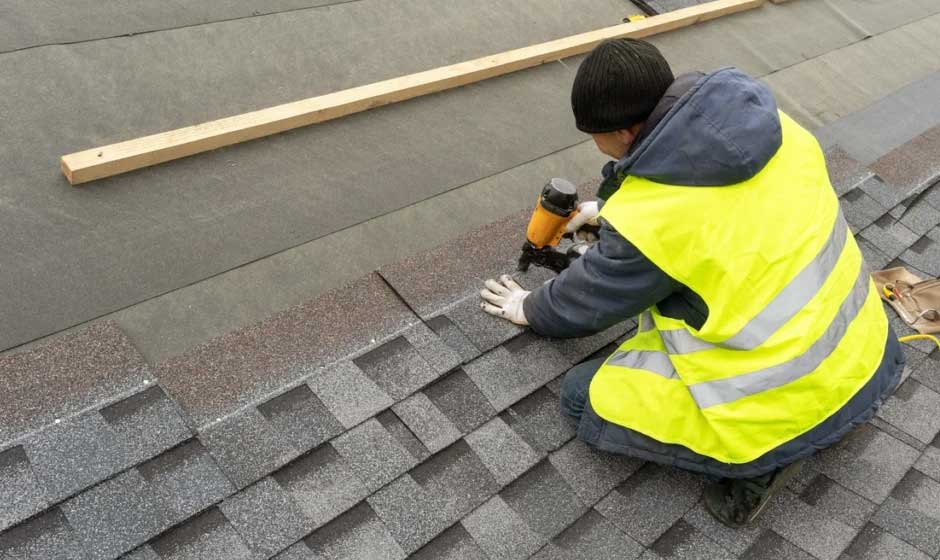
How Long Does a Professional Roof Replacement Typically Take?
Replacing your roof is a big decision for any homeowner. It’s not just about improving appearance, it’s about safety and protection. While the thought of construction may seem overwhelming, understanding the process helps ease those concerns. The timeline varies, but experienced crews aim to keep it as short and smooth as possible.
A professional roof replacement ensures your home stays protected through every season. In many cases, the entire project can be completed within just a few days. Factors such as weather, materials, and roof design all play a role in determining the time it takes. This article breaks down the factors that influence the process and the typical duration of each phase.
Project Scope Shapes the Timeline
One of the most significant factors is the size and layout of the roof. A small single-story home may only need a day or two. A large or complex design may require an additional few days. Features such as steep slopes, skylights, and multiple valleys add to the complexity of the work.
Crews must also consider safety. Steeper angles require extra precautions and slower movement. Structures with unique shapes need custom cuts and adjustments. These details affect the overall duration of the job. Professionals aim for speed, but never at the cost of quality or safety.
Tear-Off Time Adds a Layer
If your old roofing needs to be removed entirely, expect extra time. Tearing off old material can take several hours or even a whole day. The condition of the previous layer matters too. Water damage, mold, or soft decking adds delays.
Once stripped, workers inspect the wood beneath. If any of it needs replacing, that adds more labor. Clean decking is essential for a firm new surface. Repairs are made immediately, ensuring the new layer lasts longer. Though this step extends the timeline, it ensures the results are reliable.
Weather Conditions Can Shift the Schedule
Rain, strong wind, or extreme heat can slow things down. Roofing in bad weather is risky for workers and harmful to materials. Professionals monitor forecasts closely and may pause work if conditions aren’t safe.
Even one day of rain can delay progress by two. Crews often cover exposed areas and return when the surface is dry. Scheduling during milder months may help avoid weather-related delays. While the weather is beyond control, experts know how to adapt without sacrificing quality.
Materials and Delivery Play a Role
The materials used can impact installation time. Asphalt shingles are faster to install than tile or metal. Lightweight products go on smoothly, while heavier ones take extra care. Some materials require underlayment or special fasteners, which add hours.
Delivery timing also matters. If materials arrive late or are missing components, the job stalls. Reputable installers plan and confirm all necessary supplies before commencing work. Choosing a standard product helps avoid shipment delays. When everything is ready on time, the job stays on track.
Number of Workers Affects Speed
A larger crew can complete a job much faster. With more hands, tasks such as tear-off, underlayment, and shingle placement can be completed simultaneously. A small team moves more slowly, especially on larger homes.
The level of coordination also matters. Skilled teams work in phases, with one group removing material while another prepares the next section. This overlap shortens the timeline without cutting corners. Experience and teamwork enable us to meet deadlines efficiently and with care.
A professional roof replacement typically ranges from one to five days, depending on the size and complexity of the home. Factors such as weather, material choice, and crew size play a significant role. With skilled help and proper planning, the process stays smooth and stress-free. A new roof brings peace of mind and long-lasting protection when done right.