
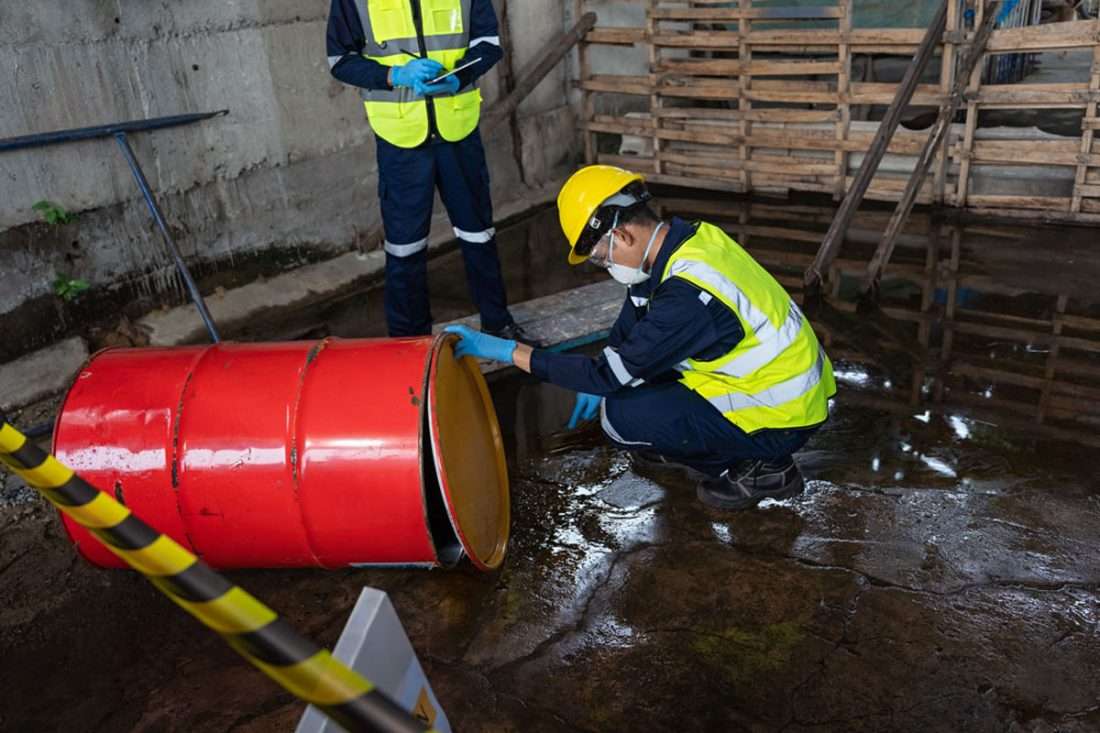
Chemical Spill Cleanup: What Businesses Should Know After a Spill
Chemical spills can happen in many environments, including manufacturing facilities, warehouses, laboratories, construction sites, transportation yards, and commercial properties. A leaking container, damaged drum, equipment failure, or accidental release can create safety and environmental concerns within a short period of time.
A chemical spill should never be treated like an ordinary cleaning task. The substance may be corrosive, flammable, toxic, reactive, or otherwise hazardous. The appropriate response depends on the material, quantity, location, and circumstances surrounding the release.
Understanding the basic steps involved in professional spill response can help businesses prepare for unexpected incidents and reduce unnecessary risks.
What Makes a Chemical Spill an Emergency?
The seriousness of a spill depends on several factors. The identity of the chemical, amount released, location, ventilation, surrounding materials, and possibility of exposure all influence the appropriate response.
A small spill inside a controlled area may require a different approach than a large release near a storm drain or public area. Unknown substances can also present additional challenges because responders may not know their characteristics immediately.
Employees should follow their company’s emergency procedures and avoid approaching or handling a substance unless they have the appropriate training and authorization.
Professional Chemical Spill Cleanup can provide the specialized equipment, procedures, and trained personnel needed to safely manage a hazardous release.
Immediate Steps After a Chemical Spill
When a chemical spill occurs, safety should come before cleanup. Employees should move away from the affected area when necessary and follow established evacuation or emergency procedures.
The spill area may need to be isolated so unauthorized personnel do not accidentally come into contact with the substance. If anyone may have been exposed, appropriate emergency medical procedures should be followed.
Employees should not attempt to identify an unknown substance by touching, smelling, or otherwise interacting with it.
Once the situation is under control, trained professionals can evaluate the spill and determine the appropriate response strategy.
Why Professional Spill Response Matters
Chemical cleanup requires more than removing visible liquid from a surface. Depending on the material, contamination may affect flooring, equipment, soil, drainage systems, containers, or other nearby materials.
Professional responders can assess the affected area and determine appropriate containment and cleanup procedures. They may also use specialized protective equipment and tools designed for hazardous materials.
The response process can include containment, recovery, decontamination, waste handling, and restoration of affected areas, depending on the circumstances.
Finding Chemical Spill Cleanup Services Near Me
When a spill occurs, businesses may search for Chemical Spill Cleanup Services Near Me to find a qualified response provider quickly.
Speed is important, but businesses should also consider the responder’s experience with the type of material involved. A company that regularly handles chemical releases, industrial spills, or environmental cleanup may be better prepared to address complicated incidents involving hazardous substances.
Before an emergency occurs, businesses can identify qualified providers and keep their contact information accessible to appropriate personnel. This eliminates the need to search for a service provider while an incident is already developing.
Containing a Chemical Spill
Containment is often an important part of spill response. Preventing a chemical from spreading can help limit the affected area and reduce the potential for additional exposure or environmental impact.
Depending on the substance and location, trained responders may use specialized absorbents, barriers, recovery equipment, or other containment methods.
Particular attention may be necessary when a spill occurs outdoors. Chemicals that reach storm drains, soil, or waterways can create broader environmental concerns.
Employees should only perform containment activities if they are trained and authorized to do so. Using inappropriate materials or methods can create additional hazards.
Protecting Drains and Waterways
One of the major concerns during an outdoor chemical spill is preventing the substance from reaching drainage systems. Once a chemical enters a storm drain, it may travel beyond the original spill location and become significantly more difficult to recover.
Professional environmental response teams can evaluate the direction of flow and establish appropriate containment measures when conditions allow.
Businesses that store or use chemicals should also understand where drains are located on their property and maintain appropriate spill prevention procedures.
Cleanup Is More Than Removing Visible Material
A surface can appear clean while contamination remains. Chemicals may seep into porous materials, collect beneath equipment, or affect surrounding soil.
Professional cleanup may therefore involve removing contaminated materials, cleaning affected surfaces, and assessing areas surrounding the original spill.
The exact process depends on the characteristics of the substance and the environment in which the spill occurred.
This is one reason chemical releases should be handled according to established procedures rather than treated as ordinary maintenance work.
Handling Contaminated Waste
Spill cleanup can generate waste that requires specialized handling. Used absorbents, contaminated protective equipment, damaged containers, recovered liquids, and other materials may need to be managed according to applicable requirements.
Improper disposal can create additional environmental concerns and potentially expose workers or other people to hazardous substances.
A qualified cleanup provider can help determine how recovered materials should be packaged, transported, and disposed of based on the nature of the incident.
Common Causes of Chemical Spills
Businesses can experience chemical spills for many different reasons. Damaged containers, forklift accidents, leaking pipes, equipment failures, improper storage, transportation incidents, and human error can all contribute to accidental releases.
Regular inspections can help identify potential problems before they become emergencies. Containers should be checked for visible deterioration, storage areas should be maintained appropriately, and employees should understand established handling procedures.
Businesses can also review their spill response plans regularly to make sure emergency information remains accurate.
Preparing Employees for a Spill
Employees who work around hazardous substances should understand the basic emergency procedures that apply to their workplace.
Training can cover how to report a spill, when to evacuate, how to restrict access, where emergency information is stored, and whom to contact for professional assistance.
Employees should also understand the limits of their responsibilities. Not every spill should be handled by on-site staff, especially when the material is unknown or presents significant exposure concerns.
Knowing when to step away and request professional assistance is an important part of effective emergency planning.
Creating a Practical Spill Response Plan
A business’s spill response plan should be easy for employees to understand and access. It can include emergency contacts, evacuation procedures, facility maps, chemical inventories, storage information, and instructions for reporting incidents.
The plan should also account for outdoor areas where spills could reach drains, soil, or waterways.
Regularly reviewing the plan can help businesses identify gaps before an actual emergency occurs. Contact information should be updated whenever response providers or responsible personnel change.
Protecting People, Property, and the Environment
Chemical spills can create several challenges at the same time. Businesses may need to protect workers, prevent the material from spreading, limit property damage, and address potential environmental impacts.
Professional Chemical Spill Cleanup can help businesses move from immediate containment toward controlled recovery and restoration.
For organizations searching for Chemical Spill Cleanup Services Near Me, identifying a qualified response provider before an incident occurs can make emergency planning much easier. When a chemical release happens, having clear procedures and experienced professionals available can help reduce confusion and support a safer, more organized response.
The most effective approach to chemical spills combines preparation, appropriate safety procedures, professional response when necessary, and responsible cleanup. Taking these steps can help businesses respond more effectively while protecting their employees, property, and surrounding environment.