
The Winter Grit You Don’t See: Hidden Salt and Cinders That Linger on Your Car Until Spring
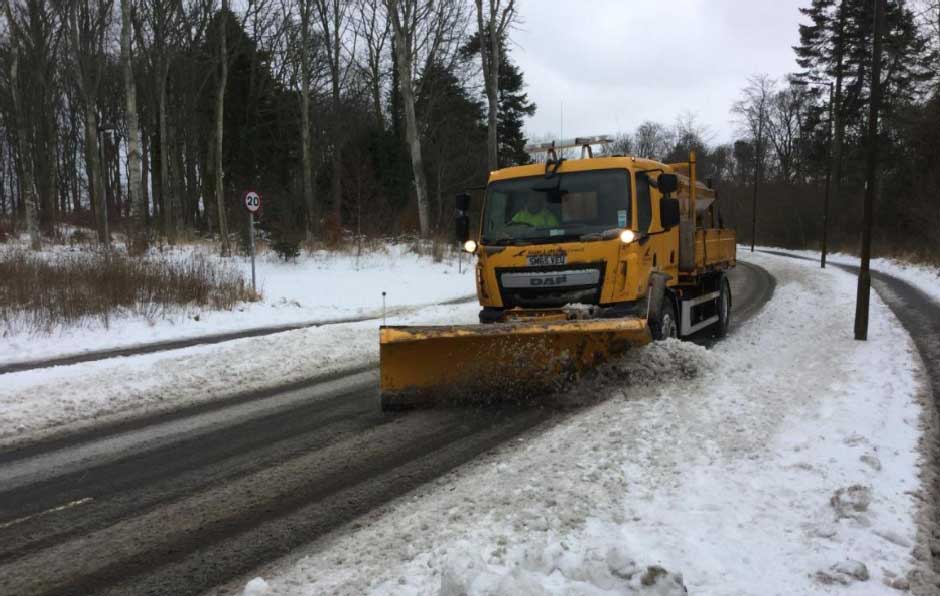
Winter driving often leaves vehicles coated with visible grime, slush, and mud. Most drivers wash their cars to remove what they can see, but some of the most damaging winter debris remains hidden. Salt, sand, and cinders spread on roads for traction can settle into seams, wheel wells, and underbody components where they linger for months. Many vehicle owners schedule auto detailing in Charlotte, NC, after winter to remove this buildup and restore surfaces that may have been exposed to corrosive materials during colder months.
Even when the exterior paint looks clean, small particles from winter road treatments can remain trapped in areas that routine car washes miss. Over time, these materials attract moisture, which accelerates corrosion. Understanding how winter grit affects a vehicle helps drivers take steps to prevent long-term damage before warmer weather arrives.
Why Road Salt Sticks Around
Road salt plays an important role in keeping highways safe during icy conditions. Deicing salt lowers the freezing point of water, helping reduce dangerous road conditions during winter storms.
However, the same chemical properties that melt ice can also speed up corrosion on metal surfaces. When salt collects on a vehicle and mixes with moisture, it creates an environment that encourages rust. Door seams, brake components, and undercarriage panels are especially vulnerable because residue can accumulate there unnoticed. Removing salt early helps prevent gradual deterioration that might otherwise appear months later.
Sand and Cinders Create Hidden Abrasion
In addition to salt, transportation departments often spread sand and cinders to improve tire traction on icy roads. While these materials help drivers maintain control, they also produce fine particles that bounce against vehicle surfaces while driving.
These tiny abrasives can slowly scratch paint, dull clear coats, and leave swirl marks that are difficult to remove with regular washing. Drivers who notice these imperfections later in the year sometimes rely on paint correction specialists to restore clarity and remove minor surface damage caused by winter debris. Keeping the paint protected during the season helps minimize these abrasive effects.
Where Winter Debris Collects
Some of the most stubborn winter residue collects in areas that drivers rarely inspect. Wheel wells, suspension components, and the underside of the vehicle tend to trap salty slush and road grit.
As snow melts and refreezes repeatedly, these deposits can become compacted into tight spaces. Moisture held within this residue keeps corrosive materials in contact with metal for extended periods. Professional cleaning methods can reach these areas more effectively than basic washing, helping remove contaminants that accumulate during months of winter driving.
Protective Solutions for Exterior Paint
Preventive protection can help shield painted surfaces from seasonal debris. One option drivers consider is paint protection film Charlotte services, which apply a transparent protective layer over vulnerable areas of the vehicle.
This thin film acts as a barrier between the paint and road debris, helping reduce the impact of sand, cinders, and small stones. High-exposure sections such as the hood, bumper, and mirror caps benefit most from this added protection. Applying protective film before winter driving conditions begin can help preserve the original finish.
Durable Surface Coatings
Another way drivers safeguard their vehicles is by applying ceramic coating Charlotte NC products. Ceramic coatings bond with the clear coat and create a slick, durable layer that repels water and contaminants.
Because salt and grime have a harder time sticking to coated surfaces, vehicles often remain easier to clean during the winter months. The coating also enhances gloss and helps preserve the vehicle’s appearance after exposure to harsh seasonal conditions. This protective barrier can reduce the long-term effects of winter debris on painted surfaces.
Visibility and Glass Protection
Winter roads often leave streaks of salty spray on vehicle windows, which can reduce visibility during sunrise or sunset. The National Highway Traffic Safety Administration notes that maintaining clear visibility is an important part of safe winter driving
Installing car window tinting in Charlotte can improve comfort and reduce glare reflected from snow-covered roads. Window tint also adds a protective layer that helps shield interior materials from sun exposure once the weather warms again. Maintaining clear visibility is an important part of safe year-round driving.
Conclusion
The most damaging effects of winter road treatments are often the ones drivers never notice right away. Salt, sand, and cinders can remain hidden on a vehicle long after the snow disappears, quietly contributing to corrosion and surface wear. Addressing this buildup before spring arrives helps protect a vehicle’s appearance and structural components. For many drivers, scheduling auto detailing in Charlotte, NC after winter provides a practical way to remove lingering debris and restore the vehicle after months of exposure to harsh road conditions.