
A Hobbyist’s Guide to Ethically Sourcing Marine Aquarium Life
Introduction: The Rise of the Conscious Aquarist
The mesmerizing beauty of a saltwater fish tank is a joy for many. We love watching our marine fish, corals, and invertebrates thrive. But our hobby carries a big responsibility.
Every creature in our tanks comes from somewhere. The way these animals are collected or bred can deeply affect our delicate ocean ecosystems. As conscious aquarists, we want to ensure our passion does not harm the very environments we admire.
This extensive guide will help you steer ethical marine sourcing. We will show you how to choose sustainable fish, corals, and invertebrates. You will learn about responsible live rock options and how to vet your suppliers.
Our goal is to empower you to build a healthy, thriving saltwater tank. One that you can be proud of, knowing you are contributing to a healthier ocean.
Understanding Sustainable Marine Aquaculture and Responsible Collection
The journey of a marine animal from its natural habitat or breeding facility to our home aquariums is complex. As hobbyists, understanding this journey is crucial for making ethical choices. We often encounter terms like “aquaculture” and “wild collection,” and knowing the difference, along with their implications, is the first step toward responsible marine aquarium keeping.
Aquaculture, in the context of marine organisms for our tanks, refers to the farming of aquatic animals and plants in controlled environments. This can range from large-scale commercial operations to small, dedicated home breeders. The primary benefit of aquaculture is that it reduces the pressure on wild populations, allowing natural reefs to recover and thrive undisturbed.
On the other hand, wild collection involves harvesting marine life directly from the ocean. While not inherently bad, certain methods of wild collection can be devastating. Cyanide fishing, for instance, is a particularly destructive practice where cyanide is sprayed onto coral reefs to stun fish, making them easier to catch. This toxic chemical not only harms the fish, often leading to a slow and painful death for many that don’t even make it to market, but also destroys the delicate coral polyps and other marine life in the vicinity. The long-term effects of such practices are catastrophic for entire reef ecosystems.
Beyond cyanide, over-collection is another significant risk associated with unregulated wild harvesting. When too many specimens are removed from a specific area, it can disrupt the ecological balance, deplete local populations, and even push certain species towards endangerment. This is particularly true for popular aquarium species that are slow to reproduce or have very specific habitat requirements.
By prioritizing sustainably sourced organisms, we contribute to healthier livestock in our own aquariums and, more importantly, reduce the demand for destructive collection methods. This shift in consumer behavior can lead to a significant reduction in pressure on wild reefs, allowing them to flourish for future generations.
The Benefits of Sustainable Marine Aquaculture for Hobbyists
For us, the aquarists, choosing aquacultured marine life offers a host of tangible benefits that directly impact the success and enjoyment of our saltwater fish tank.
Firstly, aquacultured fish and invertebrates are typically hardier. They are born and raised in captive environments, meaning they are already accustomed to aquarium life. This significantly reduces the stress associated with capture, transport, and adaptation to a new home. Wild-caught specimens, especially those from deep waters or remote locations, often endure immense stress and physical trauma before reaching our tanks.
Secondly, these animals are often pre-acclimated to aquarium water parameters and prepared foods. They have not been exposed to the unpredictable conditions of the ocean, or the parasites and diseases prevalent in wild populations. This means they are less likely to carry pathogens that could infect an entire display tank, making them a safer choice for our established ecosystems. Their diet is usually consistent and nutritious, leading to healthier growth and vibrant coloration.
The reduced stress and exposure to disease translate into a higher survival rate for aquacultured specimens. This means less heartache for us and a more stable, thriving saltwater fish tank. Furthermore, supporting aquaculture encourages innovation in breeding techniques and species diversification, potentially introducing new and exciting species that can thrive in captivity.
Identifying Responsibly Wild-Caught Specimens
While aquaculture is the ideal, some species are not yet available as captive-bred or aquacultured. In such cases, it becomes our responsibility to ensure that any wild-caught specimens we purchase have been collected using ethical and sustainable methods.
The gold standard for responsible wild collection involves net-caught methods. These techniques, when performed correctly, minimize stress and injury to the target species and avoid collateral damage to the reef environment. Divers using hand nets can selectively catch individual fish, leaving others to maintain the local population.
Transparency about collection location and methods is a key indicator of a reputable supplier. Look for retailers who can provide detailed information about where and how their wild-caught fish were obtained. Many ethical suppliers work with reputable collector networks that adhere to strict guidelines and prioritize the long-term health of the reef.
Don’t hesitate to ask your retailer questions: “Where did this fish come from?” “How was it collected?” “Can you tell me about your supplier’s practices?” A knowledgeable and ethical retailer should be able to answer these questions confidently. Short supply chains, where the fish moves quickly from collector to exporter to importer to retailer, also reduce stress and mortality rates. Organizations like the Marine Aquarium Council (MAC) have historically played a role in certifying sustainable collection practices, though their current status and impact may vary. Supporting businesses that value and promote these practices is essential for the future of our hobby.
Building an Ethical Ecosystem: Fish, Corals, and Inverts
Creating a thriving saltwater fish tank is a journey of careful planning and responsible choices. When we build an ethical ecosystem, we consider not just the immediate beauty of our livestock, but also their long-term well-being and the impact of our choices on the broader marine environment. This involves thoughtful livestock selection, understanding species-specific needs, and committing to long-term planning.
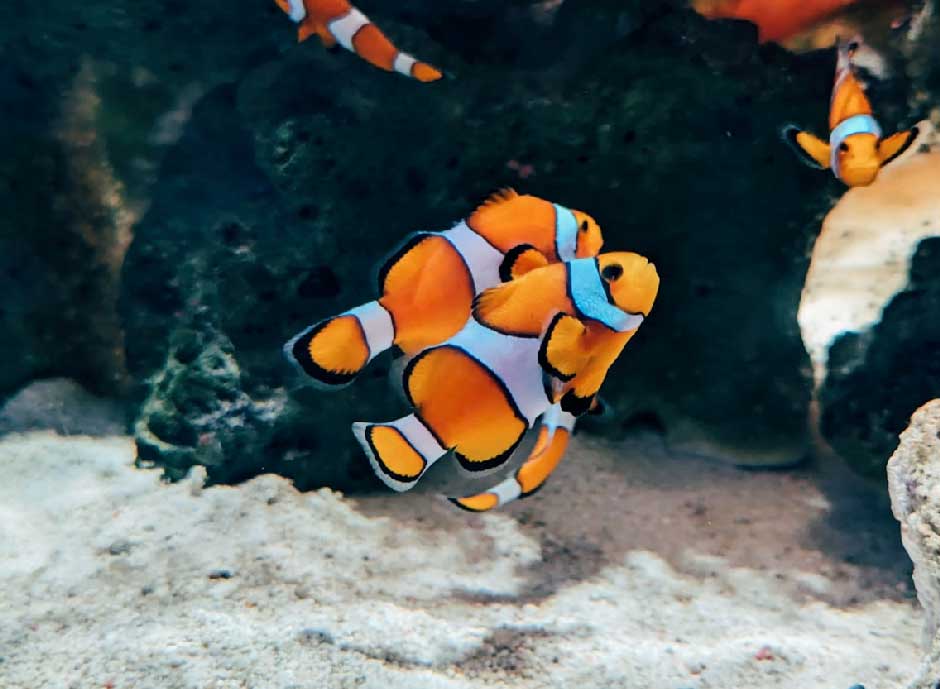
A pair of captive-bred clownfish near an anemone, exemplifying sustainable choices.
Prioritizing Captive-Bred and Aquacultured Fish
When stocking our saltwater fish tank, prioritizing captive-bred and aquacultured fish is one of the most impactful decisions we can make. These fish are a product of dedicated breeding programs, designed to produce healthy, robust specimens that are already accustomed to aquarium life.
Some of the most common and successful captive-bred species include:
- Clownfish:Perhaps the most iconic captive-bred marine fish, available in a dazzling array of designer varieties.
- Dottybacks:Hardy and colorful, many species are regularly bred in captivity.
- Gobies:A diverse group, with many popular species like watchman gobies and shrimp gobies now available as captive-bred.
- Blennies:Including popular choices like the Midas blenny and tailspot blenny.
By choosing these species, we directly support the breeders and scientists who are advancing marine aquaculture. This, in turn, reduces the demand for wild-caught alternatives, alleviating pressure on natural populations and fragile reef ecosystems. Moreover, captive breeding programs often lead to greater genetic diversity within the captive population over time, making them more adaptable and resilient. This approach ensures that our hobby can continue to flourish without depleting the ocean’s finite resources.
The World of Coral Fragging and Aquaculture
The ethical sourcing of corals for our reef tanks has also seen significant advancements through fragging and aquaculture. Coral fragging is the practice of breaking off a small piece, or “frag,” from a larger, healthy coral colony. This frag is then allowed to grow into a new, independent colony. This method is inherently sustainable as it doesn’t require harvesting entire wild colonies.
Aquacultured corals are those that have been grown in controlled environments, often from frags or small starter colonies. These can be grown in dedicated land-based facilities or in ocean-based nurseries (mariculture). Mariculture involves growing corals in their natural environment but under controlled conditions, often on artificial substrates, before they are harvested for the aquarium trade.
The benefits of aquacultured corals are numerous. They are typically pest-free, as they haven’t been exposed to the myriad of pests and diseases that can hitchhike on wild colonies. They are also often hardier and more accustomed to the conditions found in home aquariums, leading to better survival rates and faster growth. By purchasing aquacultured corals, we support sustainable practices and contribute to the growth of the coral farming industry, which can also play a role in reef restoration efforts. This sustainable growth model ensures a continuous supply of beautiful corals for our tanks without further impacting wild reefs.
Sustainable Choices for Invertebrates
Invertebrates play vital roles in our saltwater fish tank, from algae control to detritus removal. Making sustainable choices for our clean-up crews and other inverts is just as important as selecting ethical fish and corals.
Many popular invertebrates are now being aquacultured or tank-bred. For instance, various species of shrimp, such as cleaner shrimp and peppermint shrimp, are successfully bred in captivity. Similarly, certain species of snails, crucial for algae control, are often tank-bred. These aquacultured options offer the same benefits as captive-bred fish: they are healthier, less stressed, and less likely to introduce pests or diseases.
When sourcing invertebrates, always inquire about their origin. Avoid any vendors who cannot provide clear information or who seem to rely on practices that might involve destructive harvesting. For example, some collection methods for certain starfish or sea cucumbers can be harmful to their natural habitats. By choosing aquacultured shrimp, tank-bred snails, and other responsibly sourced clean-up crew members, we ensure that our ethical ecosystem extends to every inhabitant of our saltwater fish tank.
The Foundation of a Sustainable Tank: Live Rock and Best Practices
The very foundation of a healthy saltwater fish tank often begins with its rockwork. Live rock provides essential biological filtration, a home for beneficial bacteria, and structure for our aquascape. However, the sourcing of live rock has historically been a significant environmental concern. As conscious aquarists, we must understand the evolution of live rock sourcing and accept more sustainable alternatives.

Beyond the initial setup, responsible aquarium keeping also involves diligent practices like quarantining new arrivals and carefully vetting our suppliers. These steps are critical not only for the health of our individual tanks but also for supporting broader conservation efforts within the marine aquarium trade.
A beautifully aquascaped tank utilizing man-made rock, showcasing sustainable aesthetic and biological benefits.
From Wild Harvest to Sustainable Marine Aquaculture: The Evolution of Live Rock
Traditionally, “live rock” was wild-harvested coral skeleton, often taken directly from natural reefs. While this rock provided excellent biological filtration due to the beneficial bacteria and micro-organisms it harbored, its collection contributed to the degradation of precious coral reef ecosystems. The removal of large quantities of rock could damage the reef structure, displace marine life, and slow down natural regeneration.
Fortunately, the industry has evolved. Today, we have several sustainable alternatives that offer the same, if not superior, benefits without the environmental cost:
- Aquacultured Live Rock:This rock is farmed in designated ocean areas or land-based facilities. It’s typically inert rock that is placed in the ocean for an extended period, allowing bacteria, algae, and small invertebrates to colonize it naturally. This process creates “live rock” without disturbing established wild reefs.
- Man-Made Rock Alternatives:These are artificial rocks, often ceramic or concrete-based, designed to mimic the porous structure of natural live rock. They are completely inert and provide an excellent surface area for beneficial bacteria. Once introduced into an aquarium, they quickly become “live” as bacteria colonize them.
- Dry Rock:This is essentially inert, natural rock (often aragonite or limestone) that has been cleaned and dried, or it can be man-made rock. It contains no living organisms, pests, or hitchhikers. While it requires a longer cycling period to become fully “live” with beneficial bacteria, it is one of the most environmentally friendly options and often more affordable. We can accelerate the process by “seeding” it with a small piece of aquacultured live rock or a bacterial starter culture.
Choosing these sustainable options helps us create a biologically robust saltwater fish tank while actively participating in the conservation of global coral reefs.
How to Vet Your Sources and Be a Responsible Consumer
Being a responsible consumer means asking tough questions and doing our homework. Our choices have power, and by directing our purchases towards ethical suppliers, we encourage the entire industry to adopt more sustainable practices.
When visiting your Local Fish Store (LFS) or browsing online vendors, don’t be afraid to engage them in conversation. Ask about their sourcing policies for fish, corals, and invertebrates. Inquire about their suppliers and if they actively seek out captive-bred or aquacultured options. A reputable LFS will be transparent and proud to share their commitment to ethical sourcing. They might even have dedicated sections for aquacultured items.
For online vendors, look for clear statements on their websites regarding sourcing. Do they list the origin of their livestock? Do they offer a wide selection of captive-bred species? Understanding the complexities of Global marine fish sourcing is key to making informed decisions. Some suppliers specialize in specific types of sourcing, such as those who work exclusively with certified sustainable collectors or aquaculture facilities.
Finally, the importance of quarantine cannot be overstated, regardless of the source. Even the most reputable suppliers can inadvertently introduce pests or diseases. A dedicated quarantine tank allows new arrivals to be observed, treated if necessary, and acclimated to your water parameters in isolation. This simple step protects your existing display tank and its inhabitants from potential harm, ensuring a healthier and more stable environment for all.
Frequently Asked Questions About Ethical Marine Sourcing
As we strive to be more conscious aquarists, many questions naturally arise about the terminology and practices within ethical marine sourcing. Let’s address some common queries to help clarify our understanding and empower us to make the best decisions for our saltwater fish tank and the ocean.
Is “tank-raised” the same as “captive-bred”?
While these terms are often used interchangeably, there’s a subtle but important distinction, particularly when we consider the full lifecycle of a marine organism.
- Captive-bred:This term implies that the fish or invertebrate has completed its entire life cycle in captivity. Both the parents and the offspring were born and raised in a controlled environment. This is the highest standard of sustainable sourcing, as it completely removes the need to collect from the wild.
- Tank-raised:This term is broader. It means the animal was raised in a tank, but its parents might have been wild-caught. Often, wild-caught broodstock are brought into captivity to reproduce, and their offspring are then “tank-raised.” While still a significant step towards sustainability compared to direct wild collection, it doesn’t represent a fully closed captive breeding cycle.
For us, prioritizing “captive-bred” organisms ensures the least impact on wild populations and often results in hardier, more aquarium-adapted specimens. Always ask your supplier for clarification if a label simply states “tank-raised.” Understanding this terminology helps us support the most environmentally friendly practices.
How can I be sure a fish wasn’t caught with cyanide?
Ensuring a fish hasn’t been caught with cyanide is a critical concern for any ethical aquarist. Cyanide fishing is devastating, causing internal damage to fish and destroying coral reefs. While it’s impossible to guarantee 100% without being present at the collection site, we can look for several indicators and ask specific questions:
- Signs of Cyanide Poisoning:Fish caught with cyanide often exhibit lethargy, rapid breathing, faded coloration, lesions, and a reluctance to eat. These symptoms might appear days or weeks after collection.
- Asking Suppliers:A reputable supplier will be able to tell you their collection methods and should have a strong stance against cyanide. They often work with collectors who use non-destructive methods like hand nets.
- Supporting Transparent Vendors:Choose retailers who are transparent about their sourcing and actively promote sustainable practices. Some retailers might even partner with organizations that audit collection sites.
- MAC Certification History:While the Marine Aquarium Council (MAC) certification program has faced challenges and evolved over time, its original intent was to certify sustainable collection practices. Inquire if your retailer or their suppliers have ever participated in or supported such programs.
Buying captive-bred fish eliminates this concern entirely. For wild-caught species, diligent questioning and observing the fish’s behavior in the store are our best tools.
Are aquacultured corals always better than wild ones?
The debate between aquacultured and wild corals often comes down to a balance of environmental impact, hardiness, and genetic diversity.
- Aquacultured Benefits:As discussed, aquacultured corals are grown in controlled environments, making them pest-free, often hardier, and accustomed to aquarium conditions. They reduce pressure on wild reefs and support the growth of a sustainable industry. For most hobbyists, especially beginners, aquacultured corals are the superior choice for their ease of care and ethical footprint.
- Wild Coral Sustainability:Not all wild coral collection is inherently unsustainable. Some regions have well-managed mariculture operations or strictly regulated collection quotas that allow for limited, sustainable harvesting. These practices, when properly overseen, can provide genetic diversity that is crucial for the long-term health of captive populations and even for reef restoration efforts.
- Mariculture Role:Maricultured corals, grown on ocean farms, bridge the gap between wild and fully captive-bred. They benefit from natural ocean conditions while being managed sustainably.
While aquacultured corals are generally the “better” choice for their reliability and minimal environmental impact, there’s a place for sustainably sourced wild corals, particularly for advanced hobbyists or those interested in preserving genetic diversity. The key is always to verify the source and ensure the collection methods are responsible and legal.
Conclusion: A Healthier Hobby for a Healthier Ocean
Our journey through ethical marine sourcing reveals a clear path forward for every saltwater fish tank enthusiast. We have learned that our choices, from the type of fish we select to the rock we build our aquascape upon, have a profound impact on the delicate ecosystems of our oceans.
By prioritizing aquacultured and captive-bred life, we significantly reduce the demand for destructive wild collection practices, such as cyanide fishing, and alleviate pressure on vulnerable wild populations. We accept sustainable alternatives like aquacultured live rock and man-made structures, ensuring that our hobby does not deplete natural resources. Furthermore, we commit to best practices like diligent quarantine and informed questioning of our suppliers, safeguarding both our aquarium’s health and the integrity of the marine trade.
The power of consumer choice is immense. When we consciously choose ethical sources, we send a clear message to the industry, encouraging broader adoption of sustainable methods. This shift not only contributes to a healthier ocean but also leads to greater long-term success and enjoyment within our own aquariums. There is a deep satisfaction in knowing that our passion for marine life is aligned with its preservation.
Ethical fishkeeping is not just about having a beautiful saltwater fish tank; it’s about being a steward of the marine world, fostering a hobby that is rewarding, responsible, and truly sustainable for generations to come.