
Analysing the use of Personal Protective Equipment in Agriculture
Workers in agriculture are twenty times more likely to be killed at work compared to the national average in other industries, according to the Health and Safety Executive. A written Health and safety policy is a start to making it a less dangerous occupation.
Some more general measures that apply to agriculture, and other jobs, include reading the manufacturer’s labelling, finding the ideal way to use the workwear. Observation of the condition of tools before use is imperative to getting the best out of them.
When working with animals, it is crucial to know their behaviour and plan an escape route in potentially threatening environments. Develop a crisis plan that suits the situation you are in, including an animal evacuation plan. Working in confined spaces brings about its own set of potentially dangerous situations.
Loose material storage bins must not be entered unless you have taken all precautions first. Take all preventative measures when disposing of sharp tools or materials. Keep and maintain all first-aid kits.
More specific Personal Protective Equipment are available to be used in agriculture. Head protection is a crucial addition to workwear, and its modern design has allowed for protection from falling objects, while also providing face shields and earmuffs, offering coverage for all parts of the head.
Eyes themselves, possibly splinters in them, are one of the areas greatest in need for some protection. There are now safety glasses available to protect from flying material, providing a protective seal around the eyes. They also have lenses which are anti-fog and anti-scratch.
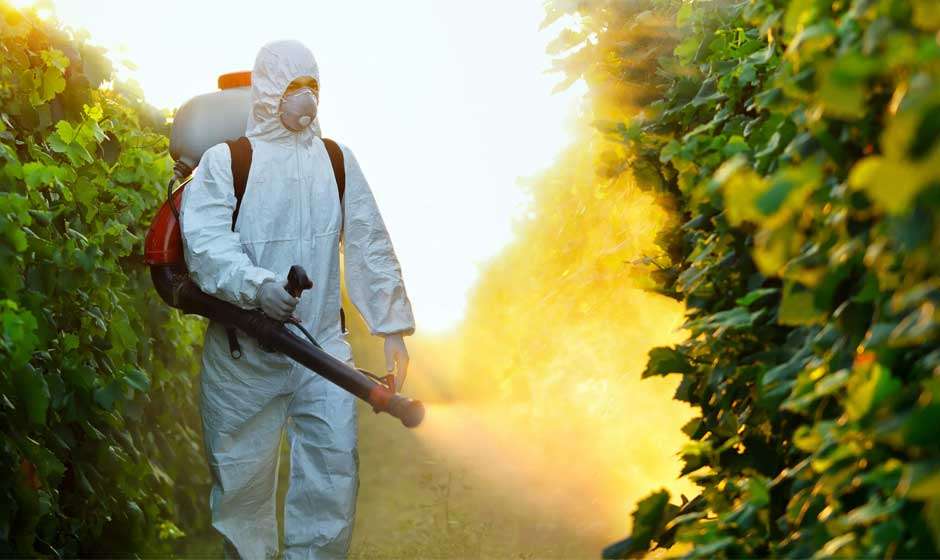
A close-fitting face mask is essential when dealing with loose particles in the air around working machinery, doing jobs like tilling. A respirator in tasks where toxic chemicals are being used is recommended.
Nitrile gloves are essential for dealing with chemicals, or when using pesticides. As hands are always in use in farming, leather, hard-wearing gloves provide essential grip and durability.
Offering sturdy grip on bumpy ground, strong boots, with steel-toes and ankle support are a great workwear addition to those in the agricultural industry.
Loud machinery can bring about the need for ear defence. Ear plugs are useful for short duration tasks, while earmuffs are better for longer activities.
Hard-wearing overalls are designed to resist minor abrasions, chemical splashes and day to day dirt. For more poisonous liquids chemically resistant overalls are advised. These suits sometimes known as hazmat suits are made for tasks where pesticides are being used, they provide extra resistance and coupled with gloves and a respirator give high levels of protection.
Setting high standards of health and hygiene shouldn’t be neglected and the right behaviour by an individual sets the standard for others. Tools and overalls should be checked before and after use for cracks or tears.
For the agricultural industry, there are specific suppliers to purchase equipment from, and this is recommended, since quality gear pays for itself. These same suppliers provide training sessions for PPE use and maintenance.
In farming, investing in reputable PPE is one thing you can control and should be inputted. This all contributes to making farming a more efficient industry to be involved in.