
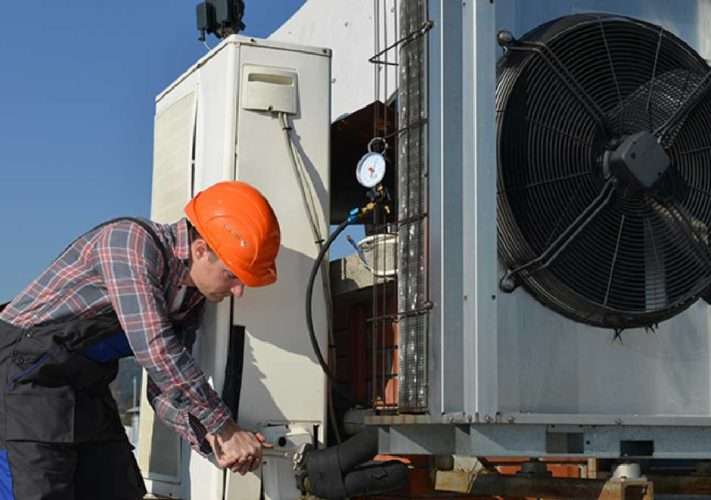
How to Prepare Your HVAC System for Spring and Summer
Essential Steps for Optimal Cooling Performance
As winter fades away, homeowners across the country start thinking about warmer weather ahead. Your HVAC system worked hard during the cold months, and now it’s time to shift gears for spring and summer cooling demands. Proper preparation ensures your system runs efficiently when you need it most.
Many people wait until the first hot day to discover their air conditioning isn’t working properly. This reactive approach often leads to uncomfortable situations and expensive emergency repairs. Taking proactive steps now can save you money and keep your home comfortable all season long.
Understanding Your HVAC System’s Seasonal Transition
The Challenge of Switching Seasons
Your HVAC system faces unique challenges when transitioning from heating to cooling mode. During winter, the heating components work overtime while cooling parts sit idle. Dust, debris, and moisture can accumulate in unused components, creating potential problems when the cooling season arrives.
Temperature fluctuations during spring put additional stress on your system. One day you might need heat, and the next day you’re reaching for the air conditioning. This constant switching between modes can reveal weaknesses that developed during the winter months.
Why Spring Preparation Matters
Spring preparation gives you time to address issues before peak summer demand. Early detection of problems costs significantly less than emergency repairs during the hottest days of the year. Professional technicians are also more available during spring, as summer represents their busiest season.
Complete HVAC System Inspection Checklist
Outdoor Unit Assessment
Start your preparation by examining the outdoor condenser unit. Winter weather can cause significant damage that affects summer performance. Look for bent fins, debris accumulation, and signs of animal damage.
Clear at least two feet of space around the entire unit for proper airflow. Remove leaves, branches, and any items that may have blown against the unit during winter storms. Check for ice damage to the fins and coils, which can restrict airflow and reduce cooling efficiency.
Indoor Component Evaluation
Move inside to inspect your indoor air handler or furnace unit. Check for any visible damage, unusual sounds, or musty odors that might indicate mold growth. Listen for rattling, squeaking, or grinding noises that could signal mechanical problems.
Examine the area around your indoor unit for water stains or moisture damage. These signs often indicate drainage problems that need immediate attention. Poor drainage can lead to expensive water damage and unhealthy mold growth.
Essential Maintenance Tasks for Spring
Air Filter Replacement and Maintenance
Your air filter plays a crucial role in system efficiency and indoor air quality. During winter, filters often become heavily loaded with dust, pet dander, and other particles. A clogged filter forces your HVAC system to work harder, increasing energy costs and reducing equipment lifespan.
Replace standard filters monthly during peak usage seasons. High-efficiency filters may last longer but require regular monitoring. Consider upgrading to a higher MERV rating filter for better air quality, but ensure your system can handle the increased airflow resistance.
Thermostat Calibration and Programming
Test your thermostat’s accuracy using a separate thermometer placed nearby. Inaccurate thermostats can waste significant energy by overcooling or undercooling your home. Replace batteries in programmable thermostats and verify all settings are correct.
Programming your thermostat for summer schedules saves money and reduces system wear. Set temperatures higher when nobody’s home and use programmable features to cool your house before you return. Smart thermostats offer even more control and energy-saving opportunities.
Ductwork and Airflow Optimization
Inspecting Ductwork for Leaks
Ductwork problems waste tremendous amounts of energy and reduce comfort. Check visible ducts for gaps, tears, or disconnected sections. Leaky ducts can waste 20-30% of your cooling energy, making your system work much harder than necessary.
Feel around duct connections for air leaks while your system is running. Use duct sealant or professional-grade tape to seal small leaks. Larger problems may require professional attention to ensure proper repair and system balance.
Ensuring Proper Airflow Throughout Your Home
Walk through your home and check all supply and return vents. Remove furniture, drapes, or other items blocking airflow. Blocked vents create pressure imbalances that reduce efficiency and can damage your system over time.
Clean vent covers and registers to remove dust buildup. Consider having your ducts professionally cleaned if you notice excessive dust or musty odors. Poor indoor air quality often indicates ductwork problems that affect both comfort and health.
Cooling System Specific Preparations
Refrigerant Line Inspection
Examine the refrigerant lines running between your indoor and outdoor units. Look for signs of damage, corrosion, or worn insulation. Damaged refrigerant lines reduce cooling efficiency and can lead to expensive refrigerant leaks.
Insulation around refrigerant lines prevents energy loss and condensation problems. Replace any missing or damaged insulation before cooling season begins. Proper insulation also prevents uncomfortable humidity problems in your home.
Condensate Drain Maintenance
Your air conditioning system produces significant amounts of condensation during summer operation. Check the condensate drain line for clogs or backup issues. A blocked drain can cause water damage and create conditions for mold growth.
Pour a cup of bleach or vinegar down the drain line to kill algae and prevent future clogs. Test the drain by pouring water into the drain pan to ensure proper drainage. Clear any visible blockages and consider installing a drain line maintenance system.
Energy Efficiency Improvements
Upgrading System Components
Consider upgrading older system components for better efficiency and reliability. Modern thermostats, air filters, and control systems can significantly improve performance without replacing your entire system. These upgrades often pay for themselves through reduced energy costs.
Variable speed motors and smart controls offer precise temperature control and lower operating costs. Programmable thermostats with learning capabilities adapt to your schedule automatically. High-efficiency air filters improve air quality while protecting your equipment.
Sealing and Insulation Improvements
Evaluate your home’s envelope for air leaks and insulation problems. Poor insulation forces your HVAC system to work overtime during extreme weather conditions. Seal gaps around windows, doors, and other openings to reduce cooling loads.
Attic insulation plays a crucial role in summer cooling efficiency. Add insulation if current levels fall below recommended standards for your climate zone. Proper insulation reduces heat gain and makes your home more comfortable year-round.
Professional Maintenance Considerations
When to Call for Professional Service
While homeowners can handle many preparation tasks, some issues require professional expertise. Complex electrical problems, refrigerant issues, and major mechanical repairs need trained technicians with proper tools and certifications. Attempting these repairs yourself can be dangerous and may void warranties.
Schedule professional maintenance if you notice unusual sounds, odors, or performance issues. Early intervention prevents minor problems from becoming expensive major repairs. Professional technicians can also identify potential issues that aren’t obvious to homeowners.
Selecting Quality Service Providers
Research local HVAC contractors before you need emergency service. Choose licensed, insured contractors with good local reputations and proper certifications. Read online reviews and ask for references from recent customers.
Get written estimates for any recommended work and don’t feel pressured to make immediate decisions. Quality contractors will explain problems clearly and provide options for addressing issues. Avoid contractors who use high-pressure sales tactics or demand payment before completing work.
Preparing for Peak Summer Demand
Understanding System Limitations
Every HVAC system has capacity limitations that affect performance during extreme weather. Understanding your system’s capabilities helps you set realistic expectations and avoid overworking your equipment. Oversized systems cycle on and off frequently, while undersized systems run continuously without achieving comfortable temperatures.
Monitor your system’s performance during the first hot days of spring. Note how long it takes to cool your home and whether it maintains consistent temperatures. Unusual cycling patterns or inability to reach set temperatures may indicate developing problems.
Creating Emergency Backup Plans
Develop contingency plans for potential system failures during peak summer heat. Identify alternative cooling methods and emergency repair services before you need them. Window units, fans, and other temporary solutions can provide relief while waiting for repairs.
Keep emergency contact information readily available and know your system’s basic specifications. Having model numbers, age, and maintenance history available helps technicians diagnose problems more quickly. Consider joining service plans that provide priority emergency service.
Conclusion
Preparing your HVAC system for spring and summer requires attention to multiple components and systems. Proactive maintenance prevents expensive emergency repairs and ensures reliable cooling when temperatures soar. Taking time now to address potential issues saves money and provides peace of mind throughout the cooling season.
Regular maintenance, proper preparation, and professional service when needed keep your system running efficiently for years. Don’t wait for problems to develop – start your spring preparation today and enjoy comfortable, worry-free cooling all summer long.