
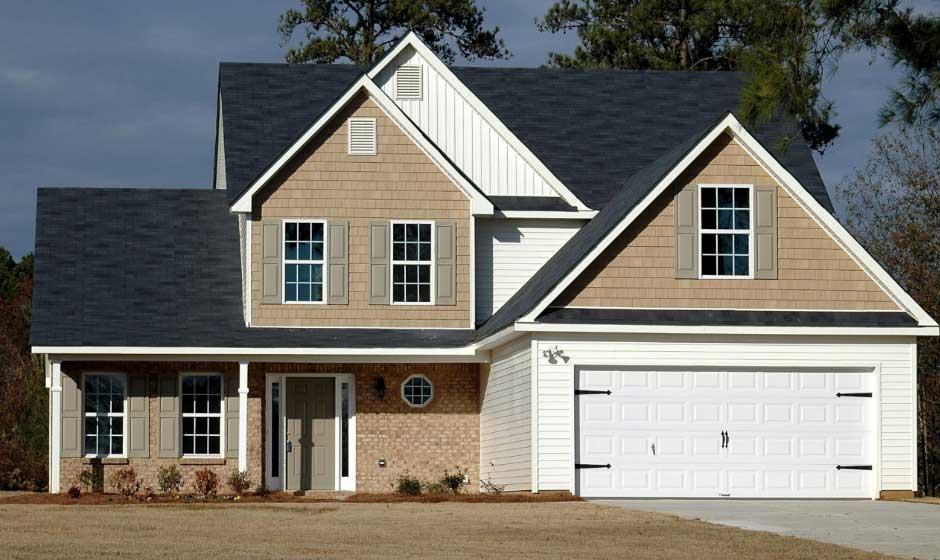
How to Blend New Siding With Old Shutters for a Unified Farmhouse Trim
Renovating the outside of your home with new siding is an excellent opportunity to improve curb appeal. If you love the old shutters that are part of vintage farmhouse appeal, the challenge is balancing the old and new without appearing disconnected. Achieving a unified appearance isn’t merely installing new panels; it’s about earnest planning regarding color, texture, proportion, and architectural harmony. Consider these four key elements to create a unified farmhouse appearance.
Assessing Shutter Condition and Architectural Compatibility
It’s essential to assess your existing shutters before selecting new siding. Farmhouse shutters may feature distinctive traits that lend authenticity and charm. Think about whether they are still structurally intact and worth saving. Beyond physical condition, consider their architectural compatibility with the farmhouse style and any new siding. Shutters should be proportionate to the windows they surround. Inconsistent sizing disturbs the visual balance of the exterior, irrespective of the siding material.
In addition to size, nuanced design features are essential for maintaining genuine farmhouse charm. These include panel layout, louver size, and hinge placement. Non-functional, decorative shutters need special considerations in proportions and installations. Knowing your current shutter’s inherent style and limitations establishes the basis for careful siding choice. This ensures the shutters are an appreciated design feature, rather than a visual oversight.
Mastering the Color Palette for Cohesion and Contrast
Color is most likely the most powerful way of bringing new siding and old shutters together. The goal is a cohesive color scheme that respects the farmhouse look but gives each element its place. Start by establishing the dominant undertones in your existing shutter color. Your new siding color must contain these undertones to blend, even when tones are vastly different. For instance, cool gray shutters work well with siding in cool whites, grays, or blues.
A time-tested method is to choose a primary siding color that serves as a neutral background. This can be pale whites, warm beiges, light grays, or pale blues. Emphasizing the shutters with a bold or complementary color calls for thoughtful contrast. Choosing a deeper or more vibrant siding shade can amplify lighter shutters and bring visual balance to the facade. Always test big samples of siding colors with the actual shutters in various natural lights before finalizing. This ensures that the colors work together as desired, having the intended cohesive yet visually appealing effect.
Reframing with Purposeful Trim Details
Trim anchors the farmhouse aesthetic, visually linking siding and shutters while framing key architectural details. When upgrading siding, consider changing the trim package to keep things symmetrical in appearance. The accents made by window casings, corner panels, fascia, and frieze boards create an architectural rhythm. Farmhouse trim puts utility over style, replacing fancy profiles with broad, flat boards with subtle detail.
Color plays a bridging role. Matching trim to shutters creates a strong visual link and frames windows with intention. Opting for white or off-white trim against colored elements offers a clean, classic contrast. To avoid a flimsy effect, the trim should have enough width to assert itself as thin boards risk diminishing the composition. Consistent detailing and well-defined corners bring structure and rhythm, making shutters feel original rather than added afterthoughts.
Harmonizing Texture, Finish, and Precise Installation
Texture, finish, and precise installation complete the farmhouse aesthetic. Authentic styles thrive on tactile depth. Board-and-batten, shiplap, and channel rustic lap siding naturally draw the eye with layered dimension. Weathered wood grain on the shutters does not go well with sleek vinyl siding.
Instead, choose the textured ones to develop a single visual rhythm. These include embossed wood-grain fiber cement, slightly scored vinyl, or even actual wood siding. Matte or low-luster finishes across both elements preserve rustic authenticity. Glossy finishes, conversely, risk appearing modern and artificial.
Installation matters just as much as material. Siding professionals ensure precise measurements and tight cuts around windows for clean integration. Siding should accommodate shutter hardware seamlessly, with no gaps and no interference. Flashing and sealing must be watertight to protect both the new siding and the legacy shutters. This level of detail ensures the two elements coexist naturally, completing the farmhouse facade with quiet integrity.
Endnote
Combining new siding with old shutters to attain farmhouse trim is an exercise in thoughtful design and installation. By carefully examining your shutters’ value and appearance, creating a coordinated but intentional color scheme, reframing with purposeful trim pieces, and balancing texture, finish, and installation to function as one, you end up with an exterior where history and renewal meet seamlessly. The result is a home that still holds on to its soulful character but gets to enjoy the benefits and look of a newly revitalized facade.