
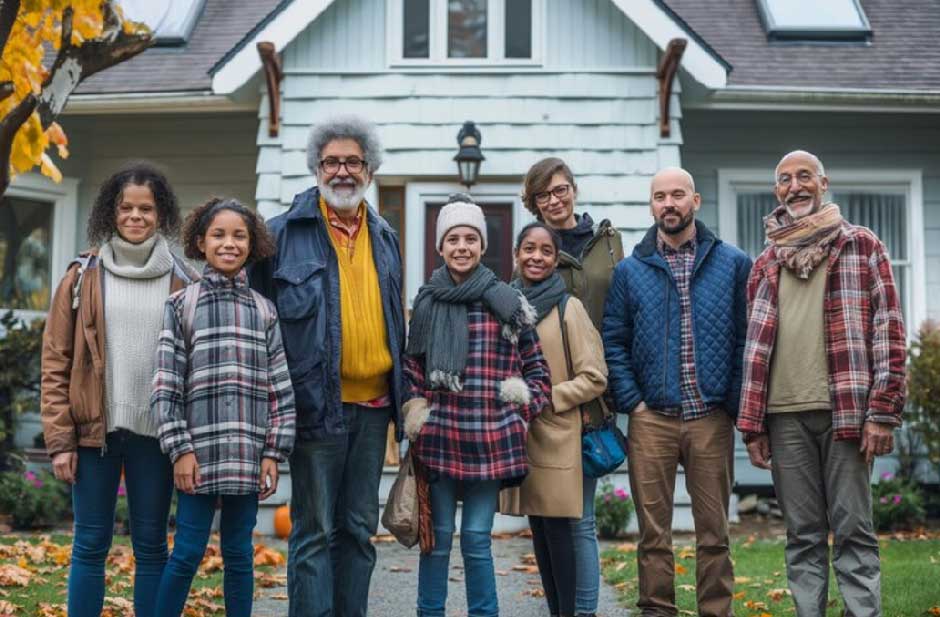
How Community Togetherness Builds Safer Neighborhoods
Everyone wants to feel safe where they live. Whether it’s a quiet town or a busy city block, a sense of security starts at home and extends to the people around you. While police patrols and technology help, true safety is built through trust, connection, and care among neighbors.
If you’re planning a move, it’s important to look beyond just streetlights and security systems. A community where neighbors look out for one another can make all the difference. That’s why it’s so important to choose a safe neighborhood, one where people care enough to protect and support each other.
Real safety doesn’t happen by chance. It starts with people being present, engaged, and willing to create a space where everyone feels seen and supported. This is what sets truly safe communities apart.
A Safe Community Takes Togetherness
Community togetherness means more than casual greetings; it’s about creating a sense of connection and shared responsibility. When neighbors check in, stay alert, and act when something feels off, they help create a strong layer of protection that no alarm system can match.
According to the National Institutes of Health (NIH), communities with stronger social ties tend to experience less crime. When people are connected, they’re more likely to report suspicious behavior, assist during emergencies, and support one another in times of need. Criminals are less likely to target areas where neighbors are visibly involved and aware.
Togetherness doesn’t mean you need to be close friends with everyone. Small gestures, a wave, a short conversation, or helping someone with groceries build trust over time. These everyday acts create a network of care that turns streets into communities and houses into homes.
Benefits of Community Togetherness
When neighbors come together, the entire community thrives, not just in safety but in overall quality of life. Here are some key benefits:
- Faster emergency response – Neighbors can react quickly in urgent situations like fires, accidents, or break-ins.
- Peace of mind – People feel more secure and less anxious knowing others are watching out for them.
- Healthier relationships – Trusted neighbors often become reliable support systems and even close friends.
- Cleaner, well-kept surroundings – Connected communities take pride in their environment and speak up when issues arise.
- Support for the vulnerable – Children, the elderly, and those living alone benefit greatly from neighborly care.
Stronger communities are also more appealing to buyers and renters, so togetherness can increase property values over time.
How to Build Community Togetherness
You don’t need large events or funding to bring people together. Here are some simple, meaningful ways to start:
- Start with a greeting – Say hello and spark conversations with your neighbors to build familiarity and trust.
- Join or start a local group – Use platforms like WhatsApp or Facebook to stay connected and informed.
- Host small gatherings – Plan a potluck, clean-up day, or kids’ playdate to create shared experiences.
- Offer help when possible – Watch a neighbor’s home while they’re away or assist with errands for someone elderly.
- Form a neighborhood watch – A group of neighbors keeping an eye out can significantly improve security.
- Support local events and leaders – Get involved in town meetings and back efforts that make your area better.
Even small actions lead to real change. Building a safe and supportive community is about consistency, care, and connection.
Conclusion
Community safety doesn’t rely solely on locks or law enforcement; it starts with the people who live there. When neighbors care for one another, stay alert, and work together, they create an environment where everyone can thrive.
So, when it’s time to choose a safe neighborhood, ask the right questions. Do the neighbors talk to one another? Do they step in when needed? Do they care about the community?
A connected neighborhood isn’t just safer: it’s stronger, more welcoming, and better for everyone who calls it home.