
Creating a Calming Home Sanctuary for Highly Sensitive People
Our team understands how crucial it is for highly sensitive people (HSPs) to have a home that feels like a safe haven. Noise, lighting, or changes in temperature can rather conveniently throw their equilibrium off if the surrounding environment in which they are placed is not relaxing. A relaxing home design must be well thought out with awareness of sensory needs. In this article, we will give you tips on how to make your home comfortable in practice, from color selection to doors, windows, and soundproofing.
Understanding Sensory Needs in Home Design
Sensitively attuned people may react to stimuli others would not even notice: urban street noises, glaring light, or chilly drafts. These issues cause stress or sensory overload, and it’s difficult to relax. Building a home that takes these factors into account starts with knowing which environmental aspects affect HSP.
It is well known that HSPs often need quiet and stable temperatures to feel secure. For example, installing high-quality exterior doors Vancouver can help with this by reducing noise levels and retaining warmth, creating a more comfortable atmosphere.
Since every case is unique, it is always a good idea to start by investigating what specific areas of your home trigger the discomfort and address them step by step. Maintaining a log of what areas of your home trigger the discomfort and making improvements based on it is something we recommend.
Choosing Soothing Colors and Textures
Textures and hues are significant factors in creating a setting comfortable for HSPs. Subdued colors such as beige, pale gray, or pastel colors help reduce visual tension, while bold or bright colors, conversely, tend to be discomfiting. Therefore, instead of glossy surfaces that reflect light, employ matte textures. Areas with soft materials, such as linen drapes or wool rugs, are great choices.
Incorporating natural elements into the interior also helps HSPs feel more balanced. Houseplants, wooden furniture, or stone accents create a sense of connection with the surrounding environment. This is especially beneficial when the view outside complements the interior, and blinds for doors and windows allow flexible control over natural light intensity. For those sensitive to bright lighting, this provides an opportunity to enjoy nature’s views exactly as desired without sacrificing comfort.
Designing Quiet and Restful Spaces
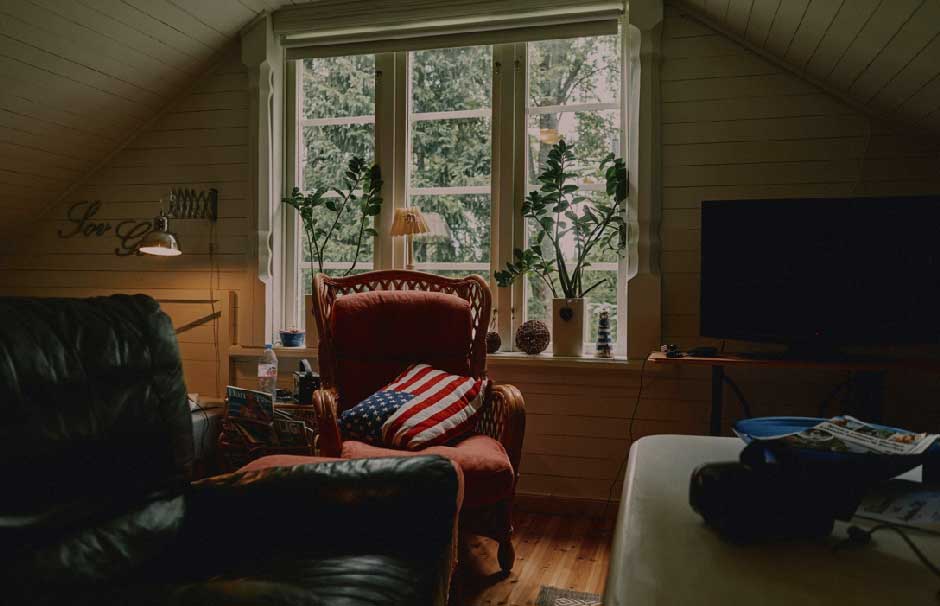
Creating a retreat space where one can be by themselves is a viable means of dealing with sensory overload, and soundproofing is key to this. According to the Acoustical Society of America, reducing exterior noise by 10 decibels can actually improve the quality of sleep and reduce levels of stress. You can choose a corner of your home, such as a bedroom or a study, and style it according to your sensory requirements by choosing a comfortable chair, such as a soft blanket, and a little table for books or candles. In order to create this room a true sanctuary, the following are some tried tips:
- Use acoustic panels (polyurethane foam, fabric, or cork): These can be wall-mounted to prevent reflection of the sound and to absorb noises from outside, thus being extremely useful in bedrooms and study rooms;
- Use adjustable zoned lighting (desk, floor, and wall lamps): It is flexible according to the context of the moment, which is more important during the evening and sensory overload period;
- Use air humidifiers that also have an aromatherapy feature: Dry air exacerbates discomfort, particularly when it’s cold outside. Essential oils (like lavender or bergamot) can lower anxiety levels.
These easy steps will make a space where HSPs will be at ease. Besides interior adjustments, other machines such as a white noise machine or noise-canceling headphones could prove useful.
Keeping Your Sanctuary Thriving in the Long Run
Making it tranquil to work in the long term is essential. Change the decor now and then to maintain novelty and prevent visual fatigue. One should also consider that HSPs are also sensitive to season, especially in Canada, where winters are cold and summers are hot. Therefore, check the condition of windows and doors to see if they still have good sound insulation and thermal performance.
Following is a table of what in the house most impacts HSP:
| Element | Benefit | Impact on HSP |
| Soundproof doors and windows | Blocks external noise | Reduces sensory overload |
| Neutral color palette | Creates a calming atmosphere | Lowers visual overstimulation |
| Adjustable blinds | Controls natural light | Prevents sensory discomfort |
Solid interior doors with tight sealing help reduce sound transmission even within the home, creating a sense of complete privacy and security. As acoustic solutions expert Matthew Bogan notes, “The little crack running around the door is transmitting a lot more sound than anyone would ever dream.”
Final Thoughts
Designing a home for highly sensitive people is an investment in your mental health. Careful decisions in color, texture, and insulation options can turn your home into an oasis. Our crew has witnessed how modifications such as the addition of high-quality doors, windows, or blinds can make HSP more comfortable. Begin with one corner of your home and gradually add elements that make the room yours. Try out our tips and discover how simple it is to create a haven where you feel attuned.