
How Home Design Is Evolving to Support Aging in Place
The idea of “home” is transforming. No longer just a static space, today’s home is becoming an adaptable environment that evolves with the changing needs of its occupants. This shift is central to the growing trend of aging in place—the ability to live independently and safely in one’s own home as we grow older, regardless of age, income, or mobility.
Forward-thinking companies like Galaxy Lifts are helping lead this evolution by providing innovative home lift solutions that make multi-level living safer and more accessible for seniors and individuals with mobility challenges.
The Shift Toward Longevity-Focused Home Design
Traditional home designs often emphasized visual appeal and short-term functionality, neglecting the long-term needs of aging homeowners. Features like narrow hallways, multiple staircases, or step-in bathtubs can quickly become obstacles to mobility and safety.
Today, however, homeowners and builders are rethinking their priorities. With an increasing awareness of the importance of independence and familiarity in aging, more people are investing in design choices that make it possible to remain in their homes comfortably for decades.
Universal Design: Inclusive, Practical, and Stylish
Modern aging-in-place home design is not about creating sterile or institutional spaces. It’s about seamlessly integrating universal design principles that enhance both usability and aesthetics. Some key examples include:
- Wider doorways and hallways that allow for wheelchairs and walkers.
- Lever-style door handles that are easier for arthritic hands to use.
- Grab bars in bathrooms that match the décor.
- Non-slip flooring for added safety.
These design elements not only support aging adults but also make life easier for everyone—families with young children, guests with temporary injuries, or anyone moving large furniture.
Smart Technology: A Growing Ally for Aging in Place
Technology in home design is playing a major role in helping older adults maintain independence. Smart home systems now offer:
- Voice-activated controls for lighting, temperature, and appliances.
- Remote monitoring and alerts for caregivers or family members.
- Automated lighting and security systems that boost convenience and safety.
These advancements provide peace of mind while reducing the need for constant assistance.
The Importance of Outdoor Accessibility and Community Integration
The design of a home extends beyond its interior. For true aging-in-place success, the external environment also matters. Thoughtful considerations include:
- Smooth, accessible pathways
- Well-lit outdoor areas
- Close proximity to essential services and social spaces
This holistic approach acknowledges that safety, comfort, and connectivity are equally important for long-term well-being.
Home Lifts: A Smart Upgrade for Multi-Level Homes
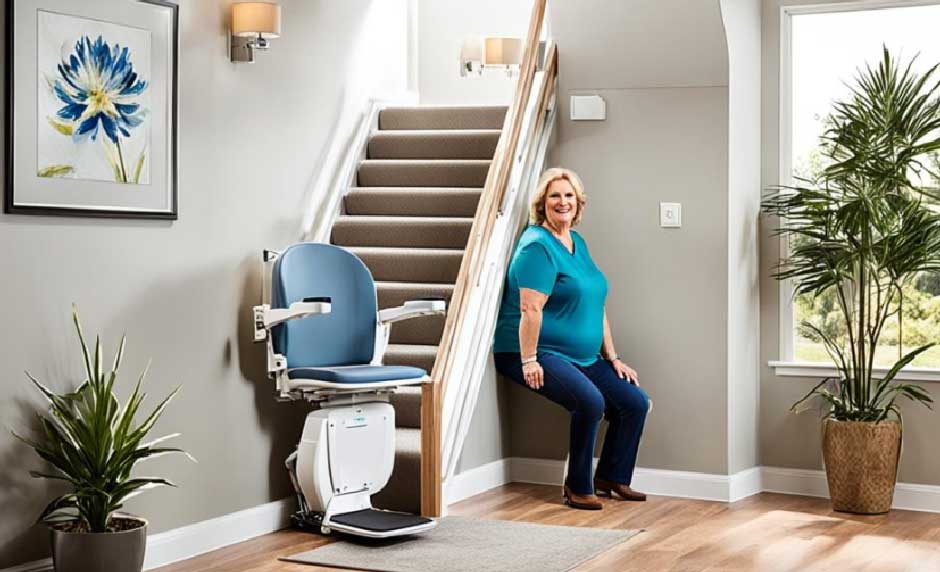
For homes with multiple floors, installing a residential lift can be a game-changer. Home lifts eliminate the risks associated with stairs while preserving access to the entire home. Galaxy Lifts, a trusted provider of residential accessibility solutions, offers a variety of sleek, space-saving models that complement modern interior design.
Conclusion: Designing with the Future in Mind
Designing a home to support aging in place is not just a trend—it’s an investment in longevity, comfort, and peace of mind. By incorporating universal design features, smart technology, and mobility solutions like home lifts, homeowners can ensure their living spaces remain supportive and beautiful through every stage of life.
The homes of the future are not only stylish and functional—they’re adaptable, inclusive, and built to grow with us.
Frequently Asked Questions (FAQs)
What are some key features of a home designed for aging in place?
Essential features include wider doorways and hallways, non-slip floors, lever-style handles, grab bars, single-level living, and home lifts for stair-free access.
Is it expensive to incorporate aging-in-place features?
Not necessarily. Many upgrades—like grab bars and better lighting—are affordable and can be added gradually. Prioritize high-impact areas like bathrooms and stairways for best results.
How does a home lift support aging in place?
A home lift offers a safe, effortless way to move between floors, eliminating stair-related risks and enhancing long-term mobility and independence.
Will my home still look stylish with aging-in-place features?
Absolutely. Modern aging-in-place designs blend safety with elegance, incorporating features that are both functional and visually appealing.
Where can I learn more about aging-in-place design?
Organizations like the AARP, the National Institute on Aging, and certified aging-in-place specialists (CAPS) offer valuable insights and resources.