
The Art of Small Space Living
Making the move to a smaller home brings so much more than a change in square footage. Your creativity grows as your rooms shrink, leading to choices that truly reflect your personality. Living in a cozier place naturally makes you question what you need and love. You start to see each item through a different lens, asking whether it serves a purpose or brings you joy. The result is a home where every single thing has meaning. Before you know it, you’re surrounded only by things that matter to you, not just stuff that fills up space.
Smart and Stylish Storage for Every Room
Good storage makes all the difference between a cramped home and one that feels just right. When you’re short on floor space, remember to look up! Your walls are storage gold mines. Tall bookshelves, wall cabinets, and hooks near the ceiling put all that empty wall space to work and make your rooms feel taller, too. The key to successful small-space living often lies in seeing potential storage opportunities where others might see limitations, transforming constraints into creative solutions.
Multi-purpose furniture quickly becomes the best option for maximizing any room in your house. Think ottomans that hide blankets, beds with drawers for off-season clothes, and dining tables that fold down when dinner is over. Window seats with storage underneath or shelves built to fit tricky spots can also turn wasted space into something useful. Custom medium-density fiberboard (MDF) solutions are great for tight builds like these since the wood fiber material can mold to compact spaces where traditional wood might split or warp. They can also be used for wall-mounted shelves, small closet solutions, and custom kitchen cabinets.
Kitchens are a great place to utilize multi-functional storage elements. Try adding magnetic knife strips to free up drawer space, pegboards to keep utensils in sight but off counters, and simple shelf risers to double what fits in each cabinet.
Bathrooms often present unique storage hurdles in small homes, but space-saving bathroom storage solutions can transform even the tiniest washing space into a functional retreat. Consider using floating vanities to create visual space while providing storage underneath, over-toilet shelving to transform wasted space above the toilet, and shower caddies to keep toiletries organized without cluttering your tub area. These solutions can free up valuable space in your bathroom area while maintaining style and function.
Designing a Mood-Enhancing Living Space
In a small home, how a room makes you feel matters even more than in a bigger place. Each design choice carries greater weight when there’s less space, so focus on elements that positively impact your mood and sense of comfort while maximizing the perception of space. The colors, textures, and objects surrounding us deeply influence our daily emotions and energy levels, making thoughtful design in compact homes both a style choice and a meaningful investment in your everyday happiness.
The Impact of Color and Light
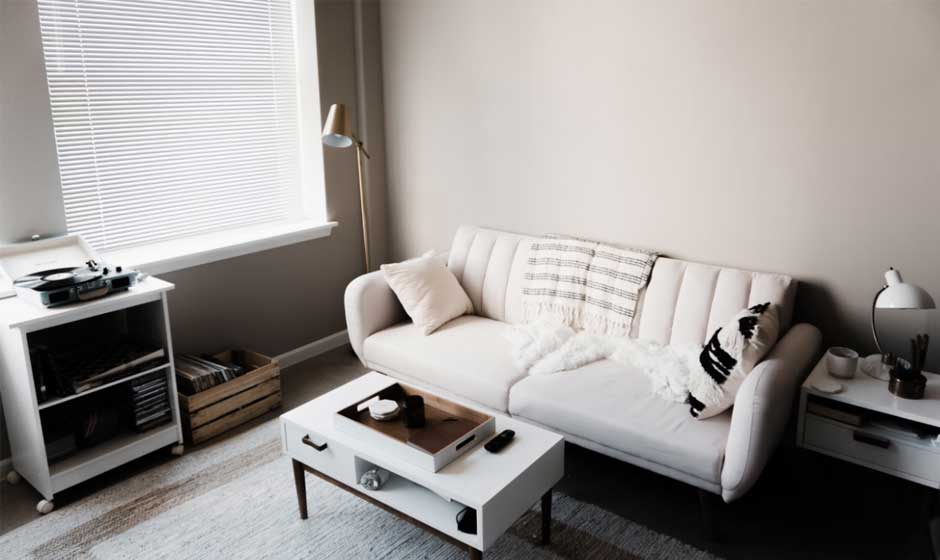
The right mix of light and color is vital for a room to feel both spacious and inviting. These elements work together to overhaul even the smallest spaces:
- Layer multiple light sources: Mix ceiling fixtures, table lamps, and accent lights to create depth.
- Maximize natural light: Keep windows unobstructed to let sunshine flow through your space.
- Choose light neutrals: Pale colors make walls recede and rooms appear larger.
- Consider the full neutral spectrum: Soft grays, warm beiges, and creamy off-whites offer alternatives to stark white.
- Use color psychology: Cool blues create calm in bedrooms, while warm tones make living areas feel cozy.
The combination of thoughtful lighting and color choices sets the stage for a home that not only looks bigger but feels more aligned with your desired mood.
Adding Life Through Texture and Nature
Texture and natural elements bring dimension and vitality to small spaces while creating that essential feeling of comfort and security that makes a house truly feel like home. Here’s how to use these elements in smart ways in your own home today:
- Mix contrasting textures: Combine smooth glass with rough wood, soft fabrics with cool metals.
- Layer textiles: Add small rugs over carpet, mix pillow textures, or drape chunky throws on furniture.
- Incorporate plants at various heights:Hang them from ceilings, mount them on walls, or cluster them on windowsills.
- Choose air-purifying varieties: Select plants that improve air quality while adding visual interest.
- Add natural materials: Incorporate wood, stone, and other organic elements to create warmth.
What makes a space feel like your own involves the psychology of “home” and the unique process of creating a personalized sanctuary through familiarity and connections with your surroundings. When you design with purpose, using various textures, materials, and sentimental items, you create an environment that truly feels like home, providing both comfort and security.
Making It Your Own With Unique Style Touches
It’s the personal touches that turn a small apartment into a home that feels like you. When space is limited, each decorative choice becomes more significant, making thoughtful personalization essential to creating a space that feels authentic and lived-in rather than generic. Even the simplest expressions of your personality, like a collection of books, photos from favorite memories, or items gathered during travels, can revitalize a space from boring and functional into deeply personal and comforting.
To make a space your own, try incorporating meaningful items and artwork. For instance, maybe a bulky heirloom can be transformed into something smaller and still meaningful, or special artwork can be hung to make your home feel intentional. A gallery wall lets you show off multiple pieces without eating up floor space, while one large painting can make a room feel bigger and more finished. For more variety, you can try rotating what you display seasonally.
Smart upgrades for small spaces have the biggest impact in making a compact home feel unique. Try updating hardware on old cabinets, painting a single accent wall in a bold color, or regularly swapping textiles like pillows and throws with the changing seasons. Strategically placed mirrors are excellent for expanding visual space, while improved lighting instantly transforms the mood and perceived size of any room. Finally, consider do-it-yourself (DIY) projects that provide custom solutions tailored exactly to your specific needs.
Final Thoughts
Small-space living isn’t about square footage but about making smart choices in service of a home that works for you and not against you. By being intentional about space, you can save money while creating a home that works harder for you, with less clutter and more room for what truly matters. Whether you’re in a studio apartment or considering a smaller home, the key is transforming limitations into opportunities for creativity, personal expression, and a more focused lifestyle.