
Virtual vs. In-Person Music Lessons: Which One Is Right for You?
Music has long been a universal language, bringing joy, expression, and discipline to those who embrace it. With the advancement of technology, aspiring musicians now have the option to take music lessons virtually or in person. While both methods have their advantages, choosing the right one depends on personal preferences, goals, and lifestyle. In this article, we’ll explore the key differences between virtual and in-person music lessons, helping you determine which format best suits your needs.
Understanding Virtual Music Lessons
What are Virtual Music Lessons?
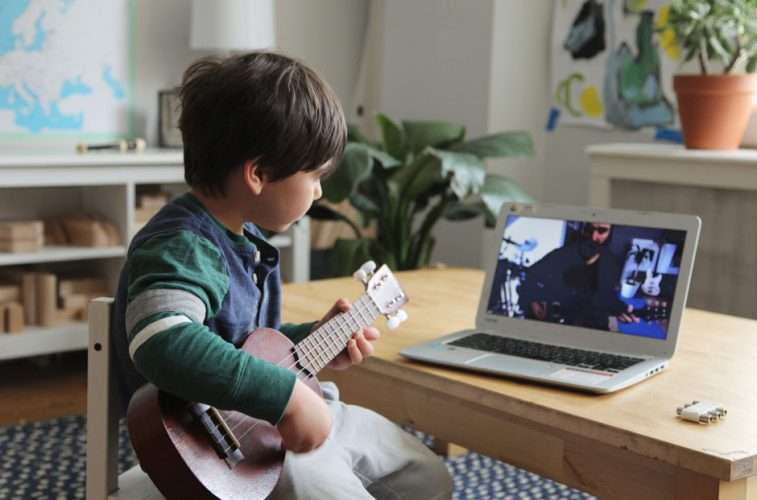
Virtual music lessons are online sessions conducted through video conferencing platforms such as Zoom, Skype, or specialized music-learning apps. Students connect with instructors in real time, receiving guidance, feedback, and structured lessons from the comfort of their homes.
Benefits of Virtual Lessons:
- Convenience and Flexibility:Virtual lessons eliminate the need for travel, allowing students to take classes from anywhere. This flexibility is especially useful for those with busy schedules.
- Access to a Wider Range of Teachers:Students can learn from instructors around the world, gaining exposure to different styles and techniques that might not be available locally.
- More Affordable Options:Online lessons can be more cost-effective, as they reduce commuting costs and, in some cases, offer lower lesson fees.
Challenges of Virtual Lessons:
- Technical Difficulties:Internet issues, audio lag, or poor video quality can interfere with learning.
- Limited Hands-On Guidance:Unlike in-person lessons, virtual sessions lack physical adjustments to technique, which can be crucial for mastering certain instruments.
- Distractions at Home:Learning in a home environment can lead to distractions that might impact focus and practice quality.
Understanding In-Person Music Lessons
What are In-Person Lessons?
In-person music lessons involve face-to-face instruction in a studio, school, or a teacher’s home. The direct interaction between teacher and student allows for hands-on corrections and immediate feedback.
Benefits of In-Person Lessons:
- Hands-On Instruction:Teachers can physically adjust a student’s posture, finger placement, and technique, leading to quicker mastery of an instrument.
- Fewer Distractions:Learning in a dedicated environment minimizes distractions, helping students stay focused.
- Stronger Accountability:Attending lessons in person can increase motivation and commitment, as students are more likely to stay engaged.
Challenges of In-Person Lessons:
- Travel Constraints:Commuting to lessons can be time-consuming and inconvenient, especially for students in rural areas or those with packed schedules.
- Higher Costs:In-person lessons may come with higher fees, as well as additional expenses like transportation and materials.
- Limited Instructor Availability:Finding a skilled teacher nearby might be difficult, particularly for students interested in niche music genres or instruments.
Key Factors to Consider When Choosing
If you’re torn between virtual and in-person lessons, consider the following factors:
- Learning Style:If you thrive on hands-on correction and direct interaction, in-person lessons may be ideal. If you’re independent and comfortable following instructions online, virtual lessons could work well.
- Skill Level:Beginners often benefit from in-person guidance to build a strong foundation, whereas advanced students might find virtual lessons sufficient for refining skills.
- Budget:Virtual lessons can be a more affordable choice, while in-person lessons often come with additional costs.
- Technology Comfort Level:If you’re not tech-savvy, dealing with online platforms and potential connectivity issues might be frustrating.
- Instructor Availability:If you’re looking for a specialized teacher, online lessons offer a broader selection.
- Instrument Type:Some instruments, such as the piano and guitar, are easier to learn virtually, while others, like the violin and drums, often require in-person instruction for precise technique correction.
If you’re looking for a program that accommodates both learning styles, Academy of Music provides flexible music lessons, available in your home, at our studio, in schools, and virtually, visit their website to explore your options.
Hybrid Learning: The Best of Both Worlds?
A hybrid approach combines the advantages of both virtual and in-person lessons. For instance, students might take online lessons for music theory and general instruction while attending in-person sessions for technical improvements. This method offers flexibility while ensuring hands-on guidance when needed.
Hybrid learning is especially beneficial for:
- Students who need occasional in-person correction but prefer the convenience of online sessions.
- Those who travel frequently and want to maintain consistent learning.
- Families seeking a cost-effective yet structured approach to music education.
Conclusion
Choosing between virtual and in-person music lessons depends on your personal learning preferences, schedule, and goals. Virtual lessons offer convenience, affordability, and accessibility, making them great for independent learners and those with busy lives. In-person lessons provide hands-on instruction, better focus, and increased accountability, making them ideal for students who thrive with direct interaction.
For many, a hybrid approach provides the best of both worlds, allowing students to customize their learning experience. Whether you choose online, in-person, or a mix of both, the key is to find a method that keeps you motivated and engaged in your musical journey.