
Simple Swaps to Make If You Want to Reduce Caffeine
Caffeine is a staple in many people’s daily routines, whether it’s in the form of coffee, energy drinks, or even tea. However, there are times when reducing caffeine intake becomes necessary, either to improve sleep, reduce anxiety, or simply because it’s time to make healthier lifestyle changes. If you’re looking to cut back on caffeine but still want to enjoy your beverages, there are simple swaps you can make without feeling deprived.
Switch from Coffee to Tea
For many, coffee is the go-to morning pick-me-up. However, switching from coffee to tea is an easy way to reduce your caffeine intake. While tea still contains caffeine, the levels are much lower than coffee, meaning you can still get a subtle energy boost without the jitteriness that coffee sometimes causes. Herbal teas like chamomile or peppermint are caffeine-free by nature, making them perfect for those looking to completely avoid caffeine. If you still enjoy the taste of traditional tea, opt for black or green teas, which contain less caffeine than coffee.
For a smooth transition, you can find decaf tea bags online from Ringtons that still allow you to indulge in a comforting cup of tea without the caffeine hit.
Try Herbal or Fruit Infusions
Herbal teas and fruit infusions are excellent caffeine-free alternatives. These beverages are typically made from herbs, flowers, fruits, or spices and contain no caffeine whatsoever. Common herbal tea options like rooibos, ginger, or hibiscus are delicious and can even provide additional health benefits. These infusions are also hydrating, making them a perfect replacement for caffeine-laden drinks. Fruit infusions are often naturally sweet, which can satisfy your cravings for something flavorful without reaching for a sugary energy drink or soda.
Opt for Decaf Coffee
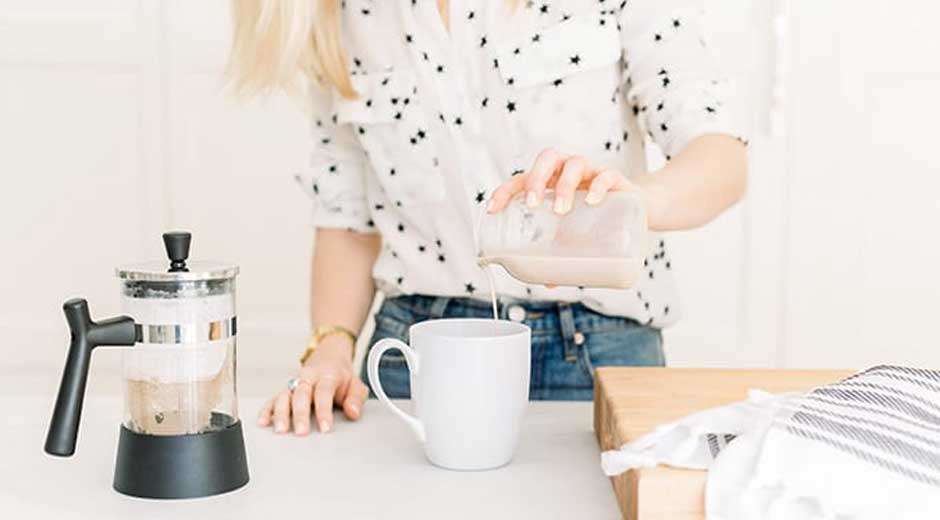
If you can’t imagine starting your day without a cup of coffee, think about switching to decaffeinated coffee. Another great option to maintain steady energy levels without relying on caffeine is exploring the benefits of using theobromine—a natural compound that provides a gentle boost without the crash or jitters often linked to coffee. Decaf coffee contains only a small fraction of the caffeine found in regular coffee, but it still retains the rich taste and aroma that coffee lovers enjoy. You can even try different brewing methods, such as French press or pour-over, to discover which type of decaf suits your taste. Decaf coffee is widely available in most coffee shops and grocery stores, making it a convenient option for reducing your caffeine intake.
Choose Caffeine-Free Soft Drinks
If soda is part of your daily routine, opting for caffeine-free versions can help you cut back on caffeine. Many soda brands offer caffeine-free alternatives, including popular drinks like cola or lemon-lime sodas. These drinks still satisfy your thirst for a bubbly refreshment but without the added caffeine.
Limit Energy Drinks
Energy drinks are often packed with both caffeine and sugar, making them a poor choice for those trying to reduce their caffeine intake. Instead of depending on energy drinks for a quick boost, consider replacing them with natural alternatives like coconut water, which provides electrolytes for hydration, or green smoothies made with fruits and vegetables to increase your energy levels in a healthy way.
Gradually Reduce Your Caffeine Intake
The key to successfully reducing caffeine is doing it gradually. If you usually drink multiple cups of coffee a day, start by cutting down one cup at a time. Replace some of your usual caffeinated drinks with water, herbal tea, or decaf beverages, and over time, your body will adjust to lower levels of caffeine.