

6 Reasons Employers Require Physical Exams For New Hires
If you’re being considered for a new job, the company may request you to complete a pre-hire physical. While you may have encountered several pre-employment examinations requested by your employer, a pre-employment physical examination helps them determine how well qualified you are to physically execute the responsibilities of your role.
Other reasons your employer may ask you to visit a clinic for a physical exam are to detect any health risks you might have and to minimize the company’s liability in the event of an accident.
Yet, that’s not all, since there are more reasons employers require physical exams for new hires, as discussed in the article below. But first, let’s discuss what a pre-employment physical exam is.
What is a Pre-Employment Physical Exam?
A pre-employment physical is a medical exam that an employer may require new hires to undergo in order to ensure they’re physically or mentally capable of undertaking their roles. It’s typically a standard step in the onboarding process for many organizations, particularly when your employer wants to ensure that you’re physically capable of performing your duties.
Depending on the nature of your prospective position, the physical exams for work may be a short or long process. Whatever the case, the examination will help the company to evaluate your overall health status so they can make decisions about hiring based on information.
In addition, it makes record-keeping more manageable since the organization can better monitor changes in your health over time.
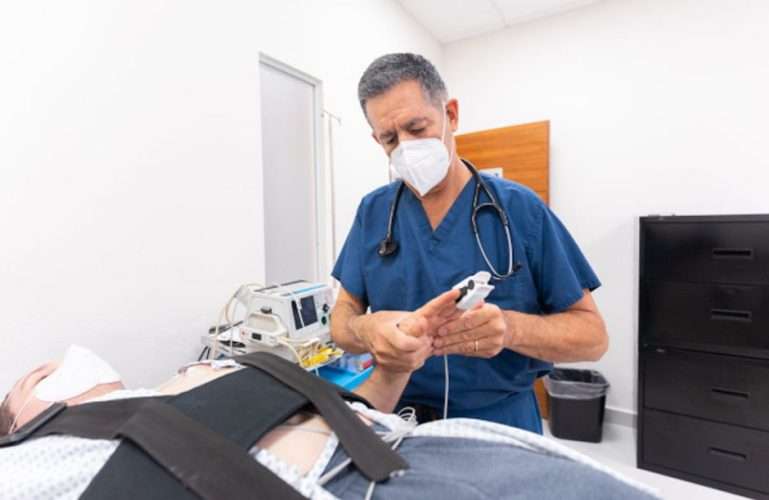
Reasons Employers Require Physical Exams For New Hires
Overall, having prospective employees receive physicals can help businesses save money and prevent legal complications on top of ensuring they hire the right person. Below are six reasons why you, as a new hire, may be required to conduct a pre-employment physical exam.
Minimizes Risk of Workplace Injury
When employees complete physical exams before starting their new jobs, it helps reduce the chance of on-site injuries in the workplace. How? Employers get to employ people who are in the best physical condition, who are less likely to be injured as they carry on their everyday duties.
A person who is not in the proper physical form for the position may end up hurting themselves, especially if they engage in physically demanding tasks. These may include heavy lifting, staying on your feet all day, or jobs in construction, warehouse operations, or manufacturing.
Ensuring Only the Right People are Hired for the Right Jobs
If the jobs available, for example, require strenuous activity such as heavy lifting, persistent movement, or operating heavy machinery, the employer must ensure that the people hired match the requirements of the job in terms of physical health.
So, as a job seeker applying for such a job, the employer will require you to complete a physical before they can give you an employment offer. The physical will let the employer know whether you meet the fitness requirements for the position.
For example, if you have asthma or emphysema, you may not be able to perform the duties of a construction worker. Moreover, the physical may be combined with a drug screening to also inform the employer that they’re only hiring people who do not abuse drugs.
Employers can Cut Down on Healthcare Costs
When businesses hire only workers who are physically fit for the job and less likely to suffer workplace injuries, they can avoid extra healthcare costs and injury compensation.
Every organization will welcome a strategy that gives it more money at the end of each quarter, which is what pre-employment physicals for work do. The physicals lead to minimal on-site injuries, which in turn reduce treatment costs and potential lawsuits.
To Foster a Culture of Health and Wellness
Many employers regard physical exams for work as a way to promote a lifestyle of health and well-being within their company.
By wanting all new hires and employees to go for a physical examination, employees can inspire everyone to actively improve their overall fitness. This, in turn, can constitute a team of workers with great fitness and superior efficiency.
Compliance with Industry Regulations
Specific industries—such as transportation, healthcare, public safety, and construction—are legally required to follow strict safety and health standards. Pre-employment physicals help employers ensure compliance with these regulatory requirements.
By conducting physicals, companies can verify that workers meet mandatory fitness and health criteria set by government agencies like OSHA or the Department of Transportation (DOT), helping avoid penalties or regulatory violations.
Early Identification of Chronic Conditions
A physical exam can reveal early signs of chronic conditions such as hypertension, diabetes, or heart disease. Early detection allows employers to make informed decisions about potential accommodations or wellness plans, and employees benefit by becoming aware of conditions they might not have otherwise detected.
This proactive approach supports a healthier workforce and reduces the likelihood of long-term absences or medical emergencies on the job.
Final Thoughts
Pre-employment physical exams are more than just formalities—they’re essential tools for ensuring workplace safety, reducing costs, complying with regulations, and fostering a culture of wellness. These exams provide a clear picture of a candidate’s physical and mental readiness for a specific role, helping employers make informed hiring decisions while also protecting the well-being of their workforce.
By understanding and embracing these exams, both employers and new hires can contribute to a healthier, safer, and more efficient work environment—one where employees are physically prepared, risks are minimized, and overall productivity is enhanced.