
When To Call A Plumber For A Toilet Issue
Some problems you can ignore for a while—creaky doors, a dripping tap, that one light switch nobody ever uses. But when it comes to your toilet, tolerance runs thin pretty quickly. Whether it’s a stubborn blockage, a leak where there shouldn’t be one, or that mysterious sound it keeps making at 3 a.m., toilet issues can go from mildly irritating to full-blown household crisis in no time.
And yet, many people wait too long before calling in professional help. Maybe it’s the hope it will “sort itself out.” Maybe it’s a reluctance to deal with the hassle or the cost. But toilets are non-negotiable infrastructure, and in most cases, hesitation only leads to bigger problems—some of them a little too unpleasant to describe.
So, how do you know when to DIY and when it’s time to get a plumber involved?
When A Plunger Isn’t Cutting It
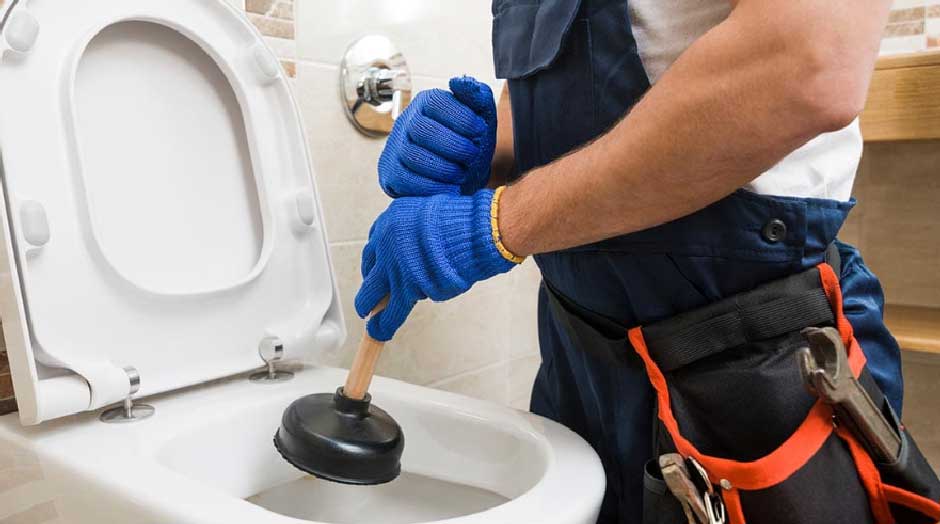
Let’s be honest: most of us try to fix toilet problems ourselves at first. And often, that’s enough. A bit of plunging, maybe some hot water and washing-up liquid, and the issue clears. But if you’re standing there ten minutes later, arms aching and still no movement, it might be time to accept defeat.
Persistent or recurring blockages often mean there’s something deeper at play—either a clog further down the system or a structural issue with the pipework. You could try pouring in harsher chemical unblockers, but those come with risks: damage to older pipes, health hazards from fumes, and even worsening the blockage by pushing it further into the system.
In these cases, calling a reliable toilet unblocking service in Essex isn’t just about convenience—it’s about getting a proper diagnosis. Professionals have tools like drain cameras and high-pressure jetters, which can locate and remove clogs you’d never reach on your own. More importantly, they know when a blockage is just a blockage… and when it’s the sign of something more serious.
Strange Sounds And Constant Running
Your toilet should be seen and not heard—at least most of the time. If you notice it making noises long after it’s been flushed, or if the tank never seems to stop filling, you’re dealing with more than just a quirky flush.
Constant running is usually due to a faulty flapper valve or a fill valve issue, and while those parts are cheap, replacing them can be tricky if you’re unfamiliar with the mechanism. Worse still, if left unchecked, a running toilet can waste hundreds of litres of water a day. That’s money literally going down the drain.
Gurgling noises, especially from other drains when the toilet is flushed, are a bigger red flag. They may indicate a venting issue or a partial drain blockage that’s interfering with airflow. In both cases, professional assessment is the smart move. Ignoring the noise might be easy now, but a backed-up toilet at midnight is a far less charming problem.
Visible Leaks Or Water Damage
A leaking toilet can be deceptive. Sometimes you’ll notice a puddle near the base. Other times, it’s a damp patch on the ceiling below or the faint smell of mildew that tips you off. Either way, water leaks from toilets rarely fix themselves, and they almost always get worse.
Common culprits include cracked seals, worn wax rings, or faulty shut-off valves. In older homes, pipes may have shifted slightly or deteriorated, breaking the connection just enough to allow a slow leak that causes long-term damage.
Trying to “wait it out” here is risky. Water damage can escalate quickly—warping floors, rotting substructures, even encouraging mould. A plumber can identify the source of the leak, stop it at the root, and make sure the fix won’t unravel a month down the line.
Weak Flush Or Low Water Pressure
If your toilet seems weak when flushed, or you need multiple attempts to clear the bowl, it could point to several different issues. Sometimes, it’s as simple as a misaligned flapper or sediment in the tank. Other times, it may indicate low water pressure, an obstruction in the trap, or problems in the main sewer line.
Homeowners in older properties are more likely to experience this, especially if pipework hasn’t been upgraded. A plumber can isolate the problem, adjust the water supply if needed, and recommend whether repair or replacement is the better long-term option.
Trying to solve this by pouring more water into the bowl or holding down the handle isn’t fixing anything—it’s just working around it.
When DIY Turns Into “What Did I Just Do?”
We’ve all been there. You start with the best of intentions: watch a video, grab some tools, take off the cistern lid… and then realise you’re way out of your depth. Toilets are surprisingly delicate systems, and it’s easy to damage seals, overtighten connections, or misalign something essential without realising.
Once water’s involved, mistakes get expensive fast. Calling in a plumber at that stage might feel like admitting defeat, but in reality, it’s often the smartest (and most economical) way to put things right.
Final Thoughts
Toilet issues don’t always begin dramatically. They often creep in quietly, escalating while we try to ignore them or fix them ourselves. But the line between “manageable” and “serious” can move quickly—and once crossed, things get messier and more expensive.
The good news? A qualified plumber can usually sort out most toilet problems quickly, cleanly, and with far less disruption than you might expect. Whether it’s a stubborn blockage or a mystery leak, knowing when to pick up the phone isn’t weakness—it’s wisdom. Especially when what’s on the line is your comfort, your plumbing, and your peace of mind.