
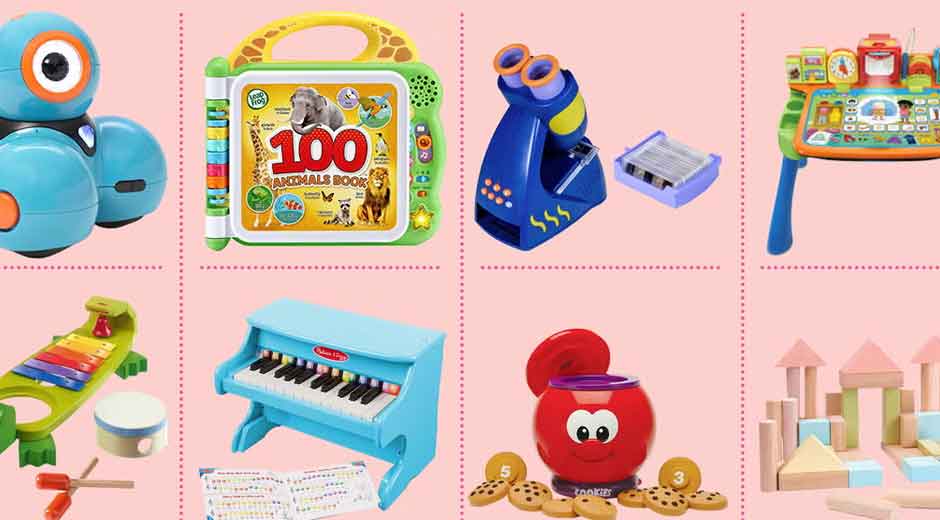
Top 10 Thoughtful and Educational Gifts for Toddlers
Finding the perfect gift for a toddler requires balancing fun with learning opportunities. The best presents for children aged 1-3 years old combine entertainment with developmental benefits, helping little ones grow while they play. These carefully selected gift ideas support cognitive, physical, and emotional development during this crucial stage of childhood.
Building Blocks and Construction Sets
Building blocks remain one of the most valuable educational toys for toddlers. These simple yet powerful tools develop spatial reasoning, fine motor skills, and creativity. Large wooden blocks or soft foam alternatives work best for younger toddlers, while magnetic tiles can engage older children in this age group.
Construction activities teach cause-and-effect relationships while encouraging problem-solving skills. Toddlers learn balance, symmetry, and basic engineering concepts through hands-on exploration.
Interactive Musical Instruments
Musical instruments designed for small hands introduce rhythm, melody, and sound recognition. Simple keyboards, drums, or xylophones help develop auditory processing skills and hand-eye coordination.
Music education benefits language development and memory formation. Regular musical play enhances pattern recognition abilities that later support mathematical learning and reading comprehension.
Art and Creativity Supplies
Age-appropriate art materials unlock creative expression while building fine motor control. Chunky crayons, washable markers, and large sheets of paper provide endless entertainment.
Finger paints, play dough, and modeling clay offer sensory experiences that support tactile learning. These materials help toddlers understand textures, colors, and shapes through direct manipulation and exploration.
Shape Sorters and Puzzles
Shape-sorting toys teach geometry concepts while developing problem-solving abilities. Simple puzzles with large pieces challenge toddlers to match shapes, colors, and patterns.
These activities strengthen cognitive skills and spatial awareness. The satisfaction of completing puzzles builds confidence and encourages persistence when facing challenges.
Books and Interactive Reading Materials
Board books with colorful illustrations capture toddler attention while building vocabulary. Interactive books with flaps, textures, or sounds engage multiple senses during story time.
Reading together creates positive associations with books and learning. Exposure to varied vocabulary through stories supports language development and communication skills.
Sensory Play Equipment
Sand and water tables provide rich sensory experiences that promote exploration and discovery. These activities help toddlers understand concepts like volume, texture, and cause and effect.
Sensory bins filled with rice, beans, or pasta offer similar benefits in smaller spaces. These materials support tactile development and can include hidden objects for discovery games.
Balance Bikes and Ride-On Toys
Balance bikes help toddlers develop gross motor skills and confidence in movement. These toys teach balance and coordination without the complexity of pedaling.
Ride-on toys encourage active play while building leg strength and spatial awareness. Indoor and outdoor options provide movement opportunities regardless of weather conditions.
Pretend Play Sets
Kitchen sets, tool benches, or dress-up clothes encourage imaginative play and role-playing activities. These toys help toddlers process real-world experiences through safe pretend scenarios.
Dramatic play supports emotional development and social skills. Simple accessories like play food or costumes can transform ordinary play into rich learning experiences. Even basic items like girls’ jewelry made for pretend play can spark hours of creative storytelling.
Stacking and Nesting Toys
Rings, cups, or blocks that stack or nest teach size relationships and sequencing. These simple toys provide surprisingly complex learning opportunities through repetitive play.
Stacking activities develop hand-eye coordination and understanding of spatial relationships. The trial-and-error nature of these toys builds persistence and problem-solving skills.
Learning Tablets and Interactive Toys
Age-appropriate electronic toys can supplement traditional learning materials when chosen carefully. Look for options that encourage interaction rather than passive consumption.
Educational apps designed for toddlers can support letter recognition, counting, and basic vocabulary building. Balance screen time with hands-on activities for optimal development.
Making Smart Gift Choices
The most valuable toddler gifts grow with the child and offer multiple ways to play. Consider the individual child’s interests, developmental stage, and safety requirements when selecting presents.
Quality educational toys provide years of learning opportunities and can often be passed down to siblings or friends. Investing in thoughtful gifts supports healthy development during these formative years.