
Precision Meets Power: The Fabrication Methods Behind Stronger Builds
In the world of modern construction and industrial projects, realizing a safe, durable, and efficient structure depends largely on the quality of its steel fabrication. Fabrication isn’t just about cutting metal. It’s a process combining design, engineering, skilled labor, and advanced technology. When done right, it produces structural components that deliver strength, longevity, and adaptability.
The Foundations: Planning, Design & Material Selection
Every successful steel project begins well before a single beam is cut. In the earliest stage, engineers and fabricators collaborate with architects to create detailed shop drawings. These drawings often use advanced software such as CAD (Computer-Aided Design) or BIM (Building Information Modeling) to ensure accuracy down to fractions of an inch, and to visualize how steel components integrate with other building systems.
Material selection is equally critical. Fabricators choose appropriate steel based on the demands of the project, including load-bearing capacity, environmental resistance, and safety requirements.
From Raw Steel to Ready Components: Cutting, Shaping, and Forming
Once materials and plans are finalized, the fabrication begins in earnest. The first major step is cutting, raw steel beams, plates, or sections are cut down to the precise dimensions specified in the shop drawings. Modern fabrication shops often use high-precision tools such as laser cutters, plasma torches, waterjets, or computer-controlled saws. These tools ensure clean, accurate cuts with minimal waste and thermal distortion.
With pieces cut, the next step often involves bending or forming. Not all steel components are straight beams, many projects require curved sections, angled supports, or custom geometries. Fabrication shops use press brakes, roll-forming machines, or profile rollers to shape steel into the required form while preserving its structural integrity.
Welding, Assembling & Finishing: Bringing It All Together
Precision and power truly converge in the welding and assembly phases. Skilled welders join the steel pieces using techniques selected for the project’s demands: for heavy structural frames, standard welding processes like MIG, TIG, or stick welding may be used, while complex or custom joints may require more specialized welding techniques.
After welding and assembly, components may undergo finishing treatments, such as sandblasting, painting, powder-coating, or galvanizing, to improve resistance to corrosion, weather, and wear, especially for structural steel exposed to the elements.
Some fabricators even perform pre-assembly in their shops before shipping components to the construction site. This helps ensure everything aligns precisely, reducing onsite labor and minimizing errors or costly rework.
Why Precision and Power Matters
When fabrication is handled with proper planning, precise execution, and robust finishing, the resulting steel structure offers several key advantages:
- Strength and Load-Bearing Capacity: Properly fabricated steel components handle heavy loads, dynamic stresses, and large spans.
- Structural Integrity and Reliability: Precise cuts, accurate welds, and correct assembly ensure structural stability and reduce the risk of deformation, misalignment, or structural failure over time.
- Design Flexibility and Customization: Because steel can be cut, bent, and shaped with high precision, fabricators can produce complex geometries and customized designs.
- Efficiency and Cost-effectiveness: Prefabrication in controlled shops speeds up on-site assembly, reduces waste, lowers labor costs, and accelerates project timelines.
- Durability and Long-Term Performance: With proper finishing and quality welding, steel structures resist corrosion, fire, pests, rot.
The Intersection of Craftsmanship and Technology
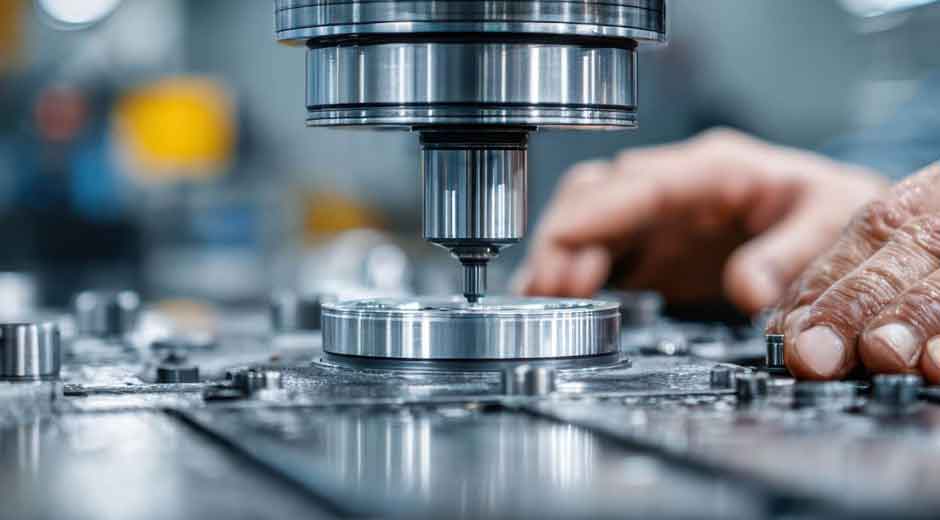
What makes modern fabrication especially powerful is the synergy between human skill and advanced technology. While CNC machines, laser cutters, and automated tools offer precision and speed, it is skilled fabricators and welders who interpret engineering plans, manage tolerances, and ensure structural integrity. This combination of craftsmanship and technology makes the difference between a basic steel structure and a “stronger build”.
In the end, strong and durable builds depend on this blend: design and engineering, precision fabrication, skilled assembly, and thoughtful finishing. When precision meets power, steel structures endure.