
No-Drill Roller Shades for Renters: What Works Without Damaging Window Frames?
Renting can turn a simple window update into a question of risk. You may need privacy from a sidewalk, less glare during work calls, or a darker bedroom, but drilling into trim or a window frame may violate your lease or create repairs at move-out. No-drill roller shades address that problem with tension-based or other removable mounting systems instead of permanent screw holes.
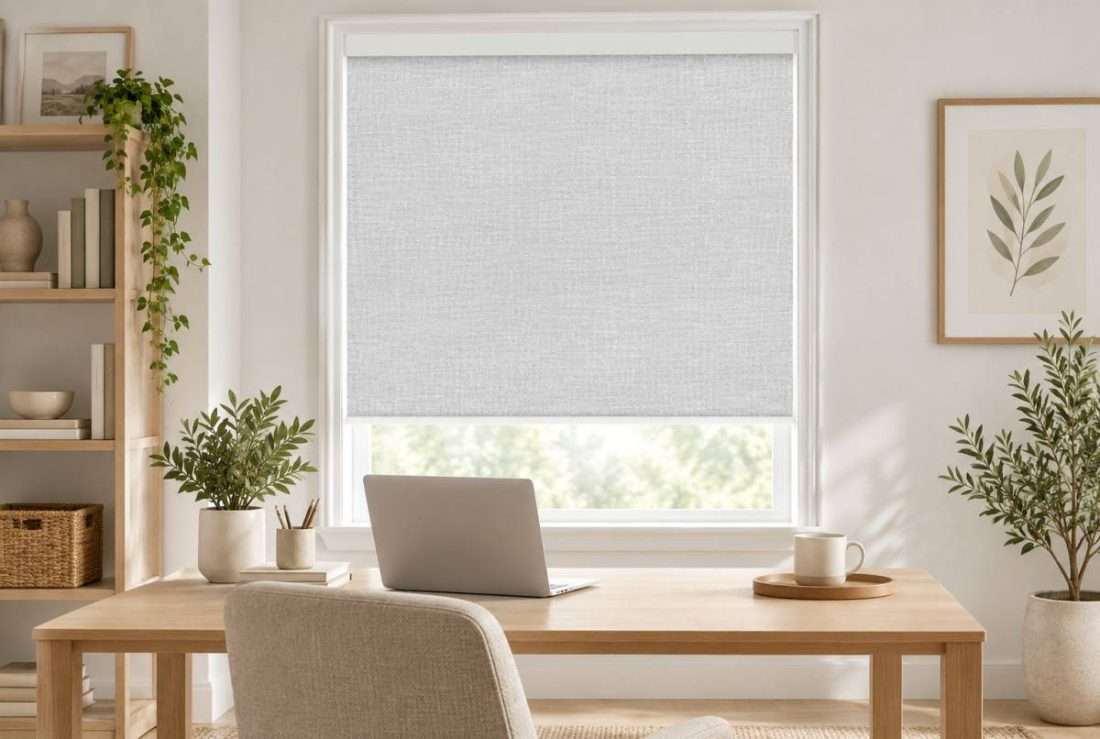
For renters who want a finished look rather than temporary paper shades, fabric roller shades can be a practical upgrade. Their clean profile works in bedrooms, living rooms, and home offices, while made-to-measure sizing can make the treatment feel like part of the room instead of a short-term fix.
Start With the Window Frame, Not the Fabric
A no-drill shade is only as reliable as the surface holding it. Tension-fit systems work best when the inside edges of the window recess are firm, reasonably straight, and deep enough for the headrail or mounting mechanism. If the frame bows, has decorative molding, or offers very little depth, the shade may not sit securely.
Measure the inside width at the top, middle, and bottom. Check depth separately, and note handles, locks, screens, or other hardware that could interfere. Renters should also read the lease before installation. “No drill” reduces the chance of permanent holes, but it does not override building rules or product-specific requirements.
Choose the Mounting Method for the Room
Tension mounting is often a strong renter-friendly choice because it relies on pressure rather than adhesive. That makes it useful in bedrooms, living rooms, and offices where the shade will be raised and lowered every day. It also makes removal relatively simple when it is time to move.
Adhesive systems can work for lighter shades on smooth, clean surfaces, but they deserve more caution. Heat, humidity, aging paint, and textured finishes can affect how well adhesive holds or releases. A steamy bathroom or sun-baked kitchen window is not the place to assume every peel-and-stick bracket will behave the same way. Clip-on or magnetic systems can be convenient too, but they depend heavily on the shape and material of the frame.
Match Light Control to Daily Routines
A renter working from home may care more about screen glare than total darkness. A light-filtering roller shade can soften direct sun while keeping the room comfortable during the day. Street-facing living rooms need another balance: privacy matters, but shutting out all daylight can make a small apartment feel closed in.
Bedrooms and media rooms usually call for stronger room darkening. If the window is hard to reach, blocked by furniture, or adjusted several times a day, motorized blinds add convenience. Remote, app, schedule, or voice control can reduce the need to handle the shade directly, which is useful for tall windows or multiple shades that should move together.
Cordless Operation Fits Busy Rental Homes
A renter-friendly shade should be easy to live with, not just easy to install. Cordless and motorized operation keeps the window area cleaner and removes dangling operating cords from everyday traffic. That matters in compact apartments where desks, beds, or children’s furniture may sit close to the glass.
The U.S. Consumer Product Safety Commission recommends cordless window coverings when young children are present because operating cords can create a strangulation hazard. For households with kids or visiting grandchildren, cordless operation is a practical feature to prioritize alongside privacy and light control. It also gives roller shades a streamlined appearance that helps a removable installation feel more permanent.
Plan for Move-Out Before Installation Day
The best no-drill setup is one you can remove without turning move-out week into a repair project. Keep the installation instructions and any release tools or spare parts that come with the shade. With tension systems, confirm how to release pressure before pulling on the headrail. With adhesive systems, follow the manufacturer’s removal directions rather than prying the bracket away from painted trim.
Renters who move frequently should also think about reuse. A custom shade may not fit the next apartment perfectly, but a removable system is still easier to take down, store, or repurpose than a permanently mounted treatment. That flexibility is part of the value: better privacy, light control, and a more polished room now, without unnecessary damage later.