
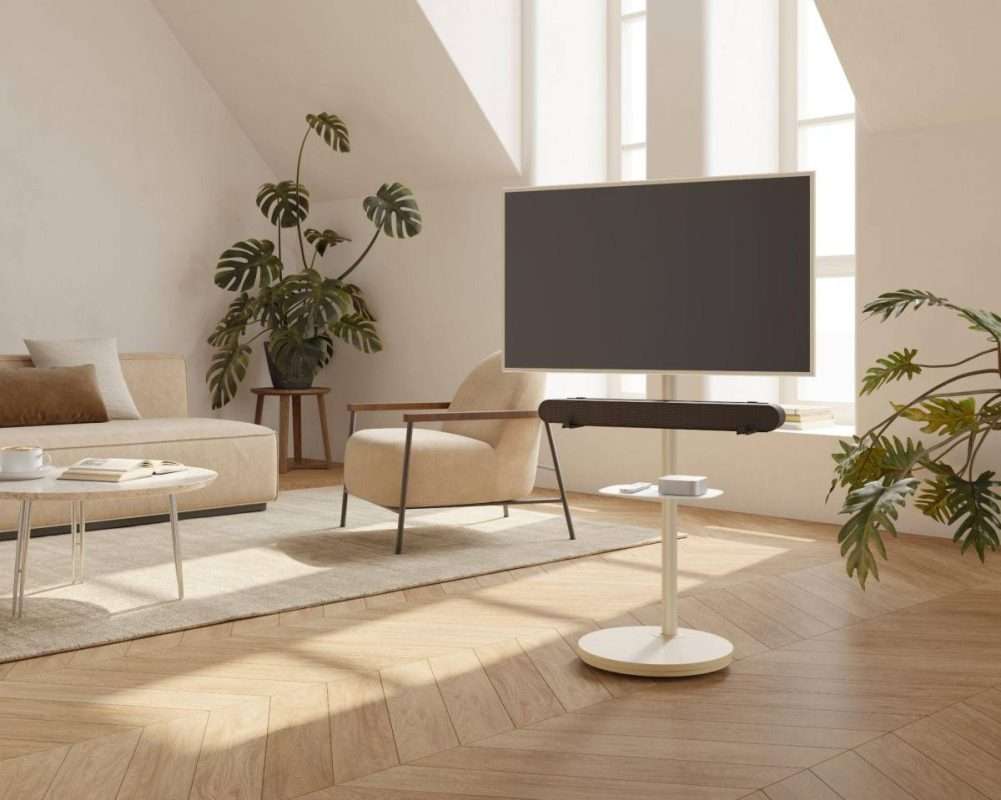
How TV Stands Really Work: Function, Style, and Value in Everyday Life
When people think about upgrading their living room, they usually start with the sofa or the TV itself. But in everyday life, the piece that quietly decides whether the space feels comfortable and organized is often the most overlooked one: the TV stand. It is not just a shelf for your screen. It is the visual center, storage hub, and cable manager of your living space. If you are planning to renovate, buy a new TV, or simply want your living room to look cleaner and more intentional, understanding how TV stands really work will save you time, money, and energy.
How a TV Stand Works in Your Daily Life?
From a practical point of view, a good TV stand is doing at least three jobs at the same time:
- Support and safety
It gives your TV, speakers, game consoles, and other devices a stable base. A well‑designed TV stand keeps the screen away from sharp edges, reduces the risk of tipping, and protects ports and cables from being pulled or bent. - Storage and organization
It acts as a central home for everything related to entertainment: set‑top boxes, routers, game controllers, remotes, headphones, chargers, and even books or décor. Instead of letting these items drift all over the room, a TV stand concentrates them into one tidy zone. - Viewing comfort and room flow
The height, width, and depth of the stand all influence how comfortable it is to watch TV and how easy it is to move around your living room. The right stand keeps the screen at a relaxed eye level while leaving enough walking space in front and around it.
In other words, a TV stand quietly shapes both your body posture and your visual experience, every single day.
Three Simple Rules to Choose the Right TV Stand
Rule 1 – Start from Eye Level, Not from the Catalog
Most people start with style and “trendy heights”, but the first thing you should look at is actually your own seating:
- Sit on your sofa in the position you use most.
- Look straight ahead and imagine the center of your TV screen.
- Ideally, the center of the screen should be at, or slightly below, your eye line.
From this, you can roughly work backwards to find a suitable TV stand height, instead of blindly copying random size recommendations. That way, you are not just choosing a “nice‑looking height”, but the height your neck will thank you for.
Rule 2 – Let the TV Decide the Width, Let the Room Decide the Depth
- As a rule of thumb, choose a TV stand that is wider than your TV. This gives a sense of stability and avoids the “big head on a small body” look.
- Depth should be enough for the TV base and devices, but not so deep that it eats into your walking path. In smaller spaces, an overly deep cabinet can make the room feel cramped very quickly.
Before buying, quickly measure three things: the usable wall width, the distance from sofa to TV wall, and the main walking route. Compare these numbers with the product dimensions and you will already be ahead of most shoppers.
Rule 3 – Design for Future Devices, Not Just Today
Right now you might only have a TV and one box, but a year from now you could add a soundbar, game console, smart speaker, or VR gear. When you choose a TV stand, think in advance:
- Are there multiple open shelves for extra devices later on?
- Does the back panel have enough cable holes for power, HDMI, and network cables to be grouped and routed cleanly?
- Is there space to hide a power strip so the “cable corner” is under control from day one?
Then you are not buying a stand that is “just enough for today”, but a system that grows with your setup.
Style and Lifestyle – Matching the TV Stand to the Way You Live
Different Lifestyles, Different Priorities
Instead of only looking at style labels, start by asking: “Who is my TV stand really serving?”
- For gamers
You need good ventilation for consoles, easy access to ports, and enough open shelves for controllers and headsets. A stand with generous open compartments and airflow will be much more useful than a fully closed cabinet. - For movie lovers
Soundbars, surround speakers, and streaming devices need both space and cable channels. A low, long TV stand that visually anchors the wall and reserves a clear spot for the soundbar can dramatically improve both look and sound. - For small apartments or renters
A compact stand that can also act as a mini desk or extra storage is incredibly valuable. Designs that are easy to assemble, move, and install without damaging walls will make every move less stressful. - For families with kids or pets
Stability and softer edges matter. A sturdy base, anti‑tip options, and closed storage to hide small items can reduce accidents and prevent curious hands (or paws) from pulling cables.
Once you think in terms of lifestyle, your TV stand stops being an abstract piece of furniture and becomes an extension of how you actually live.
Beyond Furniture – The Hidden Value of a TV Stand
A well‑chosen TV stand brings more value than “just another cabinet under the TV”:
- Visual calm
When cables, power strips, remotes, and small items are stored inside drawers and compartments, your field of view becomes calmer. With less visual noise, it is easier to relax, unwind, or focus on a movie or game. - A stable center for your daily routine
Knowing “all remotes are in the left drawer” and “all gaming stuff is on the right shelf” removes tiny daily frictions. These small moments of order add up to a home that feels more under control and less chaotic. - Long‑term flexibility
When you upgrade your TV or add new devices, a solid, well‑planned TV stand can keep going instead of forcing you to redesign the whole wall. That is where its real long‑term value and cost‑effectiveness show.
Why the Brand Behind Your TV Stand Matters?
Once you start taking TV stands seriously, the differences between brands become obvious: design logic, structural materials, durability, and the user experience during assembly all matter.
A brand like FITUEYES does not just create a random rectangular cabinet. It designs around real‑world scenarios: better airflow and access for gamers, more flexible layouts for small spaces, and extra stability and safety features for families. Choosing a brand that truly understands how a TV stand fits into modern living is essentially borrowing their experience so you make fewer mistakes and enjoy a smoother setup.
A Quick Self‑Check Before You Buy
Before you finally press “buy now”, run through these three quick questions:
- Will this TV stand keep my viewing height comfortable, instead of just following a trend?
- Does it offer enough space and cable management for both my current and future devices and accessories?
- Will it actually lift the overall look of my living room, instead of just occupying floor space?
If you can confidently say “yes” three times, then this TV stand is likely more than just another piece of furniture. It is about to become a long‑term partner in your everyday life—something you will look at, and rely on, day after day.
To wrap up, how would you describe your current living room setup in one sentence—more “organized and calm” or more “busy and messy”?